Most people arrive in Lisbon expecting romance.
The yellow trams. The tiled buildings. The sunset viewpoints crowded with tourists holding glasses of wine they’ll forget by next week.
But Lisbon is not a city that reveals itself beautifully at first. It reveals itself honestly — the kind of experience we often explore at Wander Bites, where food becomes the clearest way to understand a place.
You notice it in the salt that lingers in the air from the Tagus River. In the steep hills that leave your legs aching by noon. In the old cafés where waiters still move with the unhurried confidence of people who have seen trends come and go.
And strangely, you understand the city best through two things: custard tarts and seafood.
The Tart Everyone Photographs
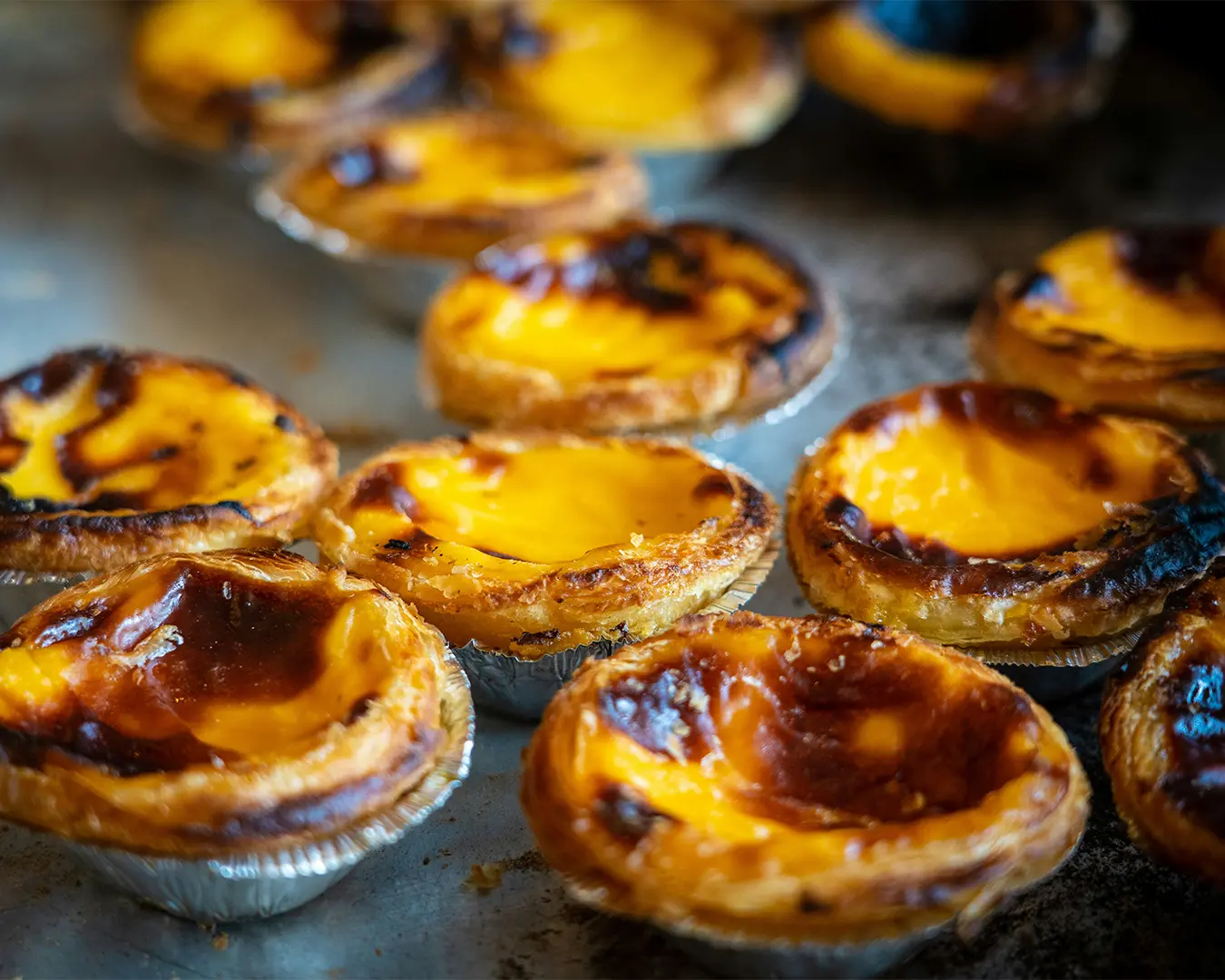
By my second morning in Lisbon, I had already eaten three pastéis de nata.
The first came from a busy bakery near Baixa where tourists lined up before opening hours, phones already out before the pastry even touched the table. The tart was warm, the custard lightly blistered on top, the crust impossibly crisp. Sweet, but not aggressively so.
It would have been easy to dismiss it as another overhyped food attraction.
Except Lisbon keeps repeating itself through food in subtle ways.
The pastel de nata is everywhere because it belongs everywhere. Gas stations sell them. Grandmothers serve them after lunch. Office workers eat them standing at counters with tiny espressos. The pastry itself dates back centuries, originally created by Catholic monks in Belém who used leftover egg yolks from convent kitchens. What survived wasn’t just a recipe, but a ritual.
That’s the thing about Lisbon: tradition here feels lived-in, not performed.
The city doesn’t preserve food for tourists. It preserves food because people still genuinely want it.
A City Built Around the Sea
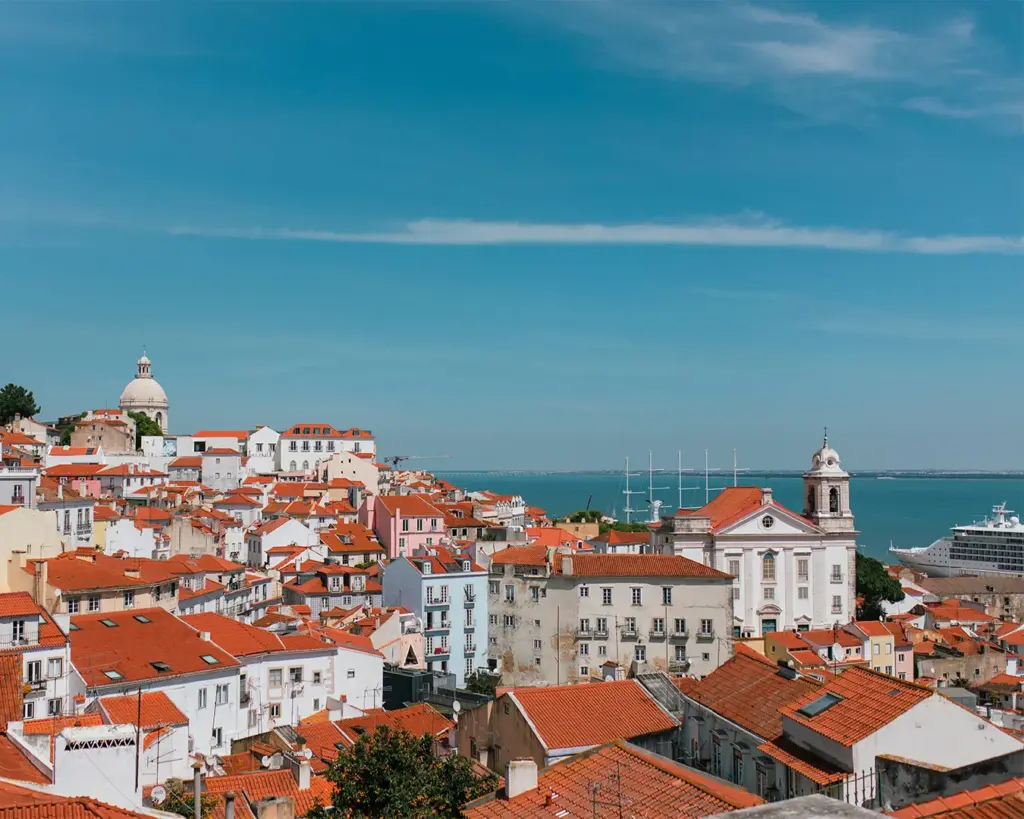
Later that afternoon, I sat at a small seafood restaurant in Alfama where the menu was handwritten and slightly stained from use.
The waiter recommended grilled sardines without enthusiasm, which somehow made me trust him more.
When the plate arrived, it smelled of charcoal, lemon, olive oil, and the Atlantic itself. Nothing complicated. Nothing decorated for Instagram. Just fresh fish grilled properly with coarse sea salt and potatoes on the side.
Portuguese food surprised me because of its restraint.
In many cities, restaurants try to impress you. Lisbon rarely does. Instead, it relies on ingredient quality and repetition perfected over generations. Bacalhau appears in endless forms. Octopus is treated with near religious respect. Olive oil is used generously but carefully.
The food reflects the personality of the city itself — weathered, practical, deeply tied to history.
Portugal spent centuries looking outward toward the sea, building trade routes and maritime empires that shaped its cuisine. Cinnamon, piri-piri, and spices arrived through exploration and colonization. But unlike other European capitals, Lisbon never polished away its rough edges afterward.
You still feel the working-city underneath the beauty.
What Lisbon Actually Leaves Behind
By the time I left, I realized I remembered very little about the monuments.
What stayed with me instead were smaller things.
The sound of ceramic plates in crowded bakeries. The sharp smell of grilled fish drifting through alleyways at night. Elderly locals lingering over coffee long after finishing it. The way no meal ever felt rushed.
Lisbon doesn’t ask to impress you constantly.
It simply feeds you well, over and over, until eventually you trust it.