We stepped out of Yoyogi-Uehara Station just before the lunch rush, looking for a basement door near the entrance to the building. Navigating Tokyo’s winding streets usually brings a sense of chaotic discovery, but our visit to Japanese Soba Noodles Tsuta was highly intentional. We had booked our seats online weeks in advance, eager to see how the world’s first Michelin star ramen restaurant had evolved in its sleek Nishihara location. We arrived five minutes before opening, trading the crisp outdoor air for the deep, savory aroma of simmering soy and chicken oil.
A Tasting Room for Ramen at the Michelin Star Ramen Shop
Descending into the B1 level of this renowned ramen shop, we immediately noticed the shift in atmosphere. This is not your typical rapid-fire Tokyo ramen counter filled with clouds of steam and shouting chefs. The space feels stylish, calm, and incredibly polished, perfectly reflecting Chef Yuki Onishi’s vision to create a refined ramen experience that redefines the classic ramen experience.
With only 23 seats, 11 at the counter and 12 at tables—the dining room operates with the hushed reverence of a modern tasting room. We were guided to the counter, which we highly recommend for solo diners or pairs. Sitting there allowed us to watch Chef Onishi and his team work with quiet, deliberate precision. The lighting is focused, casting a warm glow over the bowls being meticulously assembled in front of us.
The Shoyu Ramen Broth, Noodles, and Black Truffle Sauce
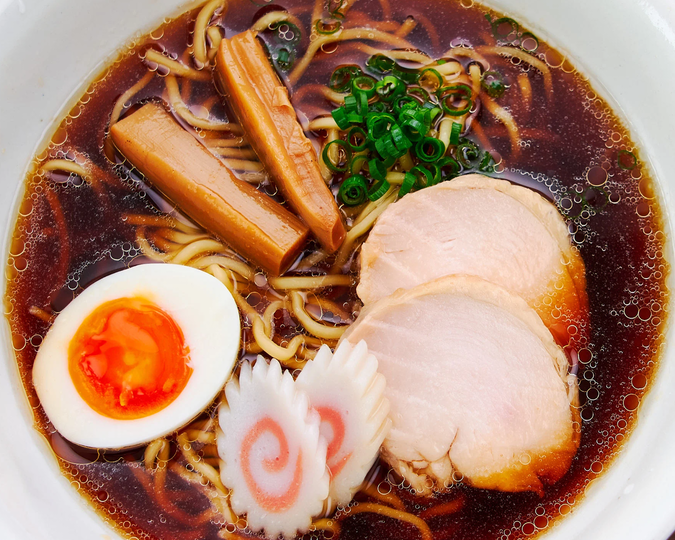
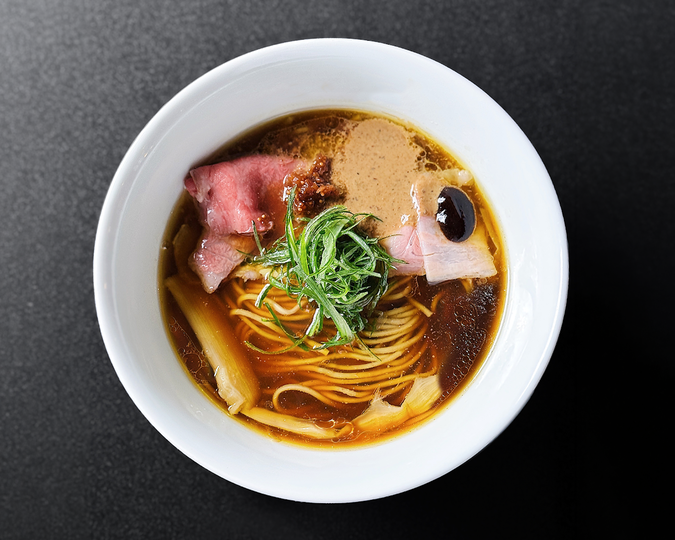
We started with the signature shoyu ramen, priced at ¥2,000. It is a stunningly composed dish. The broth draws its depth from a blend of natural ingredients including organic dark soy sauce, Amakusa Daio chicken, Kagoshima black pork, and subtle seafood notes from clams and kombu. Rather than hitting you with a heavy wave of fat, the umami is delicate and layered, embodying the truly original flavours Chef Onishi aims to create.
The noodles themselves surprised us. They are thin, slightly translucent, and silky. They carry a soft, springy texture that intentionally steps away from the firm, alkaline bite many ramen lovers expect. It pairs beautifully with the gentle balsamic and black truffle sauce notes hovering at the edge of the broth.
A perfectly soft-boiled egg, added as a topping, complemented the bowl with its creamy texture and mellow flavor, balancing the broth’s complexity.
We also ordered the A5 Black Wagyu Sukiyaki TKG for ¥900. It is a luxurious side bowl of rice topped with incredibly tender wagyu and a rich black truffle sabayon. It felt wonderfully indulgent and rounded out the meal perfectly.
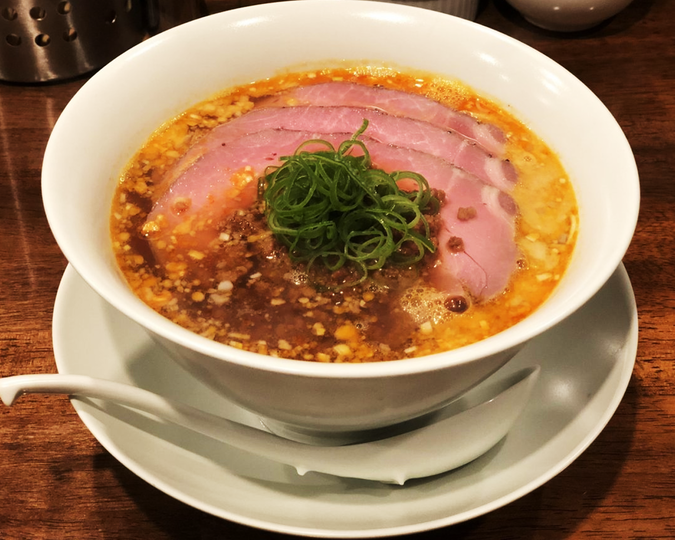
However, we did find ourselves questioning the value of the ¥4,000 Special Truffle Wonton Soy Sauce Soba. While undeniably delicious and packed with premium toppings, the price point pushes it into a territory where expectations become nearly impossible to meet. For most diners, the standard ¥2,000 bowl captures the absolute essence of the kitchen’s talent without the premium markup.
Shio Ramen and Other Menu Highlights
Though we focused on the shoyu version, the menu also features a delicate shio ramen, which offers a lighter broth emphasizing seafood and chicken flavors with a gentle sweetness. This dish highlights Chef Yuki Onishi’s dedication to natural ingredients and avoiding shortcuts like MSG to create a balanced and nuanced palate.
Structured Service and Seamless Flow at the Michelin Star Restaurant
The service at Japanese Soba Noodles Tsuta reflects its elevated environment. The staff spoke excellent English and guided us through the cashless-only payment system with ease. There are clear rules here, including a strict one-bowl-per-person policy and polite requests regarding photography to maintain the quiet ambiance.
Despite these structures, the meal never felt rigid. The pacing of the dishes was excellent. Our rice bowl arrived just as we settled in, followed closely by the steaming bowls of ramen. We never felt rushed to surrender our seats, though the quiet environment naturally encourages you to focus on the food rather than lingering in deep conversation.
We also noticed a number of diners quietly sharing their appreciation for the subtle flavors, a reason that makes Tsuta stand out from other ramen shops. The respectful atmosphere is further enhanced by guests refraining from smoking near the entrance, preserving the serene dining experience.
Planning Your Visit to the Michelin Star Ramen Shop in Tokyo
If you want to experience this level of refinement, you need to abandon the idea of a spontaneous ramen run. The old ticketing system is gone. Instead, you must secure reservations via TableCheck or OMAKASE, with slots opening every Tuesday at 11:00 AM. The restaurant is located in a quiet neighborhood in Tokyo and seating is limited, so booking ahead is essential.
Expect to spend between ¥2,000 and ¥4,000 per person, depending on how far you venture into the premium toppings and dishes. Since they do not accept cash, make sure your credit card or transport IC card is loaded and ready.
If you’re planning a broader ramen crawl beyond Tsuta, Wander Bites has mapped out a Tokyo ramen tour featuring shops that define regional styles.
Our Final Overview on Japanese Soba Noodles Tsuta
Japanese Soba Noodles Tsuta is not the place for a late-night, post-drinks slurp, nor will it satisfy a craving for a heavy, garlic-laden tonkotsu broth. It works best for a quiet lunch date, a solo culinary pilgrimage, or anyone who wants to see ramen treated as a deeply composed, ingredient-driven dish.
We would absolutely return, but next time, we will skip the ultra-premium bowls. We will simply order the classic shoyu ramen, sit quietly at the counter, and appreciate the quiet mastery of a truly refined bowl of soup crafted by Chef Onishi. Unlike many ramen shops, Tsuta ramen offers a delicate balance of texture, flavor, and original flavours that honor Japan’s culinary tradition while subtly incorporating fusion elements.
We hope this review encourages you to check this Michelin star restaurant for yourself and enjoy the effort and artistry that goes into every bowl. It’s a kind of ramen experience that honestly redefines what ramen can be. We left with a gentle sense of satisfaction and a bit of anticipation for our next visit, perhaps on a quiet Sunday when the line is shorter and the atmosphere even more serene.