I still remember standing outside a tiny ramen shop in Tokyo, staring blankly at a glowing ticket machine covered entirely in Japanese characters. A line of hungry office workers was forming behind me. Panic set in. I ended up pressing the largest button on the top left, handing my little paper ticket to the chef, and hoping for the best.
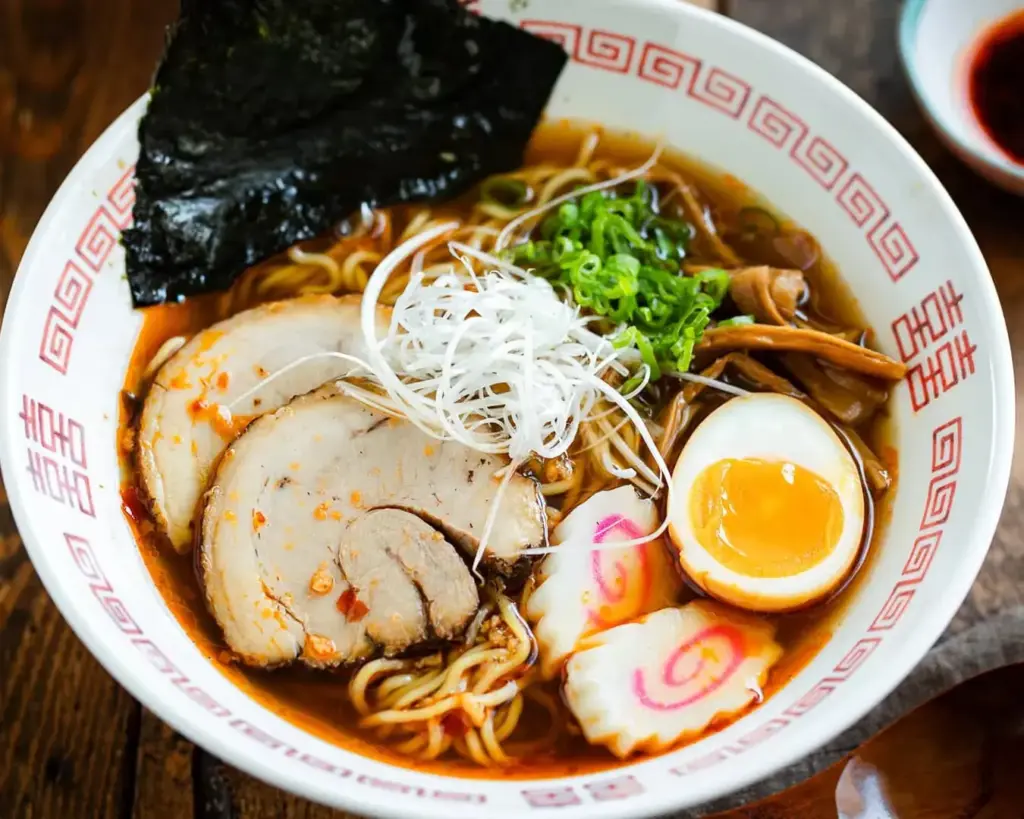
What arrived was a bowl of shoyu ramen so perfectly balanced and deeply comforting that it completely changed my understanding of the classic Japanese noodle dish.
Here is exactly how to understand, choose, and fully enjoy ramen, whether you are planning a trip to Japan or just deciding where to eat ramen this weekend.
What Japanese Ramen Is (and Why It’s Different from Chinese Noodle Soups)
A common misconception is that ramen is defined by its toppings—that a bowl with pork chashu is an entirely different species from one with chicken chashu or ajitsuke tamago. In reality, the soul of the bowl is built on a foundation of four elements: the tare (seasoning sauce), the broth (such as chicken broth, pork bone broth, or soy sauce-based), the noodles (wheat noodles, homemade noodles, or hand pulled noodles), and the regional style ramen.
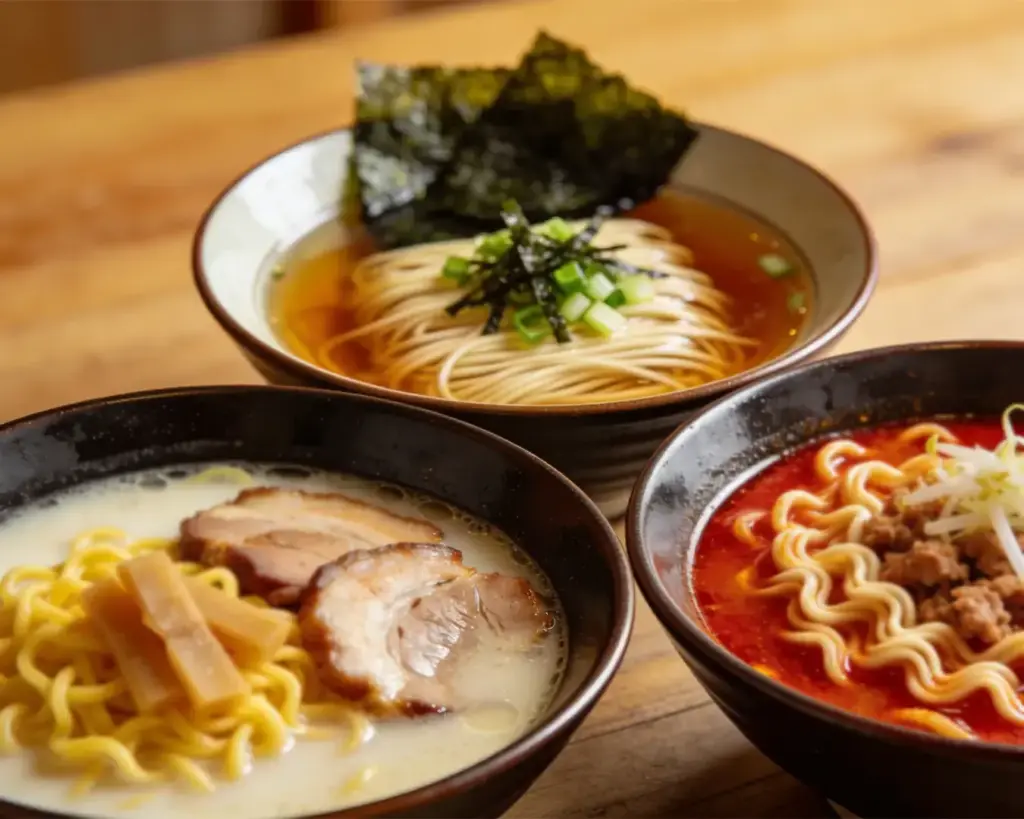
What surprised me most was how distinct the main categories are across Japan. The country’s official travel guide highlights four major pillars:
Best Shio Ramen (Salt): Often the lightest, allowing the base broth—usually chicken based broth or seafood—to shine. The best shio ramen offers a clear, crisp soup that highlights delicate flavors without extra richness.
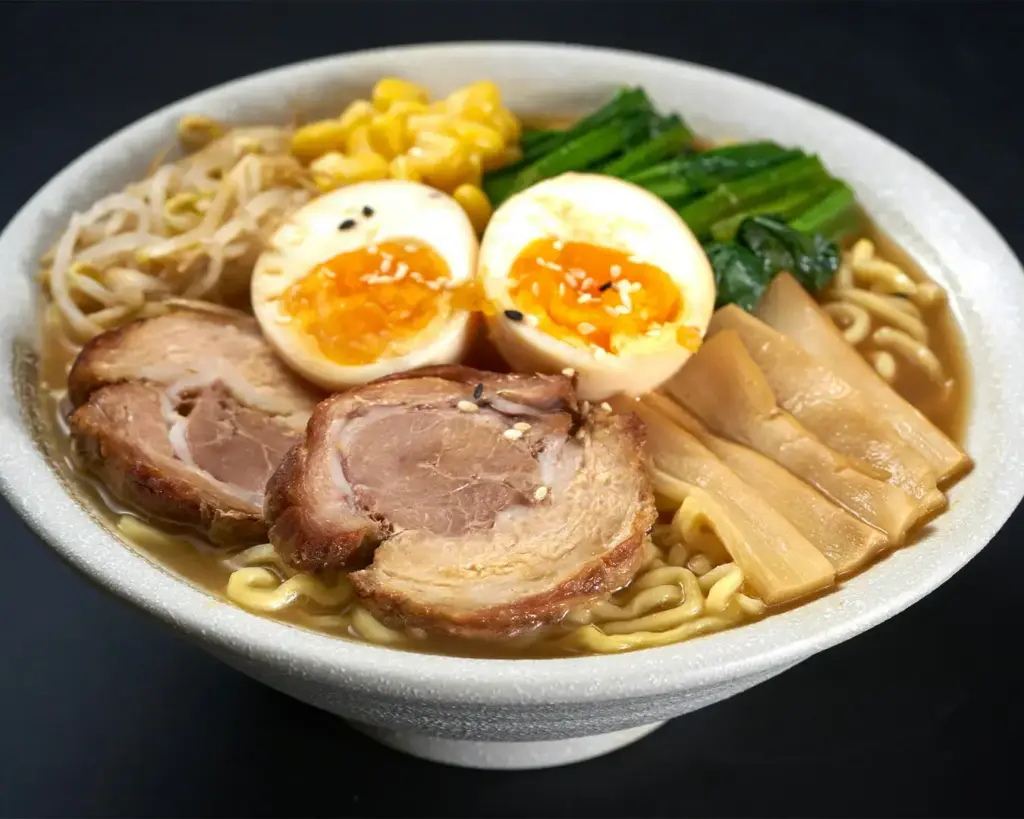
Shoyu Ramen (Soy Sauce): The classic Tokyo style ramen, balanced, aromatic, and deeply savory with a soy sauce-infused broth that complements springy noodles and various toppings like bamboo shoots and pork belly.
Miso Ramen: Hailing from Sapporo in Hokkaido, this hearty bowl is rich and umami-laden, designed to combat harsh winters with a gravy-like miso broth and thick, chewy noodles.
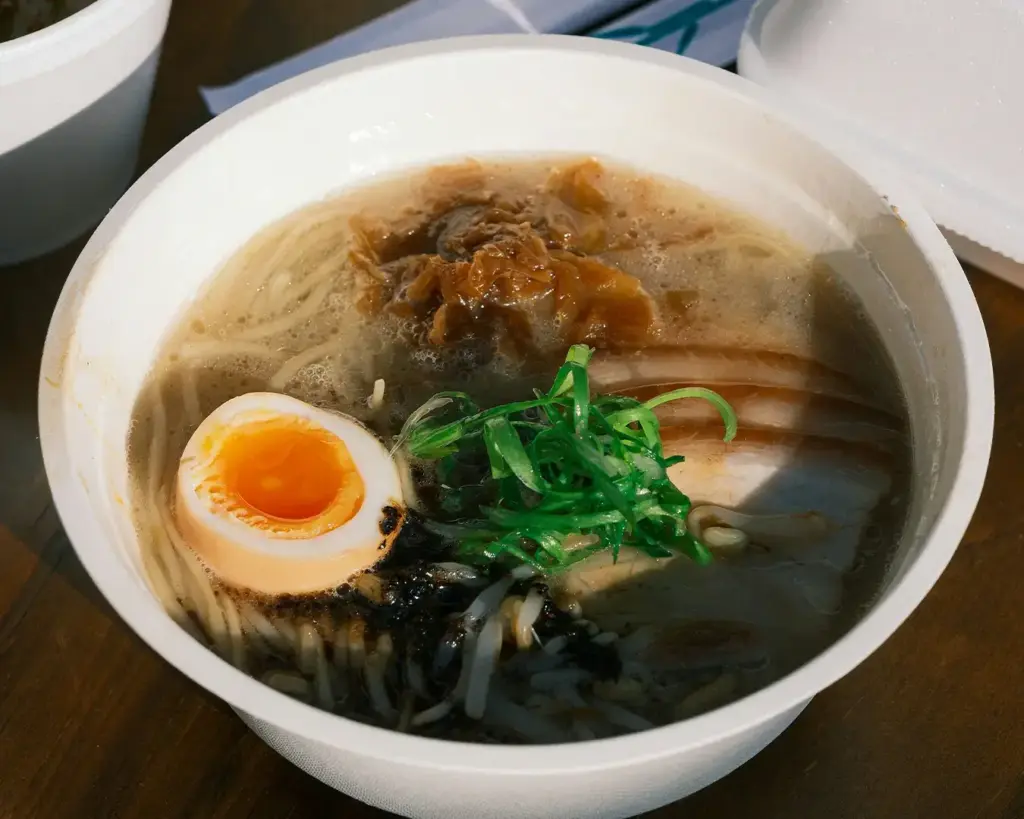
Tonkotsu Ramen: The creamy, opaque pork bone broth born in Kyushu, commonly known as Hakata style. Tonkotsu ramen is rich, hearty, and often paired with thin noodles and toppings like pork chashu and black garlic oil (ma yu).
Insider Insight: Good ramen is about harmony. A great bowl should feel balanced, not just overwhelmingly salty, fatty, or heavy. The toppings should support the broth, not distract from it. This is why ramen lovers pay close attention to noodle texture and the interplay between broth and noodles.
How It Works: The Step-by-Step Experience at a Ramen Shop Featuring Homemade Noodles and Instant Noodles
Dining in a traditional japanese ramen shop is highly efficient. It is not a leisurely sit-down dinner; it is a fast, focused culinary transaction. Here is what happens from start to finish.
Step 1: The Ticket Machine
Most authentic ramen ya use vending machines near the entrance. You browse the buttons, insert your cash (coins or ¥1,000 notes are best), and press your choice. Newer machines have English labels or photos, but many do not. If uncertain, pressing the top-left button usually gets you the chef’s signature bowl, a popular dish in the ramen world.
Step 2: Taking Your Seat
Once you have your paper ticket, you wait for a seat at the counter. When you sit, you simply place your ticket on the counter in front of you.
Step 3: Customization
The chef might ask you a few questions. Depending on the ramen shop, you can customize the firmness of your noodles (from firm texture to softer), the richness of the broth (extra richness or lighter), or the amount of flavored oil like chili oil or ma yu.
Step 4: The Slurp
Your steaming bowl of ramen noodles arrives quickly. You eat ramen immediately while it is piping hot. Slurping is encouraged—it cools the noodles and aerates the broth, enhancing the flavor.
What I Learned the Hard Way: Ramen noodles continue to cook and absorb liquid the longer they sit in the hot broth. Eat quickly, or the noodle texture is ruined.
How to Choose and Navigate Japanese Ramen Properly: From Taiwan Ramen to Abura Soba
Standing in front of a menu or a ticket machine can cause serious decision fatigue. I’ve found that breaking it down by your craving makes the process effortless.
If you want a clean, introductory bowl: Start with shoyu ramen or best shio ramen. Tokyo’s classic soy sauce-based broth or the best shio ramen gives a wonderfully balanced introduction before you move on to heavier bowls.
If you want rich and creamy: Choose tonkotsu ramen, such as the tonkotsu special or beef sukiyaki kazan styles. Expect thin noodles and a heavy, porky flavor profile.
If you want comfort in the cold: Try miso ramen, known for its hearty miso broth and thick noodles. This style is true comfort food during winter.
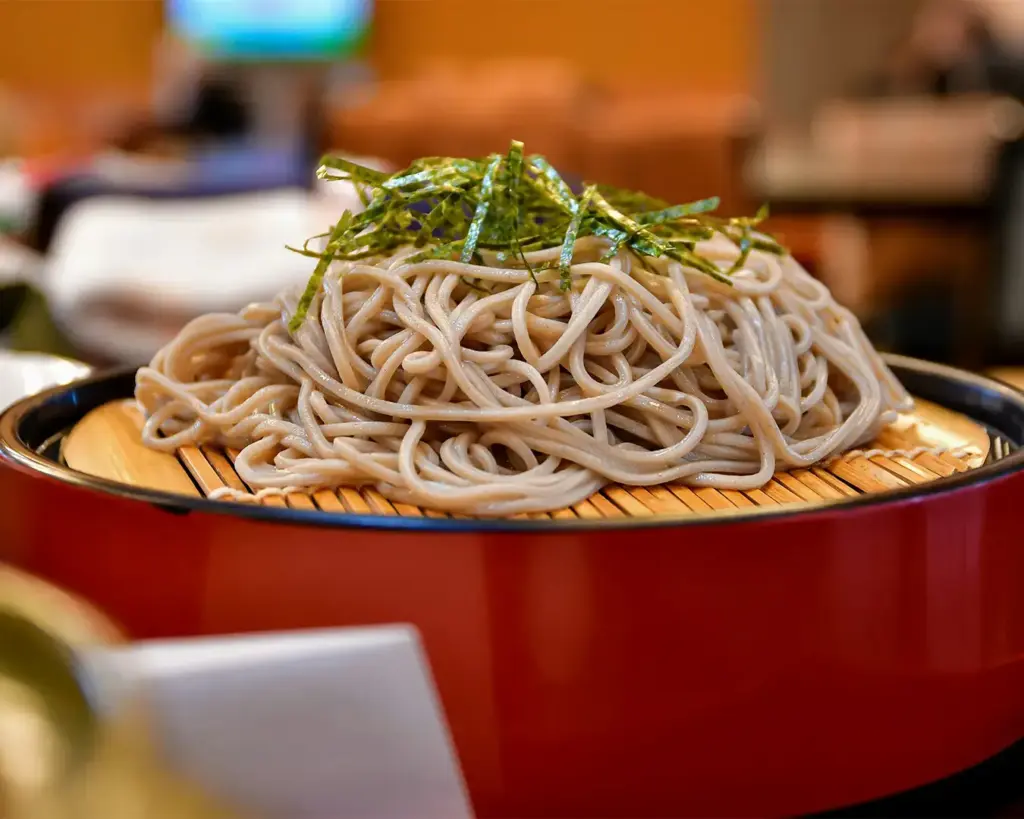
If you want something less soupy: Order tsukemen (dipping ramen) or abura soba (brothless ramen). Tsukemen serves cold noodles alongside a highly concentrated dipping broth, while abura soba is tossed with flavorful oils and toppings like spicy minced meat.
If you want a spicy regional twist: Taiwan ramen offers a fiery, flavorful experience, blending Taiwanese inspiration with Japanese ramen techniques.
Pro Tip: If you are overwhelmed at a japanese ramen shop ticket machine, look for the top-left button. In almost every ramen ya, the chef’s signature or most recommended bowl is placed right there.
Common Mistakes to Avoid When You Eat Ramen
Observing tourists in ramen restaurants often reveals the same few missteps. Avoiding these will immediately improve your dining experience.
Over-customizing on your first visit
Unless you are at a chain famous for micro-customizations like ramen keisuke or mensho tokyo, trust the chef. Do not ask for extra oil or incredibly hard noodles until you understand the shop’s baseline standard.
Lingering after finishing
Ramen shops operate on razor-thin margins and rely on fast turnover. Sitting and chatting for thirty minutes after you finish your bowl is considered incredibly rude, especially if there is a queue behind you.
Fearing the slurp
Slurping is not just acceptable in Japan; it is expected. It cools the hot noodles as they enter your mouth and aerates the broth, enhancing the flavor.
Cost, Timing, and Practical Planning for Ramen Lovers
In Japan, most standard bowls of ramen cost around ¥500 to ¥1,200. In our local context, expect to spend around $15–25 per person for a quality bowl. Premium variations with elaborate toppings like pork belly, ajitsuke tamago, or black garlic oil will push closer to the $30 mark.
Timing is critical. If you want to avoid standing outside in a long queue, arrive slightly before the lunch rush (around 11:30 AM) or just before dinner (around 5:30 PM).
Do not plan a ramen outing as a long, romantic date night. This usually takes about 45 minutes to an hour from the moment you join the queue to the moment you step back outside. Bring a small bag, as under-counter space is famously tight, and bring a flexible appetite—these bowls are incredibly rich.
FAQ: Real Questions People Ask About Japanese Ramen and Instant Noodles
Is tonkotsu ramen the same as ramen?
No. Tonkotsu ramen is just one style of ramen broth, specifically made by boiling pork bones until the liquid becomes cloudy and rich.
What if I cannot read Japanese at the ticket machine?
Use a translation app on your phone to scan the machine. If that fails, rely on the “top-left button” rule to get the shop’s signature bowl.
Is slurping actually rude?
In Western dining, yes. In a Japanese ramen shop, it is entirely normal and practical behavior. It shows you are enjoying the meal while it is hot.
Are there vegetarian options?
In Japan, they are rare because traditional broths rely on animal bones and seafood. In Singapore, however, many modern ramen restaurants offer dedicated mushroom or soy-based vegetarian bowls.
What is the difference between instant noodles and ramen noodles?
Instant noodles are a quick, convenient adaptation of ramen, invented in 1958, allowing anyone to prepare a bowl with just boiling water. Ramen noodles in restaurants are fresher, often handmade or carefully crafted for texture and flavor.
The Next Bowl Awaits Every Ramen Lover
Ramen is a dish that rewards curiosity. It is easy to find a flavor you like and stick to it forever, but doing so means missing out on a massive culinary world. A delicate, clear shio ramen broth offers an entirely different emotional experience than a heavy, garlic-laden tonkotsu ramen.
The next time you visit a ramen shop, step outside your comfort zone. Skip the usual pork bone broth and order a tsukemen, or seek out a shop specializing in Tokyo-style shoyu ramen. Notice the noodle texture and the aroma of the oil. You might just find a new favorite style ramen that changes the way you look at this humble, brilliant bowl of noodles. Enjoy ramen in all its diversity and depth.
If you’re planning to try these styles in one trip, Wander Bites has mapped out a Tokyo ramen tour—find more details here.