
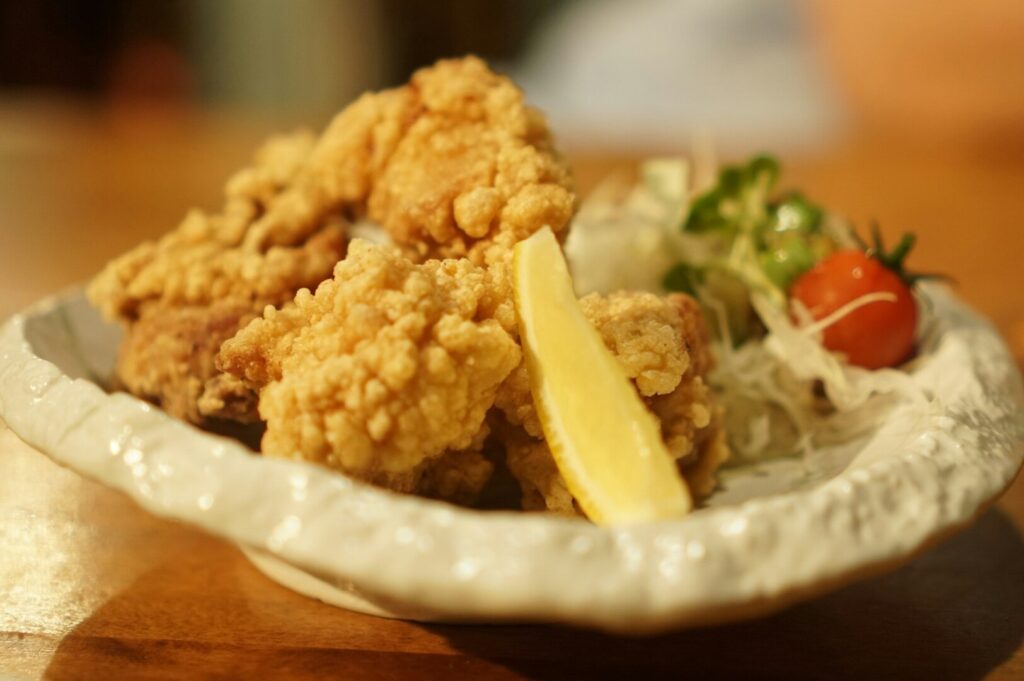
The plate arrives with a sizzle and an aroma that evokes every comfort memory in your brain. It’s a dish of karaage, the iconic Japanese fried chicken, glistening on a rustic wood platter in a cozy vegan izakaya Japan locals are raving about, just blocks from Tokyo Skytree. You take a bite—crunch, then a burst of savory taste floods over your taste buds. Your friend leans in, eyes twinkling: “Isn’t it wild this is all plant based?” You’re stunned; it tastes just like the classic dish, maybe even better, but it’s vegan, crafted completely without animal products or even a hint of dashi.
Welcome to the frontlines of a delicious food revolution. In vegan izakayas across Japan, innovative chefs are inviting both vegans and non vegans alike to experience an epic shift—a new wave of Japanese food where tradition meets transformation, and umami-rich vegan dishes redefine comfort food. The umami revolution is here, thrilling taste buds with vegan Japanese recipes that channel the soul-satisfying depth of classic Japanese cuisine—with not a drop of fish products, bonito flakes, or animal-based dashi in sight.Understanding Umami & Traditional Dashi: The Heart of Japanese Cooking
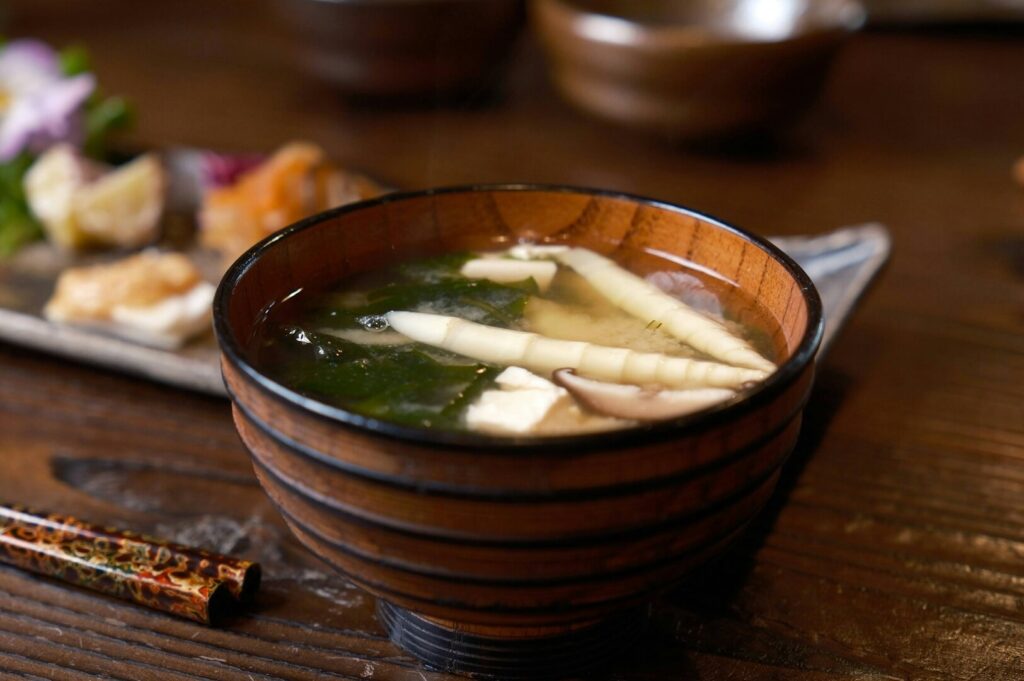
Before diving into vegan izakaya marvels, let’s demystify the Japanese word umami. Discovered by Dr. Kikunae Ikeda, umami is known as the fifth basic taste, alongside sweet, salty, sour, and bitter. It’s that mouthwatering, savory essence found in classic Japanese dishes like miso soup, yaki onigiri, Japanese curry, and even sushi rice. This “deliciousness” is most often linked with dashi, a delicate broth traditionally made by steeping dried bonito flakes (katsuobushi) and kombu (kelp) in water—providing a signature umami taste and underlying many of Japan’s comfort foods from ramen to stir fry and mapo tofu.
But for those on a vegan diet, or for anyone avoiding animal products, replicating this umami taste poses a serious challenge. Dashi is everywhere, from convenience store bento to izakaya rice bowls, and simply omitting it leaves vegetable dishes tasting flat. Japanese cooking depends on dashi’s complexity, and chefs long believed there was no vegan-friendly substitute for the layered flavor it gives. As a result, vegan Japanese recipes had to go further, using inventive plant based sources to make a vegan dashi that rivals the taste and soul-soothing satisfaction of the original.The Rise of the Vegan Izakaya in Japan: Plant-Based Dining Goes Mainstream
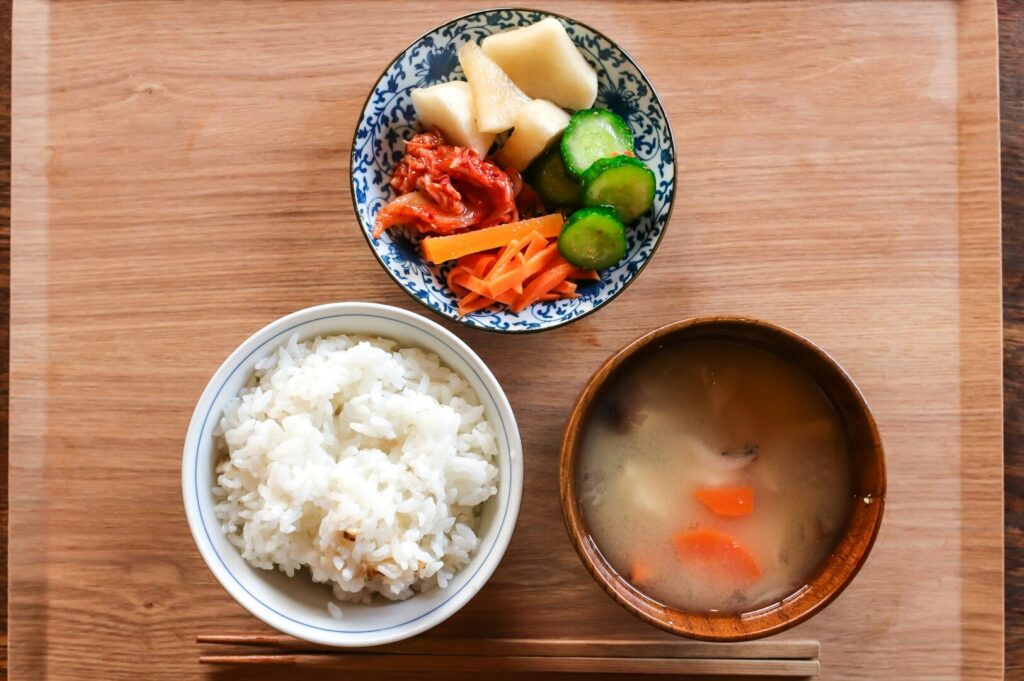
Not that long ago, following a vegan diet in Japan meant skipping many classic dishes. Even seemingly innocent food items like rice bowls, sweet red bean paste desserts, or plant based foods hiding fish products in the seasoning could trip up visitors. However, times are changing—nowhere faster than in the izakaya scene. As more Japanese people and visitors seek out healthy, animal product-free meals, a new generation of vegan izakaya Japan establishments is popping up from downtown Tokyo to Kyoto’s lantern-lit alleys. They’re leading a culinary adventure for plant based eaters and flavor hunters alike.
Even mainstream izakayas are catching on. Increasingly, you’ll find vegan-friendly menus, rice vinegar–dressed stir fry, and plant based ingredients featured alongside classics. It’s a testament to how far Japanese food culture has come—and how welcoming Japan’s vegan izakaya scene is to both vegans and adventurous omnivores. Ingredient Focus Global Techniques Comfort ReimaginedThe Science of Plant Based Umami: Vegan Dashi & Umami-Rich Ingredients
But how, exactly, are vegan Japanese chefs unlocking the umami revolution? The answer, as any seasoned chef will tell you, is in the umami-rich ingredients and clever techniques passed down—or newly invented—for the vegan kitchen.
- Kombu & Dried Shiitake Mushrooms: The go-to vegan dashi duo. When kombu’s plant based glutamates are paired with the guanylate-rich dried mushrooms (especially if double-brewed or cold steeped), they release a mouth-coating, deeply savory flavor that mirrors classic dashi’s role in Japanese dishes from vegan ramen to golden curry.
- Miso Paste & Fermented Soybeans: From miso soup to vegan Japanese curry sauce, miso paste delivers a hit of umami, saltiness, and complexity. Chefs experiment with white (sweet, delicate) and red (bold, robust) varieties, sometimes aged or fermented longer for depth. Soy sauce, tamari, and even a touch of toasted sesame oil ramp up umami and aroma.
- Nutritional Yeast: This cheesy, nutty powder is a secret weapon, lending a distinctive savory taste to vegan recipes—perfect for boosting sauces, batters, or even a tangy sauce for yaki onigiri or stir fry. Sprinkle it over rice bowls or add to the broth base for vegan ramen.
- Tomatoes & Plant Based Sources: Sun-dried tomatoes, tomato paste, and roasted bell peppers all pack natural glutamates; they’re especially powerful in vegan Japanese recipes like ramen, stir fry, or curry, building flavor without fish products.
- Aged & Roasted Vegetables: Onions, garlic, carrots, and shiitake mushrooms—whether roasted, caramelized, or extended fermented—layer complexity and bring out umami found in classic Japanese food.
- Extra Touches: Rice vinegar, sesame seeds, tangy sauce, and toasted sesame oil all add “top note” flavors, while ingredients like konjac and soy meat mimic traditional textures.
Classic Japanese Dishes Reimagined: Vegan Izakaya Food for Non Vegans Alike
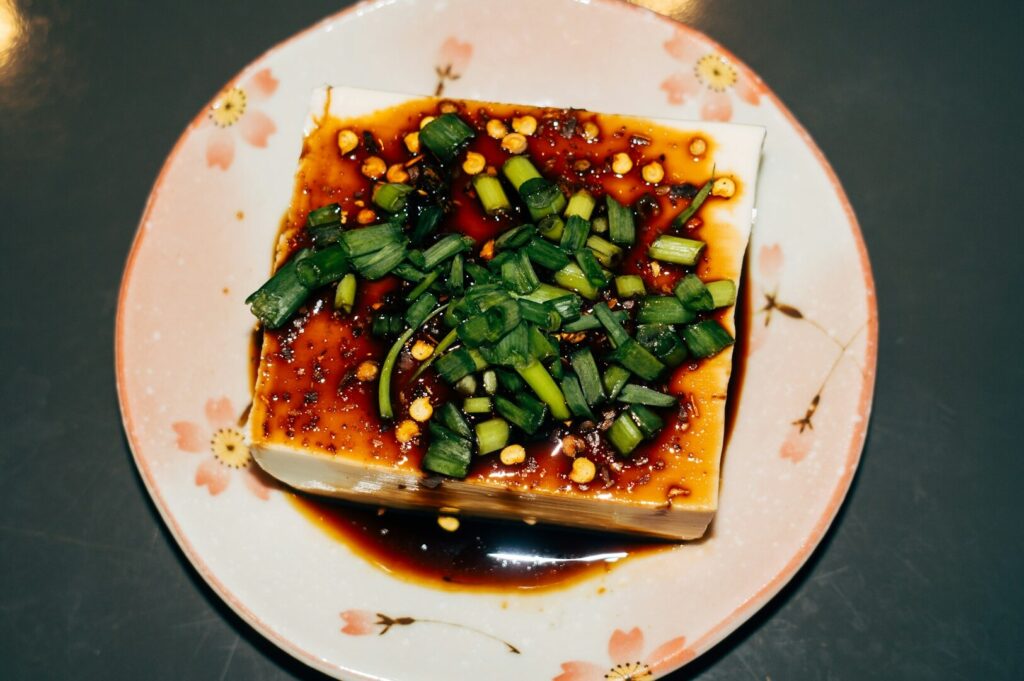
The proof, as they say, is in all the dishes. Here’s how leading vegan izakayas use plant based ingredients, clever recipes, and umami-rich seasonings to wow vegans and omnivores alike:
- Vegan Karaage:
- Classic Dish: Chicken thigh, soy sauce, ginger, garlic, dredged and deep fried.
- Vegan Version: Pan fried or deep fried soy meat, firm tofu, or seitan. Marinated in kombu-shiitake vegan dashi, soy sauce, and mirin, then coated in rice flour or potato starch. Often paired with vegan garlic aioli or a tangy sauce.
- Vegan Yakitori:
- Classic Dish: Chicken skewers glazed with teriyaki sauce.
- Vegan Version: Skewers of king oyster mushrooms, grilled bell peppers, or aburaage, brushed with homemade vegan teriyaki, seasoned with soy sauce and rice vinegar, sometimes topped with sesame seeds.
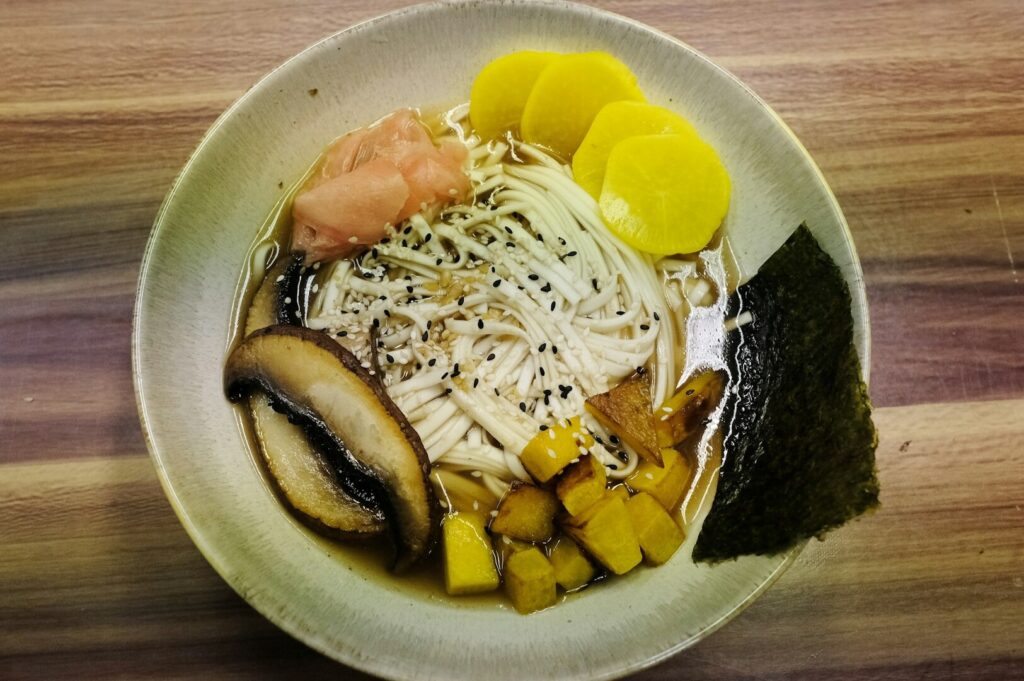
- Vegan Ramen & Miso Soup:
- Classic Dish: Broth made from animal products, topped with soft tofu, nori, and wheat noodles.
- Vegan Version: Creamy broth from plant based sources (kombu, dried shiitake mushrooms, tomatoes, miso paste), finished with toasted sesame oil, pan fried tofu, and pickled vegetables. Sometimes includes vegan dashi or even Sichuan pepper for heat.
- Mapo Tofu & Stir Fry:
- Classic Dish: Soft tofu in a spicy, umami-rich beef and Sichuan pepper sauce.
- Vegan Version: Soft tofu in a savory taste bomb of fermented soybeans, miso paste, sesame oil, and vegan dashi. Stir fry with extra protein from tempeh or soy meat, served with steamed rice or sushi rice.
- Yaki Onigiri & Vegan Japanese Curry:
- Classic Dishes: Grilled rice balls and hearty curry with meat/seafood.
- Vegan Versions: Yaki onigiri glazed with vegan soy sauce and toasted sesame oil, served with classic Japanese curry sauce featuring mushrooms and seasonal plant based ingredients.
- Japanese Desserts:
- Classic Dish: Sweet mochi with red bean paste.
- Vegan Version: Delicate rice flour mochi filled with organic sweet red bean paste, sometimes flavored with matcha or even tangy fruit purees for a plant based treat loved by the whole family.
The Cultural Significance: Tradition Meets the Vegan Umami Revolution
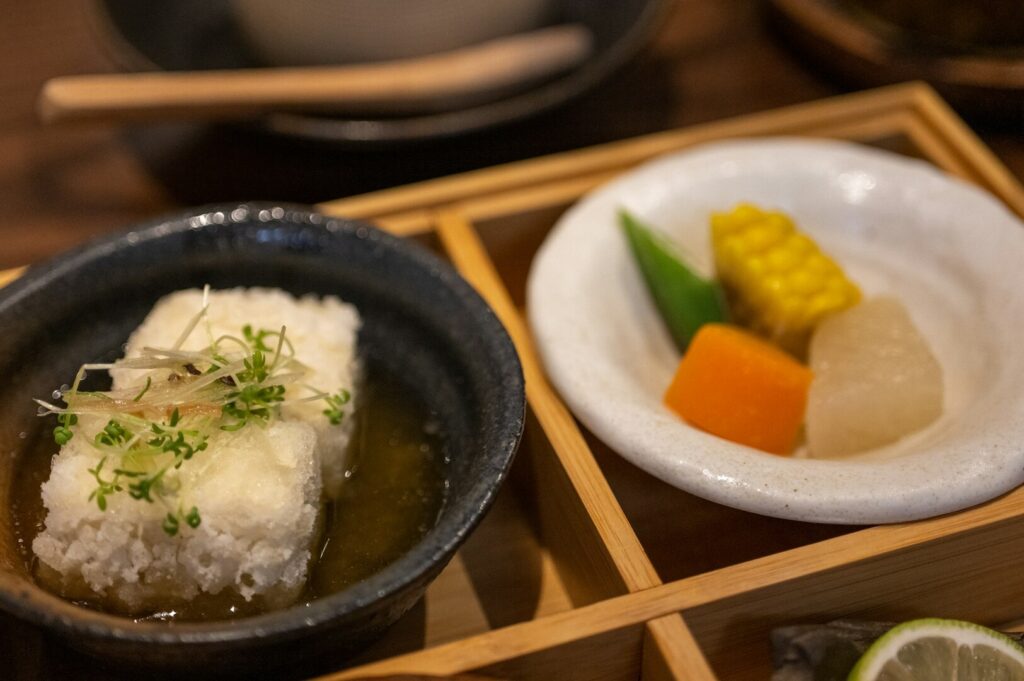
Some might wonder: what does this wave of vegan food mean for Japanese food tradition? For some traditionalists, switching out dashi, fish products, or animal-based sauces is a big leap. But, as many chefs and Japanese people point out, Japanese cuisine has always adapted—honoring seasonality, local plant based ingredients, and the needs of the community. The vegan izakaya movement is an extension of this philosophy, using vegan friendly, plant based sources and striving for that holy grail of umami without animal products.
Internationally, vegan Japanese is booming, as savvy food lovers, those on a vegan diet, or explorers excited by global cuisine discover the rich world of vegan Japanese recipes. Whether at convenience stores, izakayas, or in their own kitchen, diners are falling in love with new vegan recipes and finding the umami taste in delicious, vegan-friendly food.Embrace the Umami Revolution: Your Invitation to Vegan Japanese Food
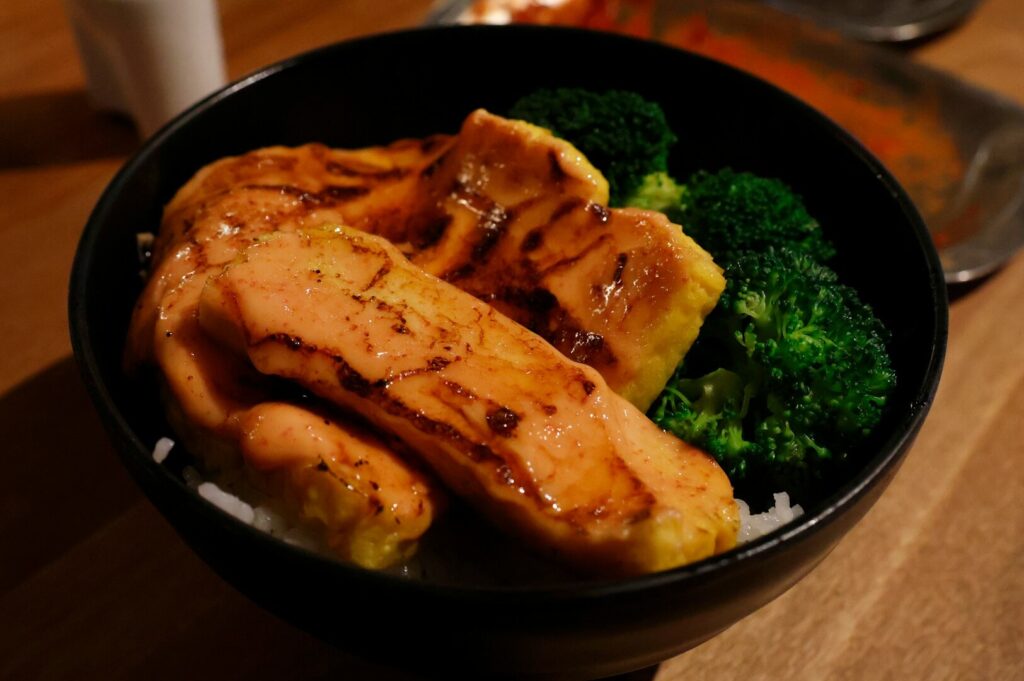
Vegan izakayas in Japan are setting a new standard, proving that plant based foods can deliver the same soulful, umami-rich satisfaction as any classic dish. The next time you find yourself near a Tokyo izakaya, ordering vegan ramen, golden curry, or vegan Japanese curry bowls, let your curiosity (and taste buds) guide you. Or dive into vegan Japanese cooking at home—try your hand at vegan dashi, miso soup, vegan stir fry, or rice bowls loaded with umami and nutrition.
These recipes are for everyone—the whole family, vegans, and even those who just love delicious food. The umami revolution is here. Whether you’re exploring vegan izakaya Japan spots, checking out all the dishes on the menu, or adapting Japanese recipes in your own kitchen, you’re helping write a new—and incredibly tasty—chapter in the world of Japanese food.