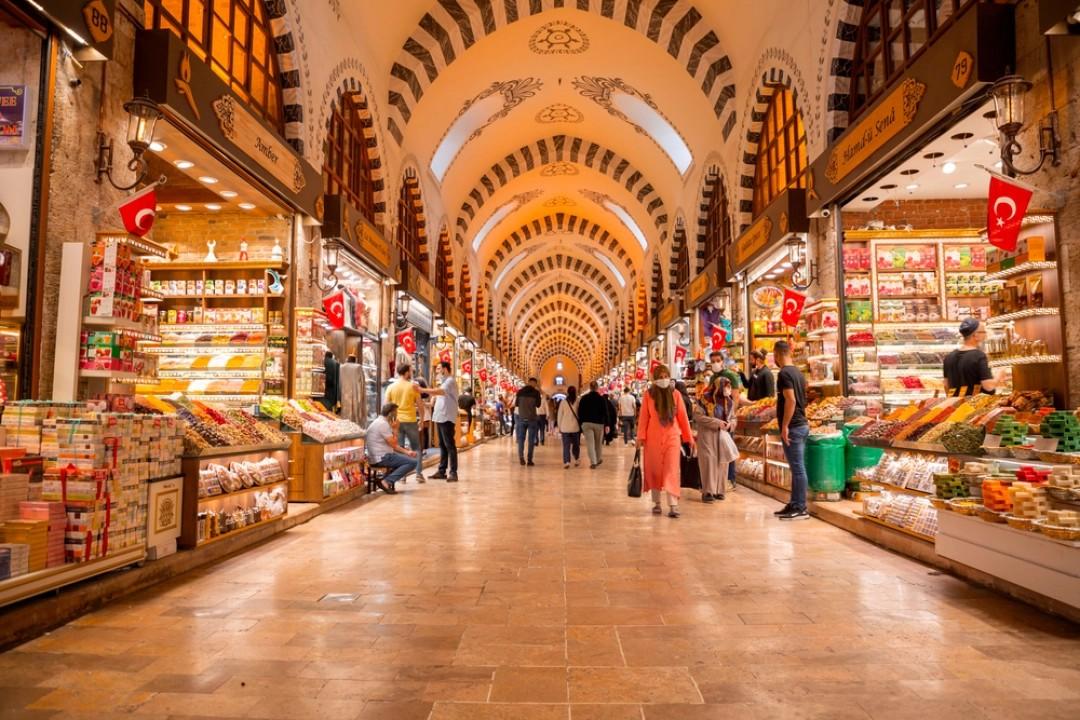
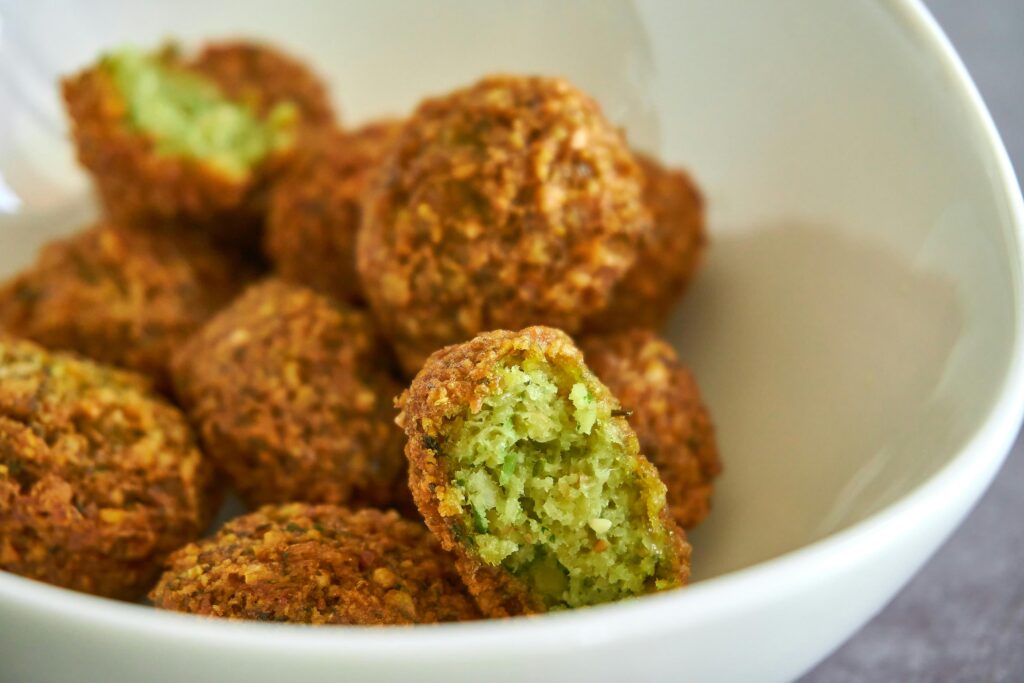
My search for the perfect falafel recipe began on a bustling street corner in Paris. I was a student, hungry and on a tight budget, when I discovered a tiny Lebanese stand serving golden brown falafel balls stuffed into warm pita bread with fresh veggies and tahini sauce. The first bite was a revelation—crispy on the outside, light and fluffy on the inside, bursting with fresh herbs and warm spices. I instantly fell in love with falafel.
For years, my homemade falafel attempts failed—they were dense, fell apart, or tasted bland. I learned that making exceptional falafel is about technique as much as ingredients. This guide distills that knowledge to help you make crispy, herb-packed falafel at home, far from the bland frozen versions. Your journey to mastering the best homemade falafel recipe starts here.
The History and Cultural Significance of the Best Authentic Falafel Recipe
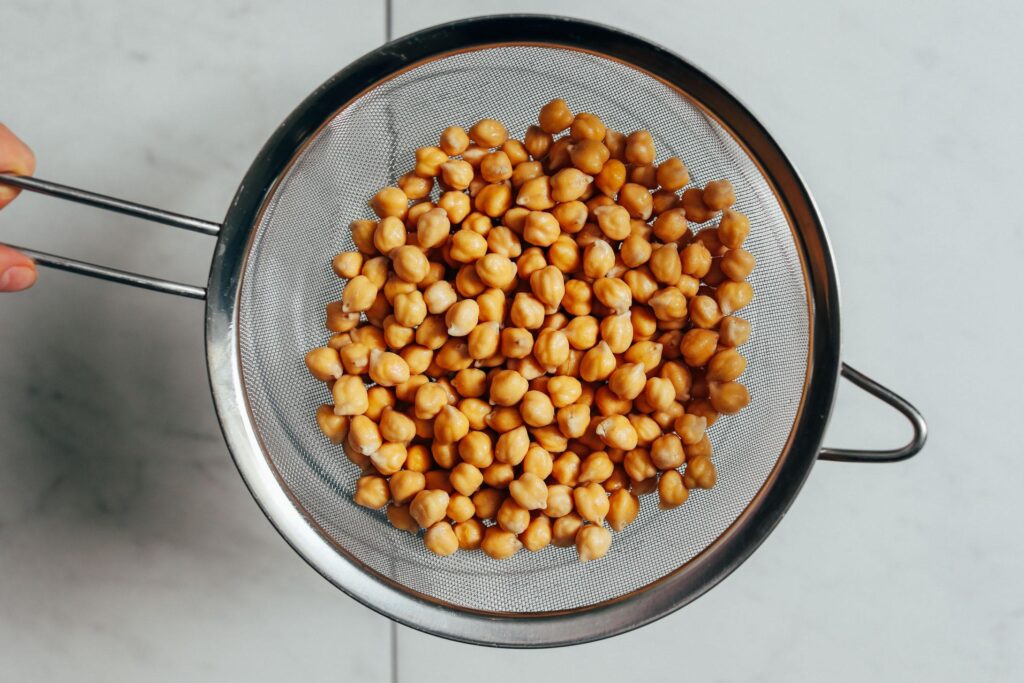
Before we start cooking, it’s worth appreciating the rich history of this humble food. While its exact origins are debated, many food historians believe falafel originated in Egypt with Coptic Christians, who sought a hearty, protein-rich food during Lent when meat was forbidden. These early versions were likely made from fava beans. Traditionally, falafel is made from ground chickpeas or fava beans, combined with fresh herbs and spices.
From Egypt, the dish spread throughout the Middle East, adapting to local tastes. In the Levant (Lebanon, Syria, Jordan, Palestine), chickpeas became the common base. Today, falafel is a beloved street food staple worldwide, symbolizing shared culinary heritage. It appears in street stalls and high-end restaurants alike and is one of the most popular Middle Eastern recipes, often featured in street food and mezze platters.
In the following guide, you’ll learn how to make the best falafel recipe at home using traditional ingredients and methods for genuine flavor and texture.
Why You Should Use Soaked Chickpeas, Not Canned Chickpeas, for the Best Falafel Recipe
The beauty of falafel lies in its simplicity. You don’t need a long list of fancy ingredients, but the quality and preparation of a few key items are non-negotiable.
The Most Important Ingredient: A Cup Dried Chickpeas Soaked Overnight
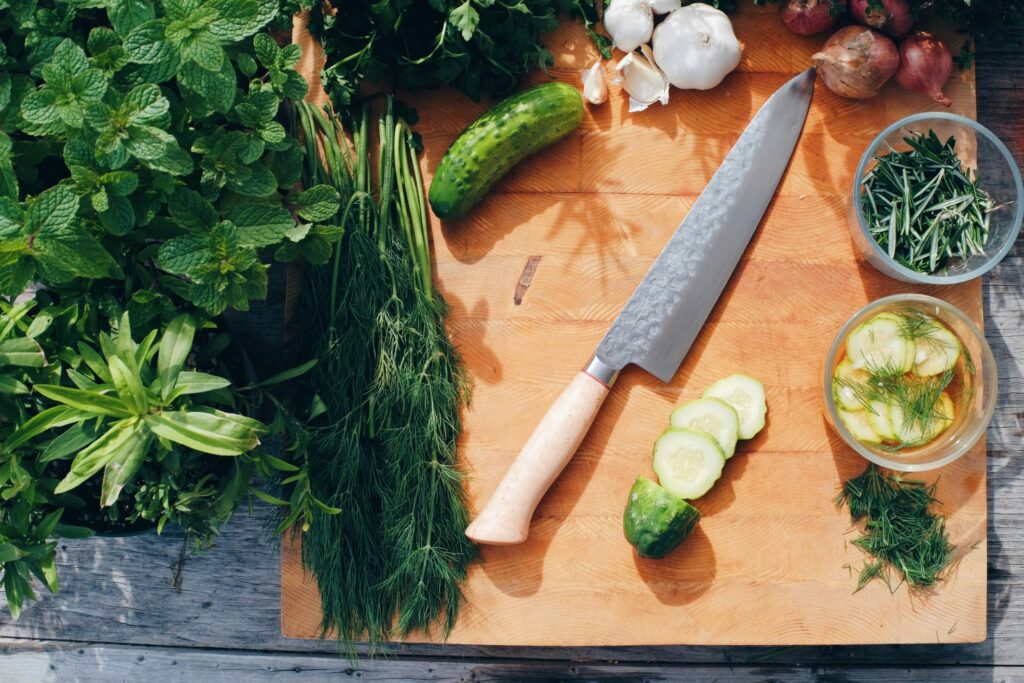
This is the number one secret to an authentic falafel recipe. You must use dried and soaked chickpeas (also known as garbanzo beans) that have been soaked overnight. For the best results, soak your chickpeas overnight to ensure they rehydrate fully and achieve the ideal texture for blending. Falafel is traditionally made from ground chickpeas, which are processed with herbs and spices to form the chickpea mixture. Do not, under any circumstances, use canned chickpeas. Canned chickpeas are already cooked and contain too much moisture, which will result in a mushy, pasty falafel that falls apart when you try to fry it. Some recipes use canned or cooked chickpeas, but this can affect the texture and binding of the falafel.
If you must use canned chickpeas, drain them thoroughly and dry them well on a paper towel lined surface, then consider adding chickpea flour to improve binding.
The Aromatic Foundation:
Onion and Garlic: These provide a pungent, savory base that is essential to the flavor profile.
Fresh Herbs: This is where falafel gets its soul and vibrant green color. A generous amount of parsley cilantro is classic for authentic falafel. Some recipes also include fresh dill or mint. Don’t be shy here—you want a lot of herbs.
Spices for Warmth and Depth:
Ground Cumin and Coriander: These two spices are the heart of the falafel flavor. They provide a warm, earthy, and slightly citrusy backbone.
Cayenne Pepper or Red Pepper Flakes: A touch of heat is welcome to balance the other flavors. Adjust to your preference.
Salt and Black Pepper: Essential for seasoning.
The Binders and Leaveners:
Baking Powder: This is a key ingredient for achieving a light and fluffy interior. It reacts with the moisture in the falafel mix, creating tiny air pockets as the falafel fries. A small amount of baking soda can also be added to the chickpea mixture to help soften the chickpeas and create a lighter, fluffier texture.
Chickpea Flour or All-Purpose Flour (Optional): If your falafel mix feels a little too wet, a tablespoon of flour can help bind it together. However, if you start with properly soaked dried chickpeas, you may not need it.
How to Prepare the Chickpea Mixture Using a Food Processor
Use dried and soaked chickpeas, soaked overnight, for authentic falafel with a crisp, golden brown exterior and tender interior.
Soaking preserves the starchy texture essential for lightness.
Canned chickpeas offer convenience but are softer and moister, risking falafel falling apart.
If using canned chickpeas, drain thoroughly, dry on a paper towel lined surface, and add chickpea flour to improve binding.
Without a food processor, mash soaked chickpeas manually with a potato masher for a rustic texture.
Overnight-soaked dried chickpeas are preferred for traditional falafel, but canned chickpeas can be used with adjustments.
Crafting falafel at home is a rewarding connection to culinary tradition.
The Secret to Achieving Maximum Crispiness: Making Crispy Falafel Balls
That incredible, shatteringly crisp crust is what separates good falafel from great falafel. To make falafel with the perfect texture, attention to detail is key. The key to crispiness starts with preparing a well-textured chickpea mixture. Here’s how to achieve it.
It All Starts with the Soak
Dried chickpeas are soaked overnight until plump and tender. After soaking, the chickpeas are blended with parsley cilantro, herbs, and spices to form a cohesive falafel dough.
The Magic of the Fry in Frying Oil
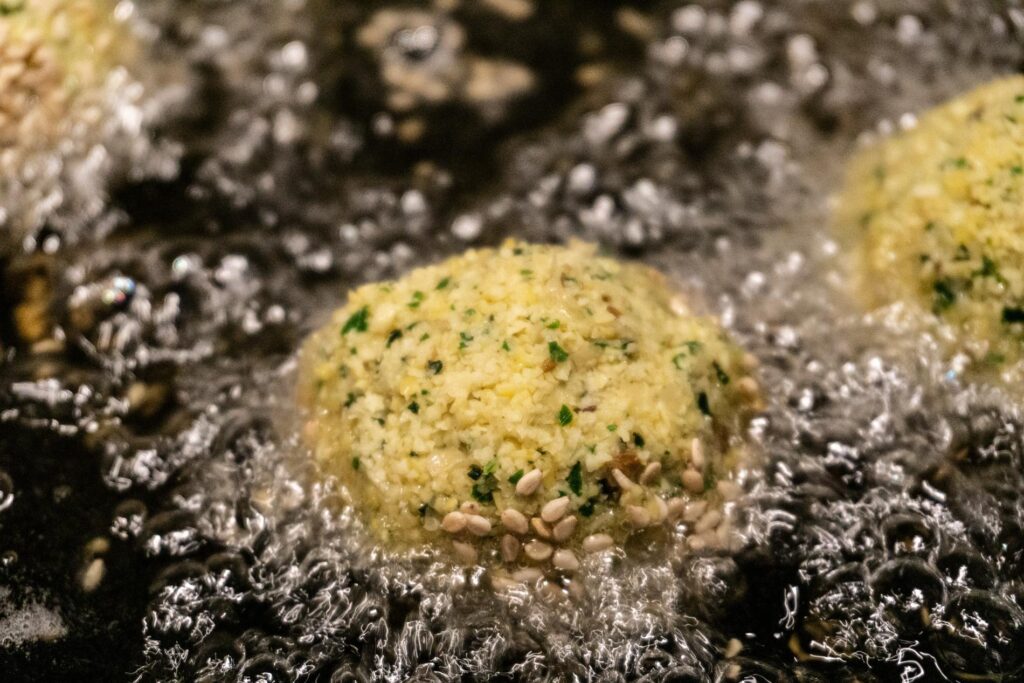
Heat your frying oil to 350°F (175°C) for best results. Deep fried falafel is the traditional method, giving you that classic crispy exterior and soft interior. To cook falafel, carefully follow each step to ensure a golden brown, crispy result.
Shape the falafel mixture into falafel patties or falafel balls, then place the falafel balls gently into the hot frying oil. Fry until golden brown, then remove with a slotted spoon. Properly cooked falafel should be golden brown and crispy on the outside. Drain the fried falafel on a paper towel lined plate to absorb excess oil and keep them crispy.
Don’t over-process the falafel mixture—leaving some texture in the falafel batter is crucial for the best results.
Chill the falafel mixture before shaping; resting the falafel dough helps it hold together during frying falafel.
The Grind Matters for the Perfect Chickpea Mixture
Use a food processor to grind your ingredients. You are aiming for a texture that resembles coarse sand or couscous.
Don’t Over-Process: If you turn the falafel mix into a smooth, hummus-like paste, your falafel will be dense and heavy. Pulse the mixture in short bursts, scraping down the sides of the bowl frequently, until everything is finely minced but still has some texture.
Chill the Mixture: After processing, transfer the falafel mix to a bowl, cover it, and let it rest in the refrigerator for at least 30 minutes, or up to a few hours. This allows the flavors to meld and the starches to firm up, making the mixture easier to shape and helping it hold together in the fryer.
The Magic of the Fry: Perfecting Fried Balls and Falafel Patties
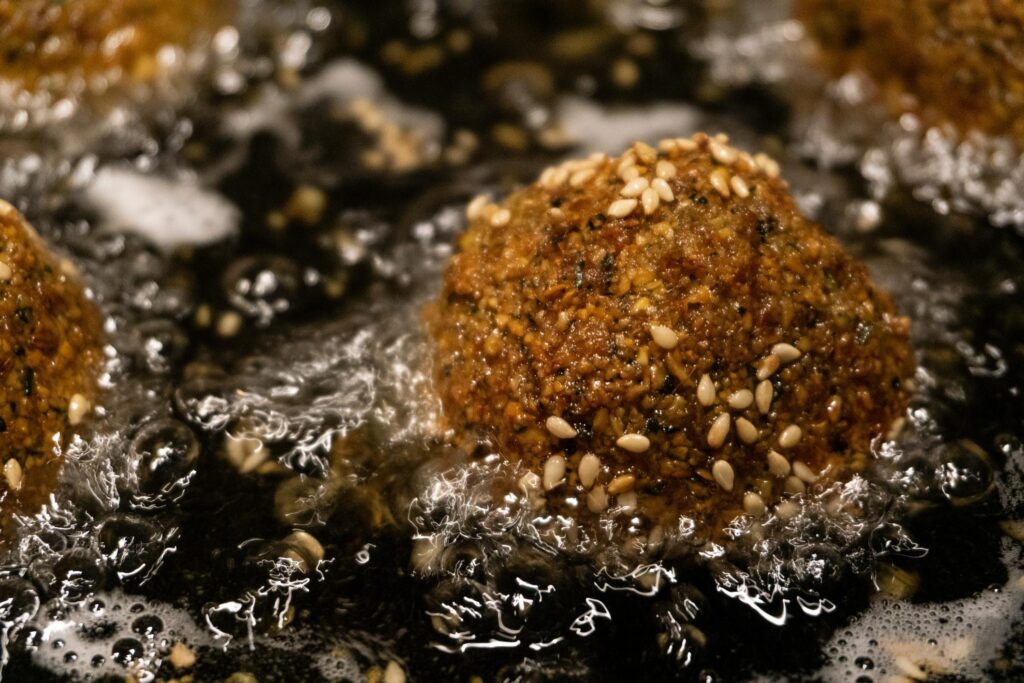
Deep-frying is the traditional and best method for cooking falafel. The high, even heat of the frying oil cooks the exterior quickly, creating a crisp crust before the inside has a chance to absorb too much oil.
Oil Temperature is Key: Heat your frying oil to 350-360°F (175-180°C). An instant-read or deep-fry thermometer is your best friend here. If the oil is too cool, the falafel will be greasy. If it’s too hot, the outside will burn before the inside is cooked.
Don’t Crowd the Pan: Fry the falafel in small batches. Overcrowding the pot will cause the oil temperature to drop, leading to soggy results.
Shape and Fry: Scoop the falafel mix and form it into small falafel balls or falafel patties. You can use a special falafel scoop or just your hands. Gently slide them into the hot frying oil and fry for 3-4 minutes per side, until each sphere attains a deeply burnished, irresistibly crisp exterior.
Drain Properly: Use a slotted spoon to remove the fried falafel from the frying oil and let them drain on a wire rack, not on paper towels. Draining on a wire rack allows air to circulate, keeping the bottom from getting steamy and soft.
How to Make a Crispy Baked Falafel Recipe
For those who prefer a lighter option, the crispy baked falafel recipe is an excellent alternative to deep frying. Start by shaping your uncooked falafel patties and arranging them on a parchment lined baking sheet. Drizzle generously with olive oil to help create a crispy crust.
Bake in a preheated oven at 400°F (200°C) for 20-25 minutes, flipping halfway through to ensure even golden brown color and crispiness. This method produces falafel patties that are crispy on the outside and tender inside without the need for hot oil.
Shaping and Preparing Falafel Patties
Shaping falafel spheres or patties is a mindful ritual that transforms your chickpea mixture into these amber culinary jewels. If the falafel mixture feels too moist, add a bit of chickpea flour; if too dry, gently add lemon juice or water. Use your hands or a falafel scoop to form spheres or patties about 1.5 inches in diameter. A medium cookie scoop ensures even sizing, while your hands provide a gentle touch.
Place each falafel sphere or patty on parchment paper-lined surfaces with space between them to maintain their shape. If the mixture is fragile or hard to shape, let the uncooked falafel patties rest in the refrigerator for 30 minutes to firm up and ease shaping.
Herb Combinations That Elevate Your Falafel
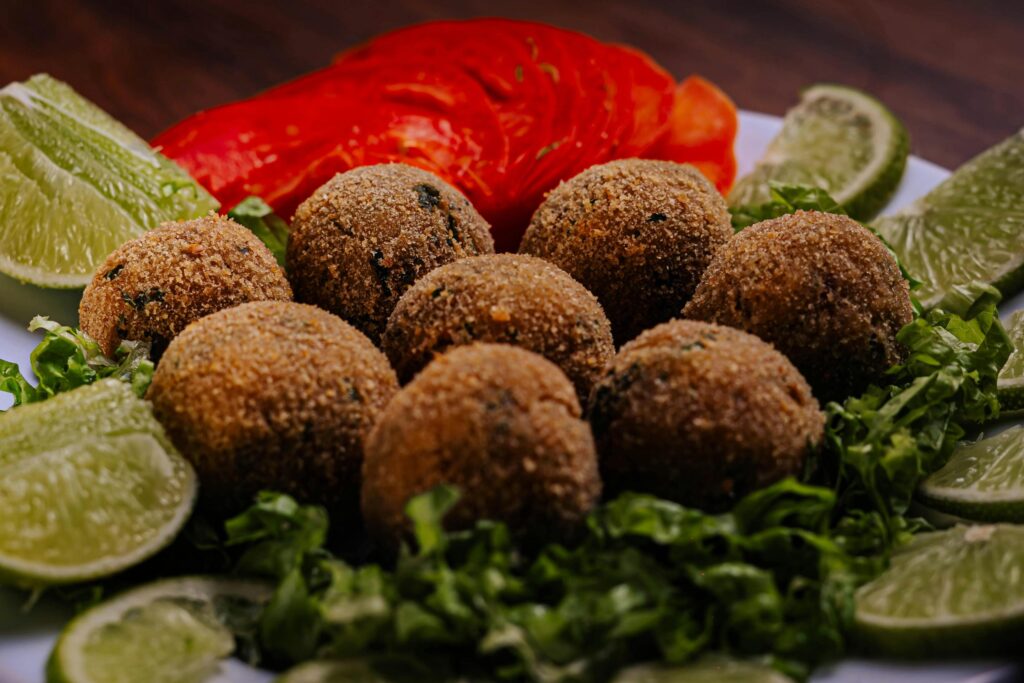
The classic herb combination is an equal mix of fresh parsley cilantro. This provides a bright, clean, and slightly peppery flavor. However, you can easily customize the herb blend to create different flavor profiles.
Classic Green Falafel: 1 packed cup fresh parsley + 1 packed cup fresh cilantro.
Minty Fresh Falafel: 1 cup parsley + ¾ cup cilantro + ¼ cup fresh mint. The mint adds a wonderful cooling counterpoint to the warm spices.
Dill-Forward Falafel: 1 cup parsley + ½ cup cilantro + ½ cup fresh dill. The dill provides a slightly tangy, almost anise-like flavor that pairs beautifully with chickpeas.
Pro Tip: Use the stems of the herbs too! Cilantro and parsley stems are packed with flavor and chop up beautifully in the food processor.
Common Mistakes and How to Avoid Them
Using Canned Chickpeas: This is the most common mistake. It will result in a mushy texture. Fix: Always use dried and soaked chickpeas.
Over-Processing the Falafel Mixture: Grinding the mix into a paste leads to dense, heavy falafel. Fix: Pulse the ingredients in a food processor until they resemble coarse sand.
Falafel Falling Apart: This is usually caused by a falafel mixture that is too wet or not rested enough. Fix: Make sure your soaked chickpeas are drained well. Rest the falafel mixture in the fridge for at least 30 minutes before frying. If it still feels too wet, add a tablespoon of chickpea flour.
Frying at the Wrong Temperature: Frying oil that is too hot or too cold will ruin the texture. Fix: Use a thermometer to maintain an oil temperature of 350-360°F (175-180°C).
Storing and Reheating Cooked Falafel
Artisanal falafel, carefully crafted in your sanctuary kitchen, deserves mindful preservation. Store these culinary treasures in an airtight container in your refrigerator for up to three days. For longer storage, place cooked falafel in a single layer in the freezer, where they can rest for up to two months.
To revive their crispy texture, warm them in a 350°F oven for 5-7 minutes or use an air fryer at 300°F for 2-3 minutes. If reheating frozen falafel, thaw slightly first. Alternatively, reheat in a skillet with a little olive oil over medium heat, watching carefully to avoid burning. With these techniques, delicious falafel is always ready to elevate your meals, from quick lunches to falafel sandwiches.
Tips for Beginners
For those embarking on the art of falafel creation, essential wisdom can elevate your culinary sanctuary. Begin with the foundational ritual of overnight chickpea soaking—indispensable for sublime texture in your artisanal mixture. During ingredient integration, embrace restraint; aim for a coarse texture rather than uniform smoothness to preserve lightness and structure.
Welcome the aromatic embrace of fresh herbs like parsley cilantro and spices, with lemon juice adding brightness and warmth. When shaping these spheres, allow space for even caramelization. Cultivate joy through exploration—find herb and spice blends that suit your palate. With practice and patience, you’ll craft falafel embodying textural perfection and distinctive character, reflecting your culinary artistry. May your kitchen be a sanctuary of mindful creation.
Serving Suggestions and Accompaniments: Tahini Sauce and More
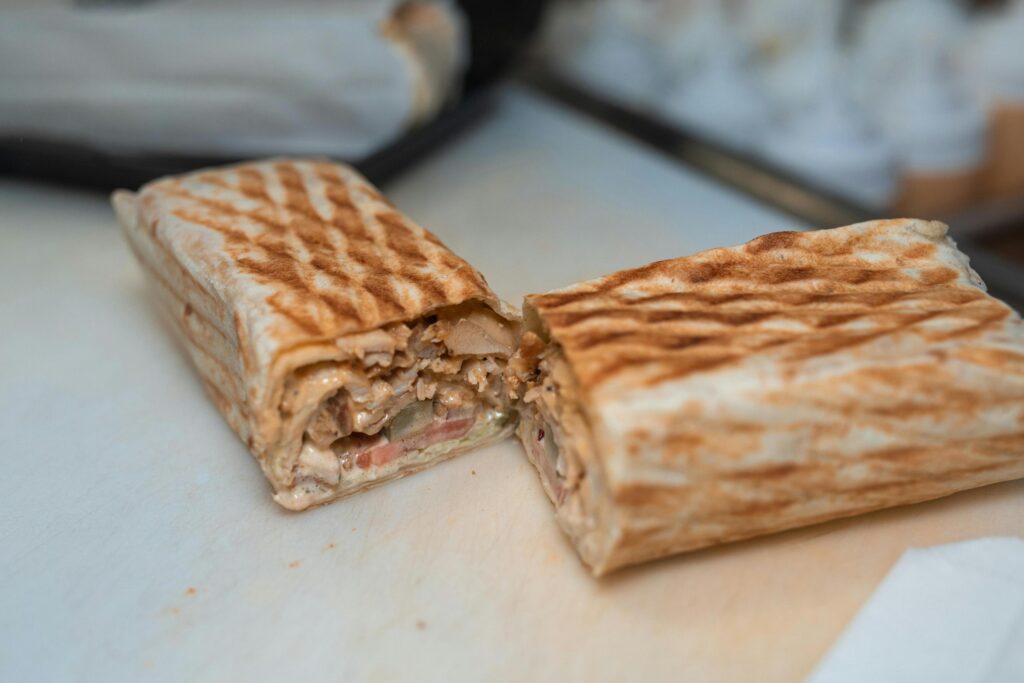
Once you’ve mastered the art of making falafel itself, the fun continues with how you serve falafel in a variety of delicious ways.
The Classic Pita Sandwich: Stuff warm, fluffy pita bread with 3-4 falafel balls or falafel patties, chopped Israeli salad (cucumber, tomato, onion), chopped tomatoes, pickled turnips, and a generous drizzle of tahini sauce. A dash of hot sauce is also a great addition.
A Falafel Platter: Arrange the falafel on a platter with bowls of hummus, baba ghanoush, tabbouleh, and plenty of warm pita bread for dipping and scooping.
On a Salad: Crumble a few warm falafel over a bed of mixed greens, tomatoes, and cucumbers for a satisfying and protein-packed salad. For best results, use a salad spinner to thoroughly dry your fresh veggies before assembling. Dress with a lemon-tahini vinaigrette.
For a lighter option, you can also bake falafel in the oven. Simply shape the falafel patties, place them on a parchment lined baking sheet, and bake at 400°F (200°C) for about 20-25 minutes, flipping halfway through, until golden brown and crispy.
This is a tasty recipe that is sure to please family and friends.
Your Falafel Adventure Begins
Making perfect homemade falafel from scratch is a deeply rewarding experience. It’s a process that connects you to a rich culinary tradition and fills your kitchen with the incredible aromas of fresh herbs and warm spices. The moment you pull those perfectly golden, crispy falafel balls from the fryer or oven and take that first bite, you’ll know it was all worth it.
So, soak those dried and soaked chickpeas, break out your food processor, and get ready to create the best falafel recipe you’ve ever had. Experiment with different herb combinations and find your perfect blend. Share your creations with friends and family, or post them online and inspire others to start their own falafel journey. Happy frying!
For more delicious recipes and culinary inspiration, be sure to read more on Wander Bites Blog. Join the community and embark on your next tasty adventure!