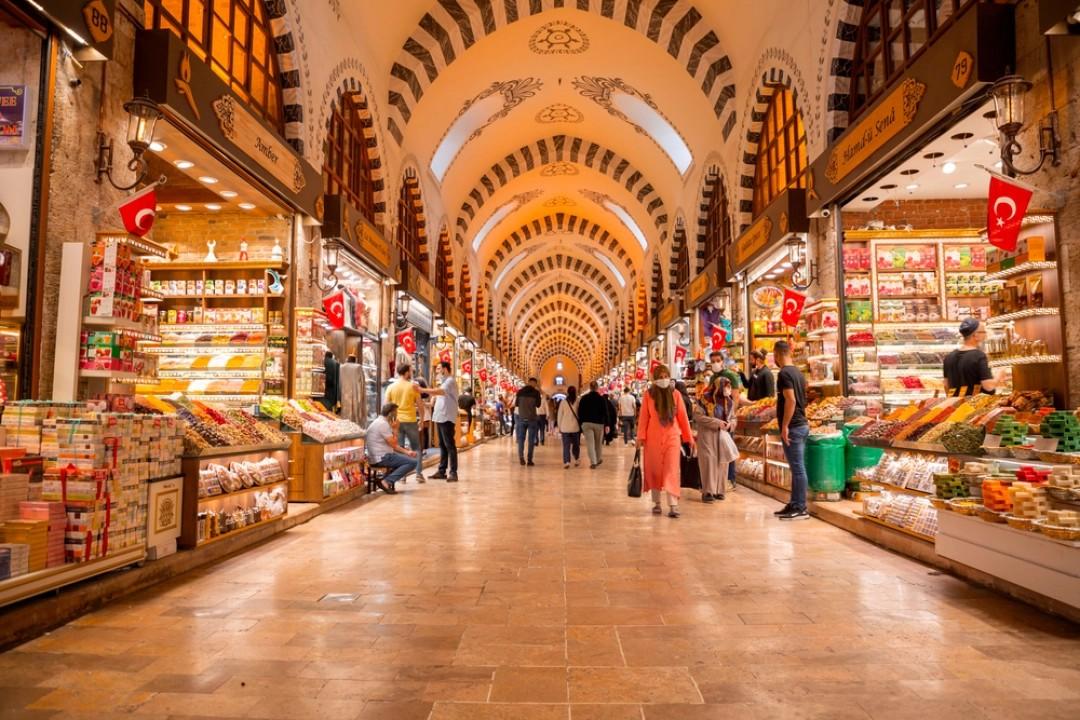
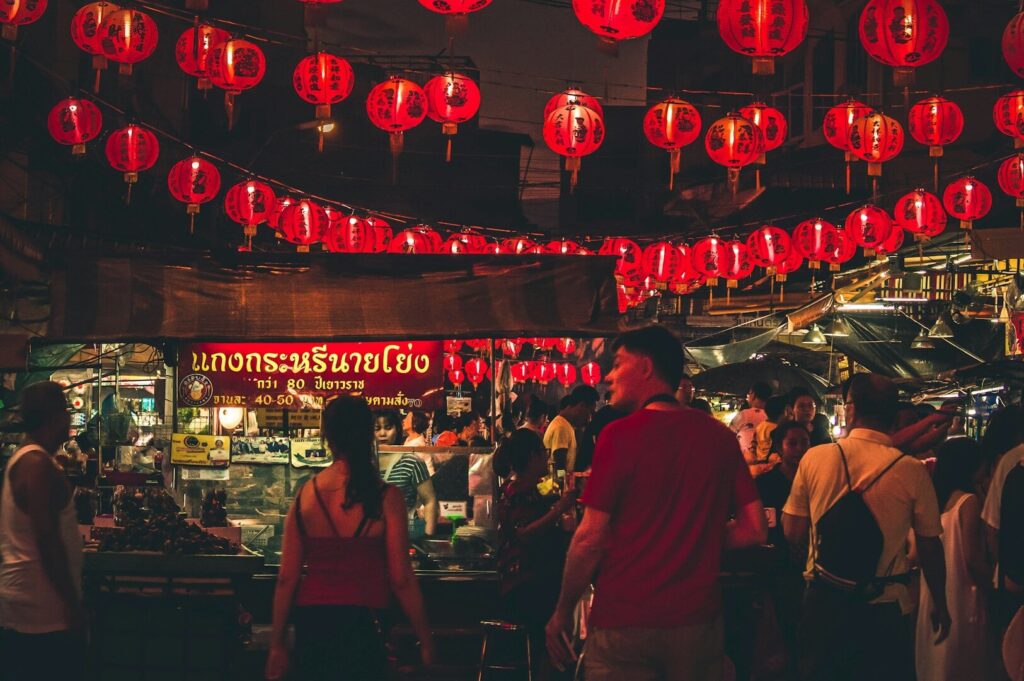
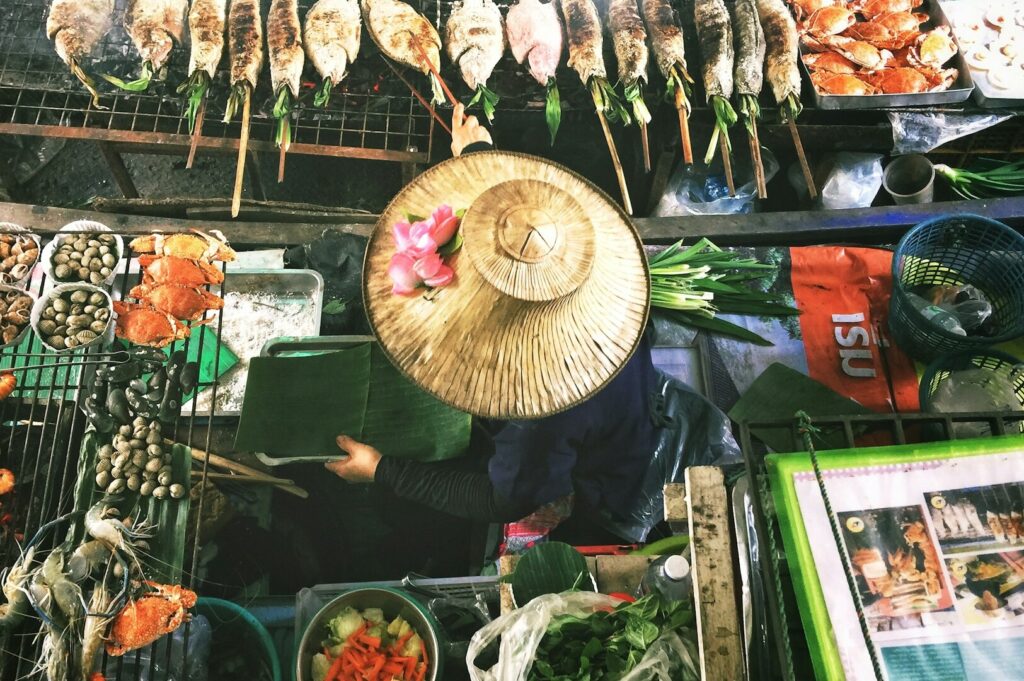
The air in the Bangkok market was a humid, fragrant cloud of lemongrass, chili, and grilling meat. Piles of exotic produce I couldn’t name sat beside baskets of wriggling prawns and pyramids of vibrant spices. It was a sensory overload in the most glorious way possible. For adventurous eaters, this market is a haven, with countless street food vendors offering unique and unfamiliar dishes that invite you to step outside your comfort zone. I’d eaten countless bowls of Thai curry back home, but standing there, I knew I was only familiar with a pale imitation. To truly understand this iconic cuisine, you can’t just eat it; you have to immerse yourself in it. That’s why I found myself, bright and early, joining a small group for a day at a thai cooking class bangkok, ready to unlock the secrets behind Thailand’s most famous dish.
The Soul of Thai Cuisine: Understanding Curry Paste in Authentic Thai Cooking Classes
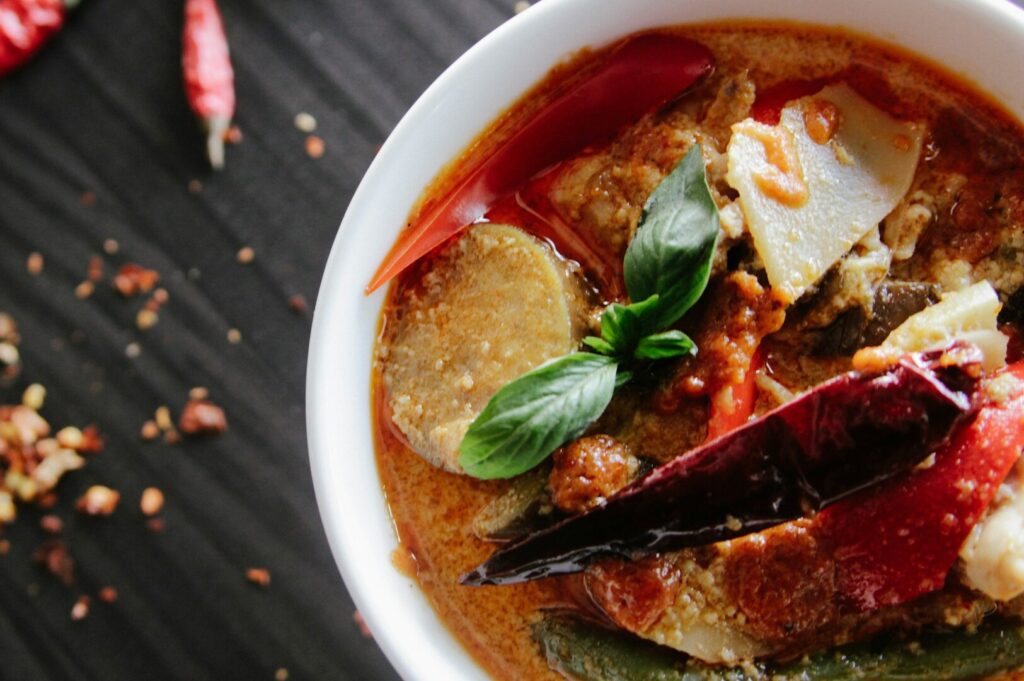
Before diving into the cooking, it’s important to understand what “curry” means in Thailand. Unlike the curry powder common in other cuisines, a Thai curry (gaeng) is a complex dish built around a fresh curry paste of herbs and spices. It’s a masterclass in balancing four key flavor profiles: spicy, sweet, salty, and sour.
Bangkok, as the bustling crossroads of Thailand, is the perfect place to learn. The city’s local market is a melting pot of ingredients from every region, and its cooking classes are run by passionate experts dedicated to preserving and sharing their culinary heritage. A good thai cooking class bangkok doesn’t just give you a recipe; it teaches you the why behind the what, explaining the role of each ingredient and the importance of technique. Understanding the curry paste is crucial because it defines the flavor of the entire dish. A quality class will guide you through an authentic recipe, ensuring you use traditional methods and ingredients for true Thai flavors.
The Curry Rainbow: Exploring Green Curry and Authentic Thai Green Curry Paste
Our day began with a lesson on the different types of Thai curries, each with its own unique personality and flavor profile. While there are countless regional variations, we focused on the most famous ones.
-
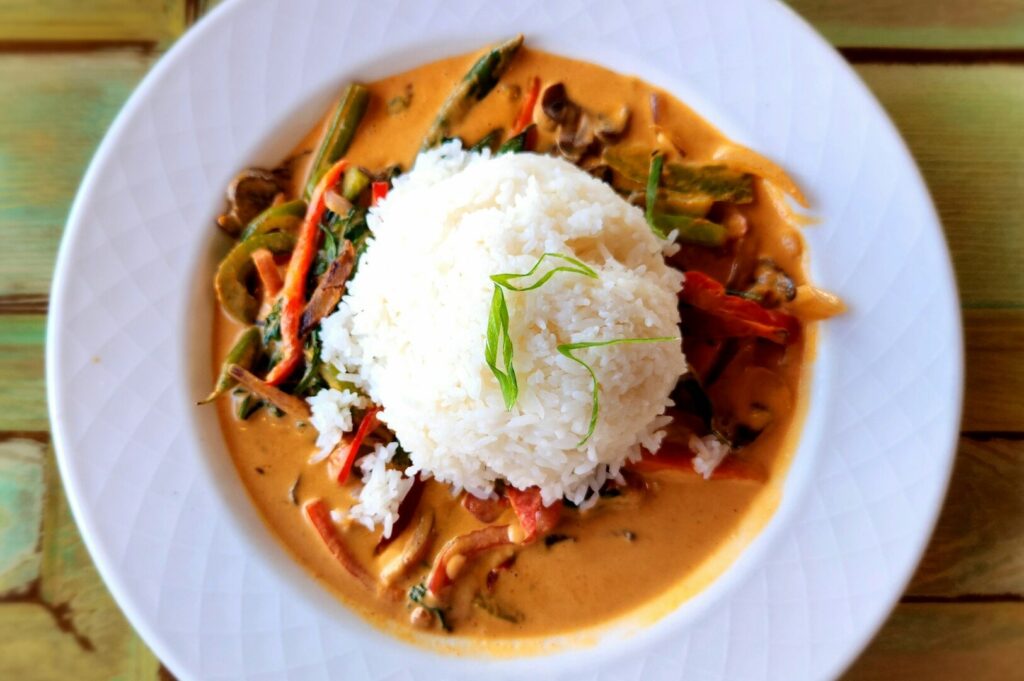
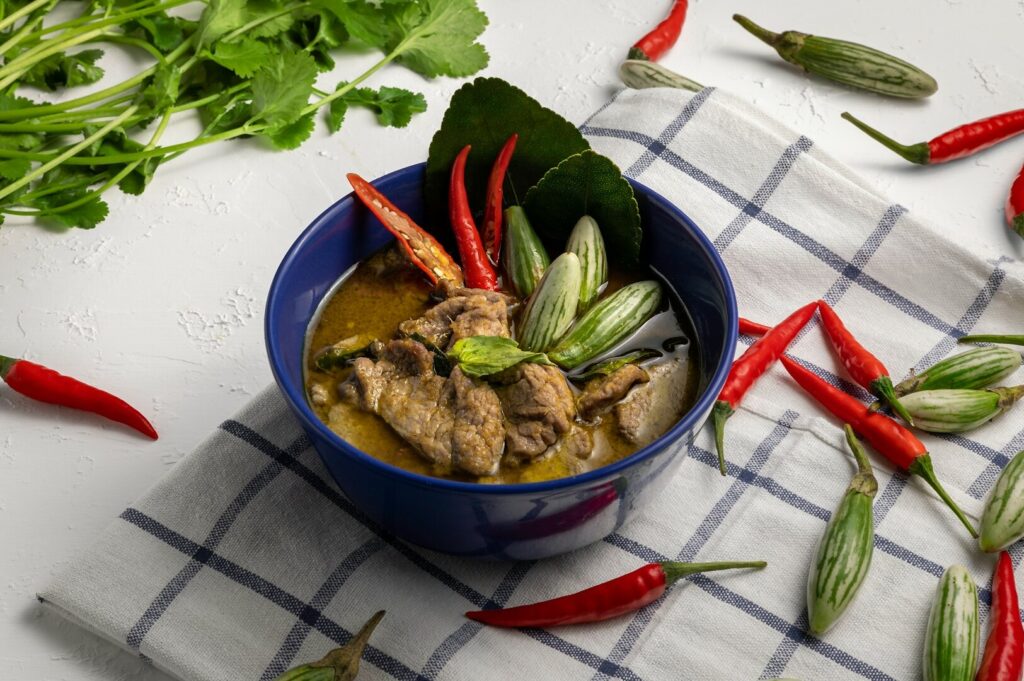
Green Curry (Gaeng Keow Wan): The spiciest and most aromatic of the bunch, its vibrant color and fiery kick come from fresh green bird’s eye chilies. The name translates to “sweet green curry,” referring to the sweetness of the coconut milk that balances the heat. Making an authentic thai green curry involves mastering the green curry paste, which is the foundation of this dish. To achieve the true flavors of Thai cuisine, it’s essential to use an authentic recipe that follows traditional methods and ingredients. The best Thai green curry is made at home with full-strength ingredients, resulting in an authentic taste that stands out from street food versions.
-
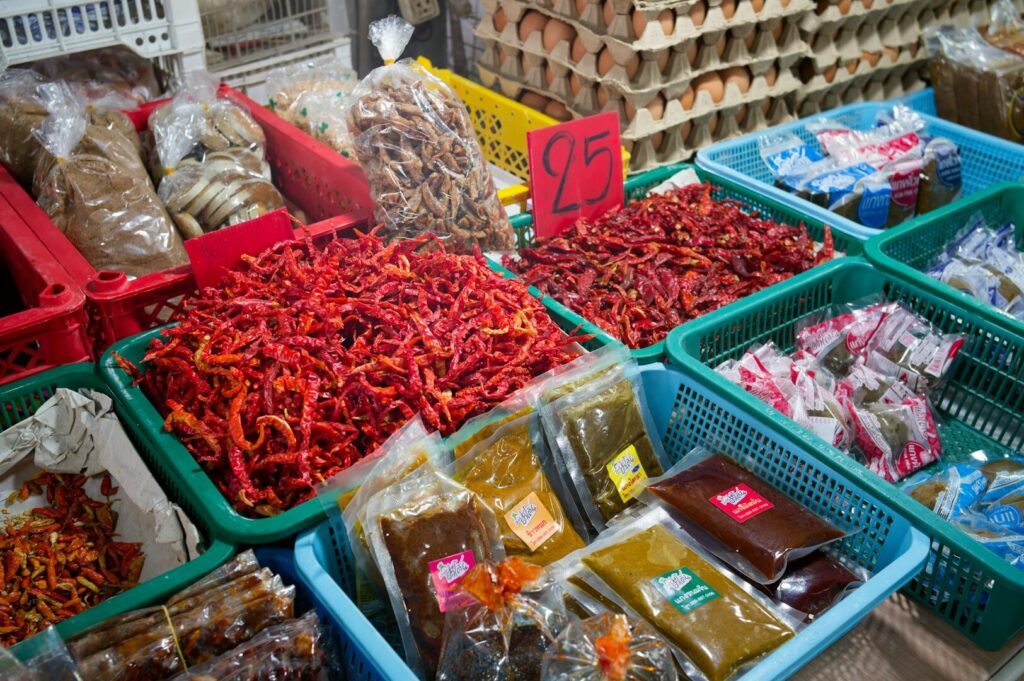
Red Curry (Gaeng Phet): This is a versatile, robust curry made from a paste of dried red chilies. It’s spicy, but generally less so than green curry, with a deep, savory flavor.
-
Yellow Curry (Gaeng Kari): Influenced by Indian and Muslim cuisines, yellow curry is milder and richer, getting its color and characteristic flavor from turmeric, cumin, and coriander seeds. It’s often cooked with potatoes and onions.
-
Massaman Curry: A rich, fragrant, and mild curry with Persian and Indian roots. Its paste includes more dry spices like cardamom, cinnamon, and cloves, and it’s typically made with beef or chicken breast, potatoes, and peanuts.
-
Panang Curry: A thick, sweet, and nutty curry that is less soupy than its red or green cousins. It’s characterized by the flavor of roasted peanuts mixed into the curry paste.
A Typical Day: From Local Market to Plate in a Bangkok Food Tour Style Cooking Class
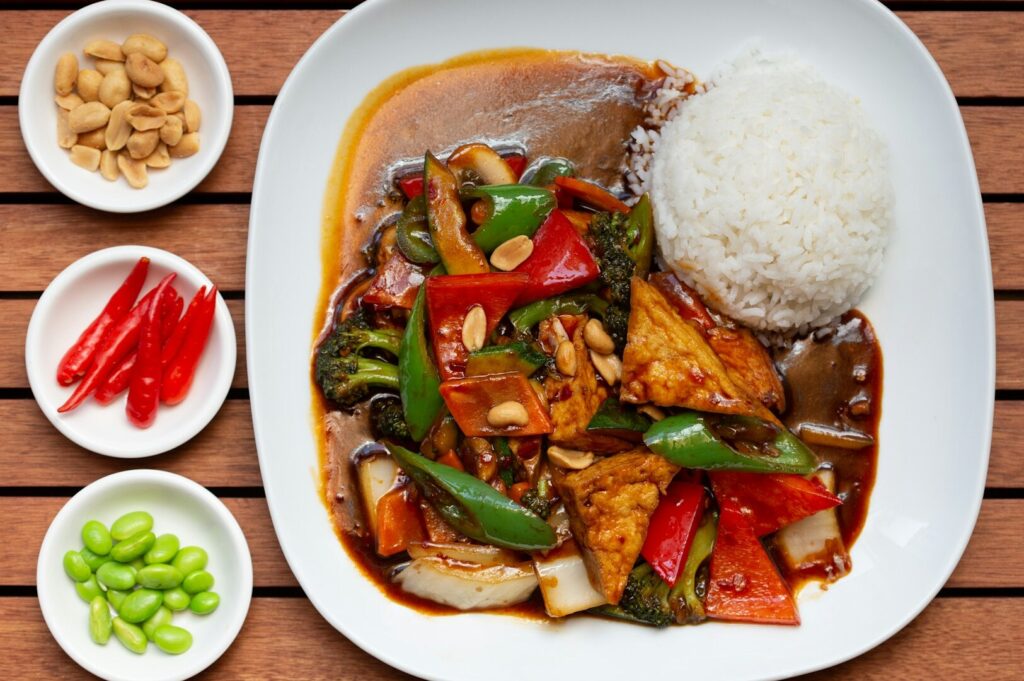
Most bangkok food tour style cooking schools follow a similar, wonderfully immersive structure. These are among the most popular cooking classes in Bangkok for tourists seeking hands-on culinary experiences.
Part 1: The Local Market Tour – A Food Tour Experience
Markets like Bo Bae Market and Nang Loeng Market are known for their authentic local foods and vibrant atmosphere. This wasn’t a tourist trap; it was where local residents did their daily shopping. As we explored, we encountered street food vendors offering traditional Thai dishes, adding to the lively and authentic experience. Ploy pointed out key ingredients, letting us smell, touch, and taste as we went. We learned to identify galangal (sharper and more citrusy than ginger), kaffir lime leaves (with their unmistakable floral aroma), and the tiny, bitter pea eggplants that pop in your mouth. The market tour was a crucial first step, connecting us directly to the source of the flavors we were about to create.
Part 2: Hands-On Cooking Classes: Making Curry Paste and Curry with Chicken
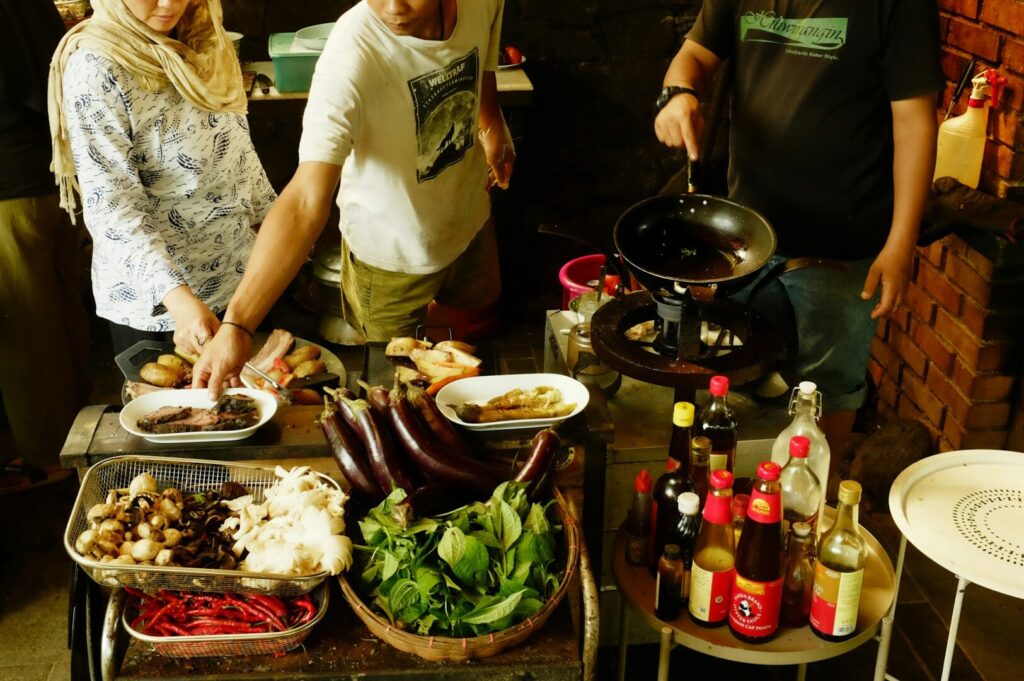
Back at the school’s open-air kitchen, we each had our own cooking station, complete with a wok and fresh ingredients. The first task was to make our own curry paste from scratch using a traditional stone mortar and pestle. Pounding together lemongrass, galangal, cilantro roots, lime zest, Thai green chilies (for heat and color), and shrimp paste was hard work, but the explosion of aroma as the ingredients broke down was pure magic. Ploy explained that while most Thai households now use store bought paste for convenience, understanding how to make it from scratch teaches you the soul of the dish. Store bought paste is quick and easy, but homemade offers fresher, more vibrant flavors. If you’re interested in Thai red curry, you can use red curry paste instead, either homemade or store bought.
When preparing the chicken, we cut it into bite sized pieces to ensure even cooking and the best texture. For the curry, we heated the wok over medium high heat and added a generous spoonful of our freshly made curry paste, cooking it until fragrant to develop deep flavor. Then, we stirred in coconut cream for a rich, creamy texture, followed by common vegetables like pumpkin, green beans, and Thai eggplant (sliced and added for authentic flavor and texture). In some regional variations, unique ingredients like winter melon are also included.
Before serving, we did a taste test to adjust the seasoning. For garnish, we added sliced spur chilies for color and a touch of extra spice. Once everything was perfectly cooked, the dish was finished cooking and ready to serve.
Part 3: The Feast: Enjoying Authentic Thai Green Curry and More
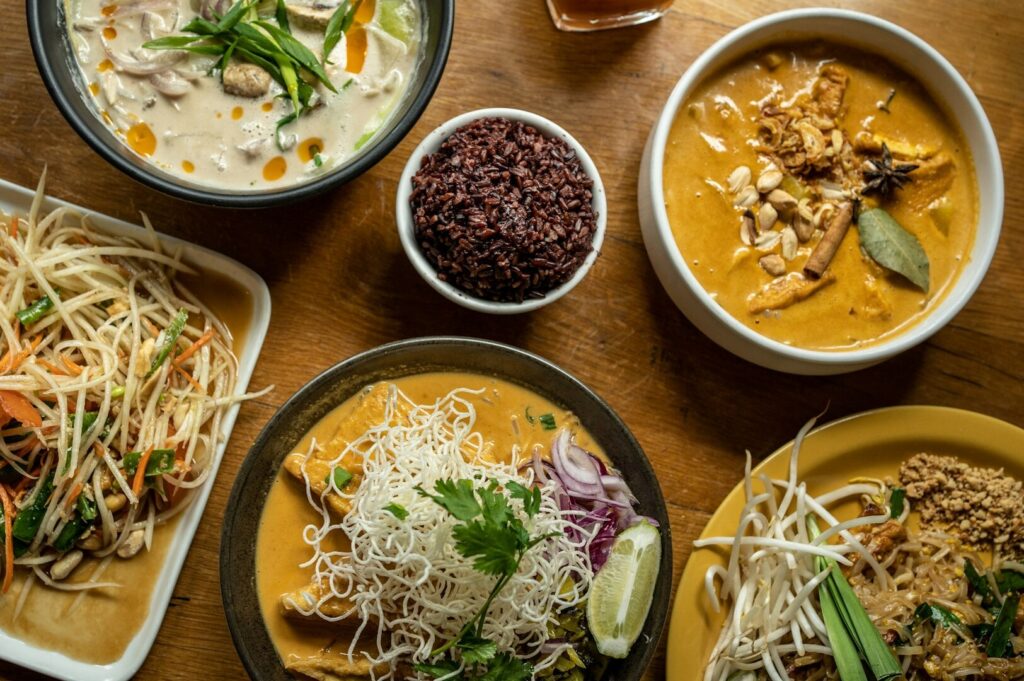
The best part of any cooking class is, of course, eating your creations. We sat down together to enjoy the fruits of our labor, savoring the authentic Thai green curry we had made, served over fragrant jasmine rice to complete the authentic Thai dining experience, alongside other dishes like mango sticky rice and tom yum soup. The flavors were brighter, fresher, and more complex than anything I’d ever had from a restaurant.
Understanding Thai Culture: The Heartbeat Behind Every Curry
In Thailand, food is far more than just sustenance—it’s the heartbeat of daily life, a celebration of community, and a living expression of tradition. Every bowl of Thai curry, whether it’s a fiery green curry or a comforting red curry, carries with it the stories of generations and the spirit of togetherness. Sharing a meal, especially dishes like Thai green curry chicken or pad Thai, is a cherished ritual that brings families and friends closer, turning every table into a place of laughter, conversation, and connection.
Cooking in Thailand is a labor of love, often passed down from parent to child, with each generation adding their own twist to classic recipes. The art of balancing curry paste, fish sauce, shrimp paste, and coconut milk is a skill honed over years, resulting in curries that are as complex as they are comforting. Even when using store bought curry paste, Thai cooks know how to coax out the best flavors, always finishing with a handful of Thai basil or a sprinkle of lime leaves for that unmistakable aroma.
For anyone eager to truly understand Thai food, there’s no better way than to dive into the local culture through a Bangkok food tour or a hands-on cooking class. Wandering through street food stalls, tasting curries simmering in giant pots, and learning the secrets behind each dish will open your eyes—and your taste buds—to the rich tapestry of Thai cuisine. Whether you’re an adventurous eater or just beginning your journey with Thai curries, embracing the culture behind the food will transform every bite into a memorable experience.
How to Choose the Right Cooking Classes and Food Tours in Bangkok
Bangkok has a huge number of cooking classes and Bangkok food tours, so it can be hard to choose. Many visitors seek out the best Bangkok food tour for a truly immersive culinary experience led by local experts. Here are a few tips:
Look for Small Class Sizes: A smaller group ensures you get more personal attention from the instructor.
Check for a Local Market Tour: The market visit is an invaluable part of the experience. Make sure it’s included.
Read Reviews: Look at recent reviews on travel sites to get an honest opinion of the experience, the instructors, and the quality of the food.
Consider the Menu: Some schools offer set menus, while others let you choose which dishes you want to learn. Pick one that includes the curries you’re most interested in.
Look for Hands-On Experience: Ensure the class is truly hands-on, where you have your own station, rather than just a demonstration.
Choose Knowledgeable Tour Guides: Experienced tour guides can enhance your experience, manage the pace, and accommodate dietary needs, making your tour more enjoyable and personalized.
If you want to combine a cooking class with exploring local flavors, consider joining a bangkok backstreets food tour or a bangkok food tour that includes a local market visit, such as the Siam Bangkok food tour.
Recreating the Magic at Home: Tips from a Bangkok Cooking Class Bangkok
The best souvenir from a thai cooking class bangkok is the knowledge you take with you. The idea of recreating an authentic Thai curry at home can seem daunting, but Ploy left us with some key takeaways.
-
Invest in a Good Curry Paste: If you’re not making it from scratch, buy a quality, imported Thai brand like Mae Ploy or Maesri.
-
Don’t Skip Frying the Paste: This is the most important step for building flavor.
-
Use Full-Fat Coconut Milk: “Light” coconut milk will result in a sad, watery curry.
-
Taste and Adjust: The final step is always to taste your curry and balance the flavors. Does it need more fish sauce, sweetness (palm sugar), or sourness (a squeeze of lime juice)?
Your Own Culinary Adventure Awaits: Book a Thai Cooking Class Bangkok or Food Tour Today
A day at a Bangkok cooking school or joining a bangkok food tour is an unforgettable experience that goes far beyond a simple meal. It’s an interactive, aromatic, and delicious dive into the heart of Thai culture. You leave not just with a full stomach, but with the skills and confidence to bring a true taste of Thailand into your own home.