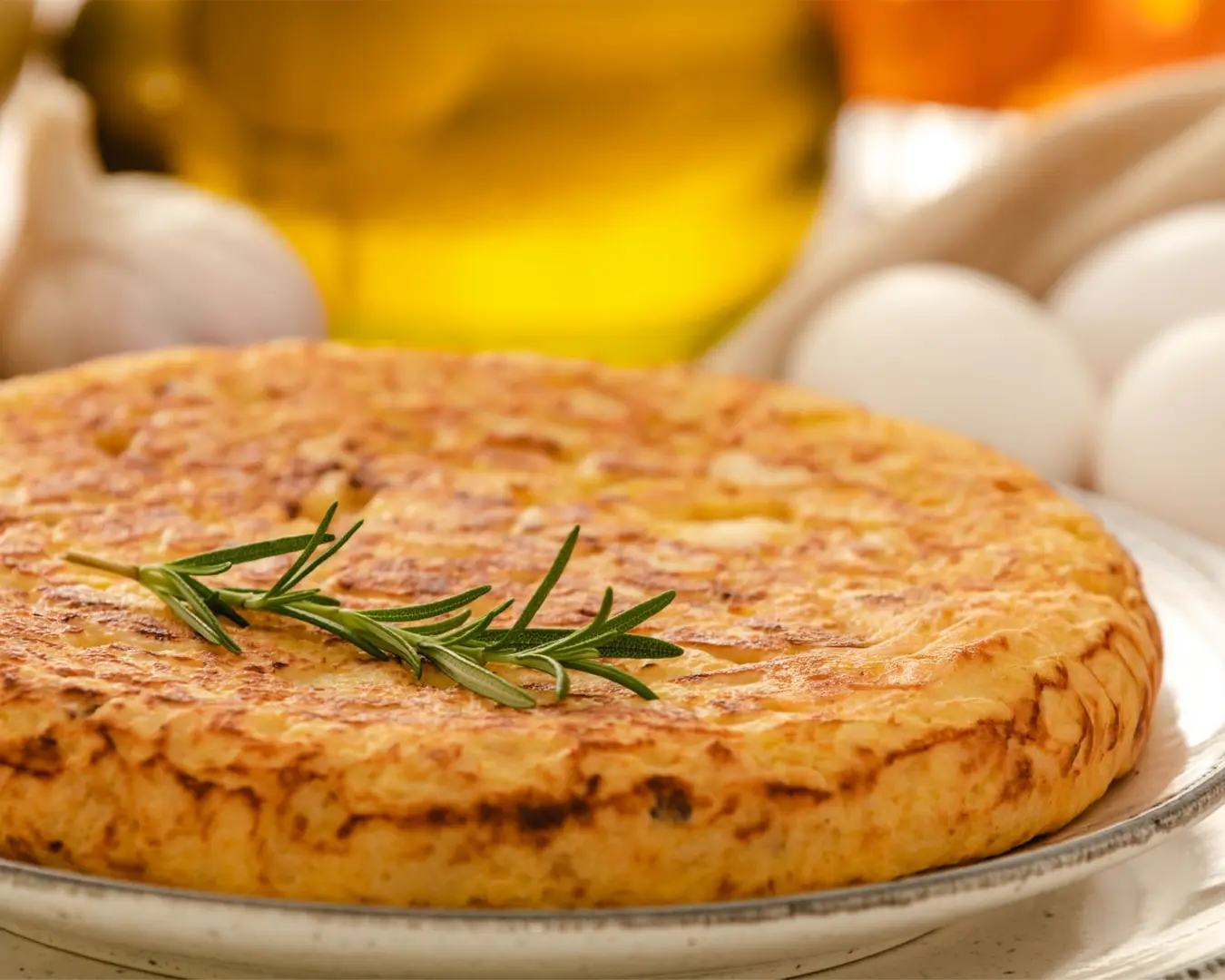
The Spanish tortilla, or tortilla de patatas, is a beloved national dish known for its simple ingredients yet complex balance. Whether called tortilla española or Spanish omelette, this potato omelette is a staple in Spanish recipes, enjoyed across the country in tapas bars, homes, and restaurants. Central to its success is the perfect potato-to-egg ratio, which determines texture, flavor, and overall harmony.
This dish’s charm lies in its rustic simplicity combined with the skill required to achieve the ideal consistency. The potatoes must be tender but not mushy, the eggs cooked just enough to bind without drying out, and the onions, if included, add a subtle sweetness that enhances the overall flavor profile. The tortilla de patatas embodies the essence of Spanish comfort food, showcasing how a few quality ingredients can create a satisfying and versatile meal.
Historically, the Spanish tortilla has been a nourishing and economical dish, often made to feed families with minimal ingredients but maximum flavor. Its versatility allows it to be served as a tapa, a light lunch, or a hearty dinner, enjoyed warm, at room temperature, or even cold. Mastering the potato-to-egg ratio is key to replicating this traditional dish authentically and delightfully.
The Essence of a Great Spanish Tortilla Recipe
At its core, the tortilla de patatas combines thinly sliced potatoes and onions gently cooked in olive oil, then bound with beaten eggs. The quality of ingredients, especially the use of extra virgin olive oil and waxy potatoes like Yukon Golds or red potatoes, greatly influences the final dish. The potatoes and onions are cooked slowly in hot oil over medium heat until fork tender but not browned, creating a tender potato mixture. This slow cooking process ensures the potatoes absorb the flavors of the olive oil and onions while maintaining their shape and texture, which is essential for the characteristic mouthfeel of the tortilla.
Using yellow onion or white onion adds a subtle sweetness and depth of flavor, balancing the richness of the eggs and potatoes. The choice of cooking temperature is crucial—medium heat allows the potatoes to soften evenly without crisping or burning, preserving the traditional softness of the dish. After cooking, the potatoes and onions are carefully drained to remove excess oil, which helps prevent greasiness and ensures the tortilla has the perfect consistency when combined with the beaten eggs. This attention to detail in ingredient selection and cooking technique is what sets apart an authentic and delicious Spanish tortilla recipe from a simple potato omelette.
Slice the Potatoes: Foundation of the Tortilla
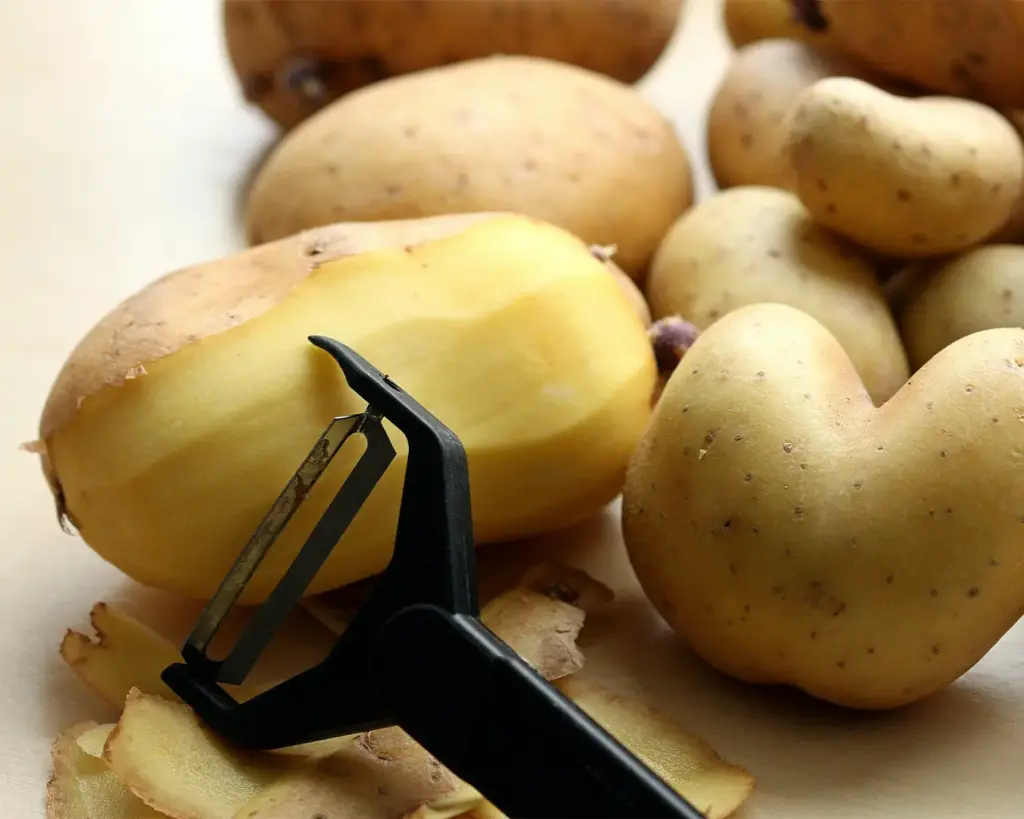
To achieve the ideal texture, slice the potatoes thinly—about 1/8 inch thick—into uniform potato slices or thin slices. Yukon gold potatoes are preferred for their creamy texture and ability to hold shape during cooking. After slicing, rinse and drain the potatoes to remove excess starch, then pat dry. This step ensures the potatoes cook evenly and absorb the egg mixture without becoming soggy.
Slicing the potatoes uniformly is crucial because it allows for even cooking, preventing some pieces from becoming mushy while others remain undercooked. Yukon gold potatoes are favored not only for their creamy texture but also because they have a balanced starch content that helps the tortilla hold together well without falling apart. Rinsing the potatoes removes surface starch, which can cause the slices to stick together or create a gummy texture. Patting them dry after rinsing helps reduce moisture, ensuring that when cooked in olive oil, the potatoes achieve a tender yet firm consistency that is essential for the classic Spanish tortilla experience.
Cooking Potatoes and Onions in Olive Oil
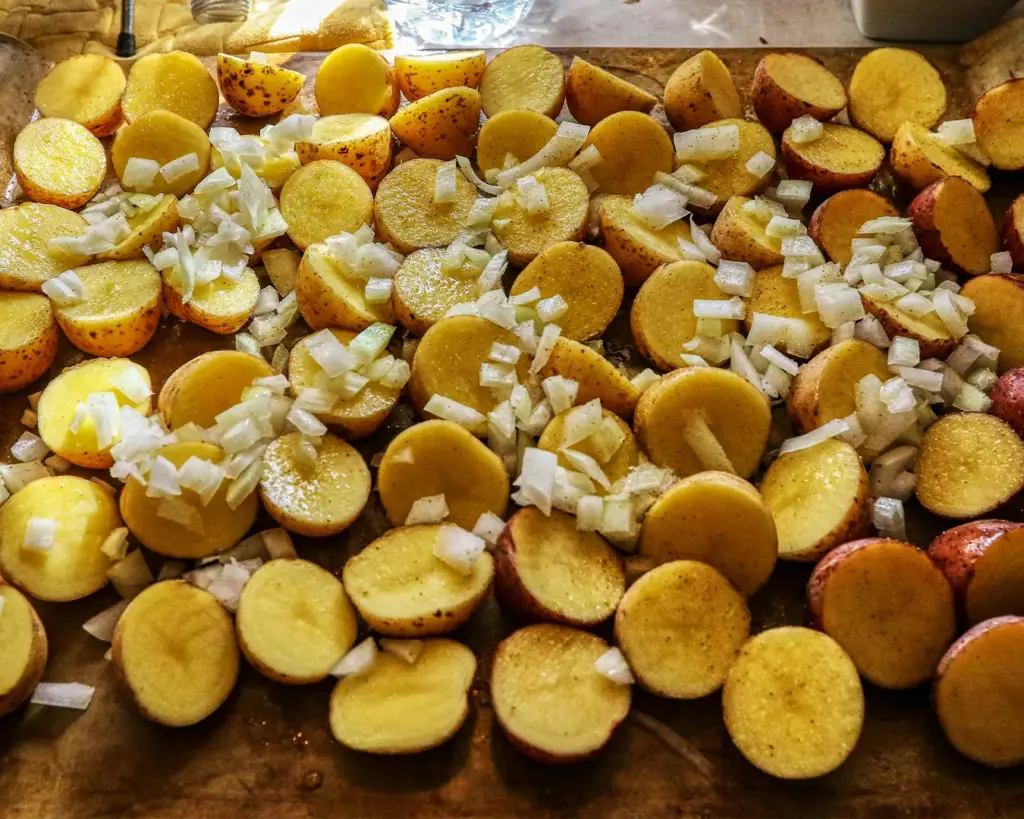
In a large skillet, heat a generous amount of extra virgin olive oil over medium heat. Add the thinly sliced potatoes and yellow or white onion, seasoning with a generous pinch of salt. Stirring occasionally, poach the potatoes and onions gently, allowing them to soften and become fork tender without browning. This slow cooking process is crucial to developing the soft texture that defines a classic Spanish tortilla.
Once cooked, drain the potatoes and onions to remove excess oil, reserving the oil for later use in cooking the tortilla.
Combining Egg and Potato Mixture
Allowing the potato and egg mixture to rest is a crucial step in developing the signature texture of the Spanish tortilla. During this resting period, the potatoes soak up the beaten eggs, which helps bind the ingredients together more effectively when cooked. This results in a tortilla that holds its shape well while maintaining a creamy, tender interior. Additionally, this pause gives the flavors a chance to meld, ensuring each bite is rich and well-balanced.
Skipping this step might lead to a tortilla that is crumbly or lacks the traditional custardy consistency that defines an authentic Spanish tortilla recipe. For best results, use fresh eggs and ensure the potatoes and onions are still warm when combined, as this temperature aids in the absorption process. This technique, though simple, exemplifies the care and attention to detail that makes this easy Spanish recipe a beloved classic in Spanish cuisine.
Cooking the Spanish Omelette: Medium Heat and Patience
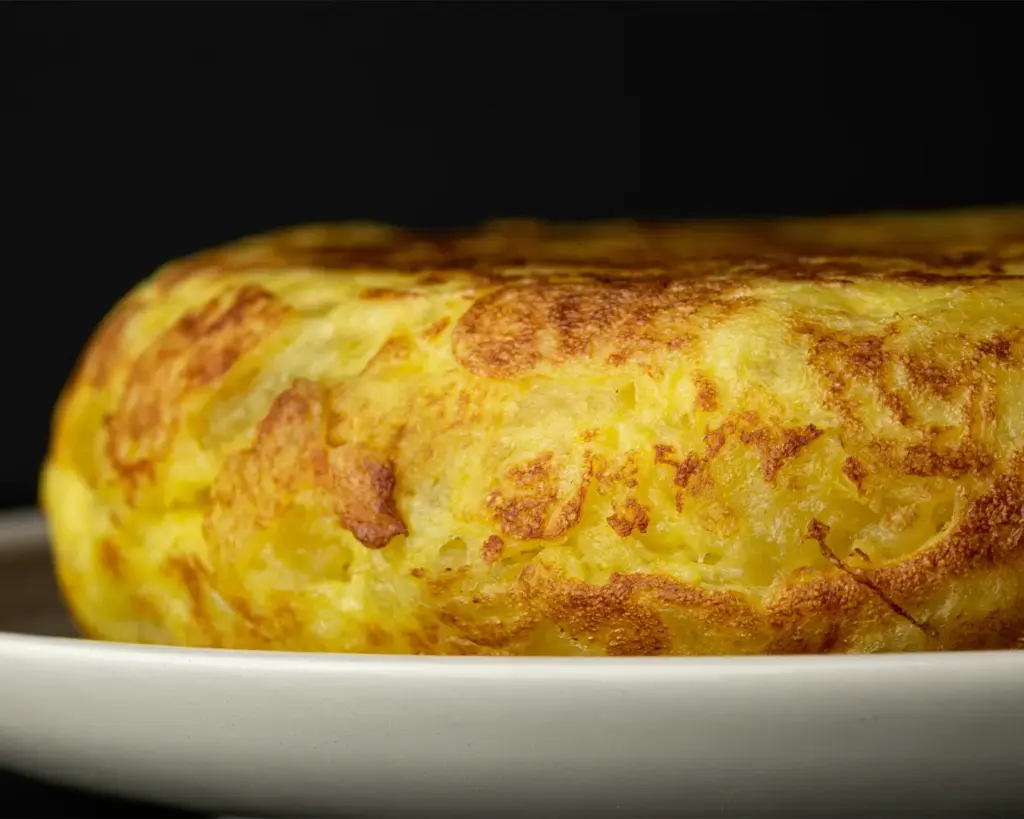
Return a few tablespoons of the reserved olive oil to the same skillet and heat over medium heat. Pour in the egg and potato mixture, spreading it evenly with a rubber spatula to form a smooth surface. Cook the tortilla over medium heat for about 4-6 minutes until the edges are set and golden brown, while the center remains slightly wobbly.
This initial cooking phase is crucial as it allows the bottom of the tortilla to develop a beautiful golden crust, adding texture and flavor to the dish. Maintaining medium heat ensures the potatoes cook through gently without browning too quickly, preserving the classic softness and creaminess inside. Using a rubber spatula to spread the mixture evenly helps create a uniform thickness, which is essential for even cooking and an attractive presentation.
The Art of the Flip: Carefully Flip and Slide Back
Beekeeping in Provence is more than a craft—it’s a celebration of nature’s bounty and human passion. From the delicate lavender honey to the wild garrigue, each jar tells a story of the sun, flowers, and dedicated producers who carry forward this heritage. On your next visit to France’s south, treat yourself to this sensory journey. Discover the subtle flavors, the creamy textures, and the timeless beauty of Provençal honey—an authentic taste of a region where nature and tradition meet at the hive.
Serving and Storing Your Tortilla de Patatas
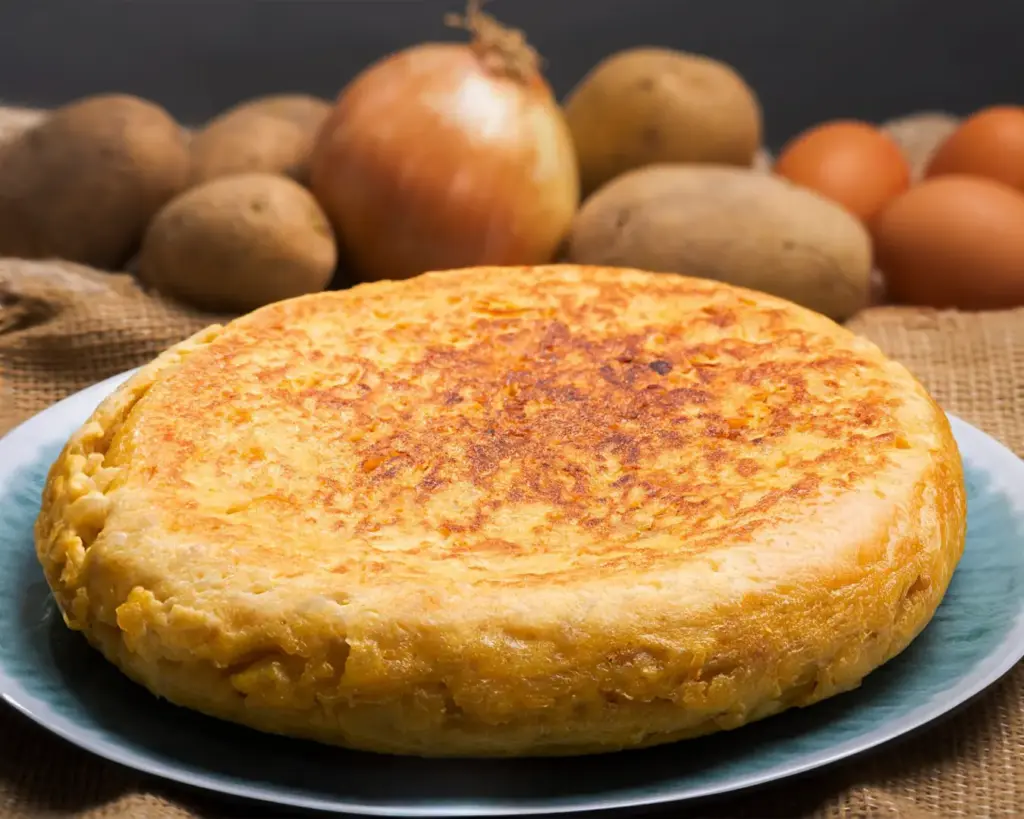
The Spanish tortilla is traditionally served warm or at room temperature, often with a side of green salad and a warm baguette. It pairs beautifully with garlic shrimp and other classic Spanish dishes. To store leftovers, let the tortilla cool completely, then wrap it tightly in plastic wrap or place it in an airtight container. Refrigerate and consume within three days. Reheat gently in the same skillet with a little olive oil or enjoy cold.
Variations and Tips for Perfection
- Adjust the potato-to-egg ratio to suit your preference, from creamy and runny to firm and structured.
- Add green pepper or other vegetables for color and flavor.
- Use a rubber spatula during cooking to shape the tortilla and prevent sticking.
- Avoid cooking over high heat to prevent burning.
- Practice flipping over the sink to minimize mess.
Serving Suggestions
Spanish tortilla is incredibly versatile and can be enjoyed at any time of day. For breakfast, serve it alongside fresh tomatoes or a slice of crusty bread drizzled with extra virgin olive oil. As a tapa, it pairs well with olives, manchego cheese, and a glass of Spanish red wine or refreshing sangria. For a light lunch or dinner, accompany it with a mixed green salad dressed with sherry vinegar and olive oil, or with roasted vegetables.
Ingredient Variations
While the classic Spanish tortilla consists of potatoes, onions, eggs, and olive oil, many variations exist to suit different tastes. Some recipes incorporate chorizo or cooked green peppers for added flavor and texture. Others include zucchini or spinach to introduce more vegetables. Experimenting with different types of potatoes, such as red potatoes or waxy Yukon Golds, can also affect the texture and taste of your tortilla.
Cooking Tips for Best Results
- Use a non-stick skillet to make flipping and cooking easier.
- Ensure potatoes are thinly sliced and cooked until just fork tender for the ideal texture.
- Let the egg and potato mixture rest before cooking to allow the flavors to meld and the eggs to absorb moisture.
- When cooking, maintain medium heat to avoid burning while ensuring the tortilla cooks evenly.
- To flip the tortilla safely, cover the skillet with a large plate and flip quickly over the sink to catch any spills.
By following these tips and exploring variations, you can perfect your Spanish tortilla recipe and enjoy this beloved dish in many delicious forms.
The Difference Between Spanish Tortilla and Italian Frittata
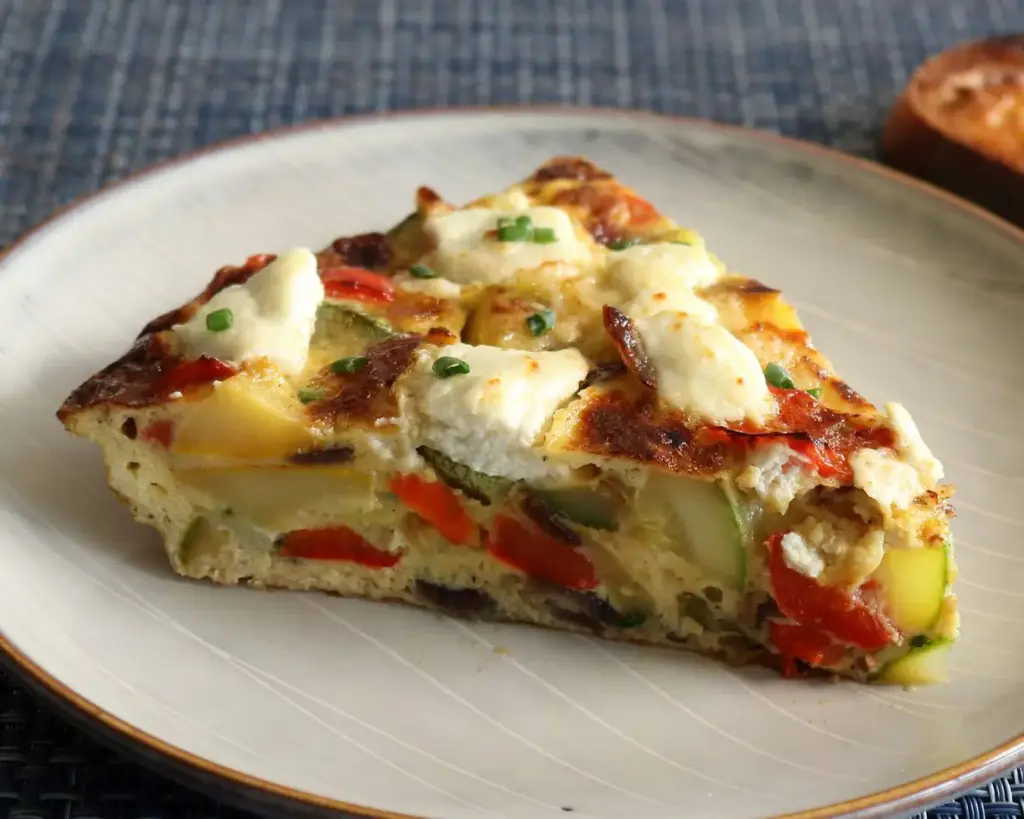
While both are egg dishes, the Spanish tortilla focuses on the potato and onion base cooked slowly in olive oil and flipped to cook evenly on both sides. The Italian frittata often includes additional ingredients and finishes in the oven, resulting in a lighter texture.
Mastering this easy Spanish tortilla recipe unlocks a world of authentic Spanish flavors and culinary tradition. For more inspiration, download our free e cookbook with classic Spanish recipes.
If you enjoyed this tortilla recipe, please leave a comment something below and share your required recipe ratings. Your feedback helps us improve and brings more great recipes your way! For more delicious recipes and culinary inspiration, be sure to visit my website at Wander Bites SG and discover new flavors from around the world.