The kitchen fills with the clean, earthy scent of steamed glutinous rice. On the counter rests a warm, amber-colored disc—Niangao, the iconic “year cake” synonymous with the Lunar New Year. For many, the next steps are familiar: slice it, dip it in egg, and pan-fry it until the edges are crisp and the inside oozes molten sweetness. This sugary delight is the flavor of celebration, family, and the hope for prosperity in the new year.
But sweetness wasn’t always part of Niangao’s story. Before the addition of brown sugar or refined cane sugar, Niangao was a dish of practicality. Its origins are deeply tied to survival, agriculture, and tradition. To understand Niangao only through its modern sugary lens is to miss its deeper history—one rooted in sustenance and symbolism. As we prepare for Chinese New Year with modern indulgences like pen cai delivery, cny set menus, and festive season cny takeaway menu bundles, it’s important to remember the humble origins of dishes like Niangao and the stories they carry. Pen Cai, also known as Poon Choi, is a traditional Cantonese dish that combines meat, seafood, and vegetables, and is often served as a centerpiece during Chinese New Year celebrations to symbolize abundance. Pen cai delivery is especially popular in Singapore during the festive season.
Niangao Before Sweetness: A Story of Preservation and Function
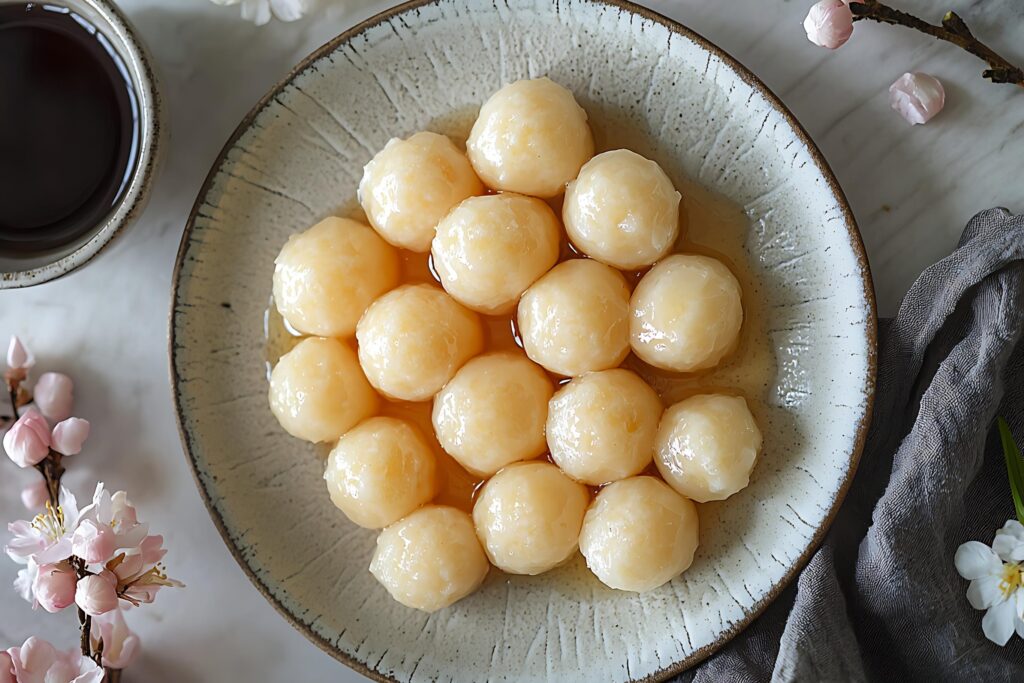
Long before sugar became a pantry staple, Niangao was created as a practical solution to seasonal scarcity. Made from glutinous rice, a valuable agricultural product, Niangao was compacted into dense, chewy cakes. This method of preparation preserved the rice, making it a reliable food source during the harsh winter months when fresh crops were scarce.
In agrarian societies, Niangao fed families through lean times, much like pen cai, a traditional treasure pot that symbolized abundance during festive seasons. Pen cai is often packed with premium ingredients for festive occasions, including abalone, sea cucumber, fish maw, and various meats. The dish is packed with layers of seafood and meat, emphasizing prosperity and celebration. Similarly, Niangao was not about flavor but about utility. Its neutral taste made it versatile—it could be boiled, steamed, or pan-fried with savory ingredients like Chinese sausage, preserved vegetables, or dried meats. These preparations now feel distant from the sugary versions many enjoy today, but they reflect the resourcefulness of the past.
Texture was paramount. The dense, chewy consistency, known as Q or QQ in Mandarin, was a sign of proper preparation. A firm, well-made Niangao lasted longer and offered more sustenance, a critical feature for families working to stretch enough food through the winter. Sweetness, then, was a luxury that many couldn’t afford.
A Chinese New Year Dish Full of Meaning
Beyond its practicality, Niangao carried symbolic weight. In Mandarin, the name Niangao (年糕) sounds like “year high” (年高), embodying a wish for progress and prosperity in the coming year. Eating Niangao was seen as a step toward abundance, whether that meant a higher position, income, or state of being.
This symbolism made Niangao central to Lunar New Year celebrations, much like the reunion dinner (yang ming seafood, pen cai delivery, or buddha jumps set menus that dominate today’s dining trends). Families offered Niangao to ancestors and deities as a gesture of gratitude and hope for the coming year. Like yusheng, the dish represented togetherness and continuity, connecting generations and reinforcing familial bonds. Ordering Pen Cai allows families to enjoy a restaurant-quality reunion dinner at home, with the dish conveniently delivered for festive gatherings.
The preparation of Niangao often involved the collective effort of entire families, with members taking turns pounding the rice dough. This communal activity was as meaningful as the dish itself, a ritual of unity and shared hope. Its round shape symbolized wholeness, while its sticky texture represented families “sticking together.” These qualities made Niangao more than just food; it was a vessel of cultural and emotional significance.
The Sweetening of Niangao: A Story of Change
The transformation of savory Niangao into today’s sweet version mirrors the evolution of festive foods worldwide. As trade routes expanded, sugar became more accessible. Formerly an expensive luxury, sugar entered everyday kitchens, reshaping traditional recipes. The golden hues of brown sugar or slab sugar, much like the crispy grilled bakkwa we associate with Chinese New Year today, became symbols of indulgence and prosperity.
As urbanization and modern conveniences grew, Niangao’s original purpose as a preservation food faded. With fewer families relying on it for sustenance, the door opened for Niangao to evolve into a celebratory treat. Sweetness became a hallmark of abundance, aligning with the festive spirit of Lunar New Year.
This shift mirrors the trajectory of other iconic dishes. Take pen cai, for example—a dish that once featured humble ingredients but now showcases premium ingredients like Hokkaido scallops, abalone, and sea cucumber. Traditionally, to cook Pen Cai is a labor-intensive process that can take up to eight hours, with the ingredients slow-braised for hours to achieve rich flavors and symbolic significance. This time-consuming effort is why many now prefer Pen Cai Delivery, enjoying restaurant-quality meals without the need to cook for hours themselves. Similarly, Niangao adapted to changing times while maintaining its place on the New Year table.
Regional Variations of Niangao: A Taste of History
Despite the dominance of sweet Niangao, regional variations continue to honor its savory roots. These versions are living archives of a time when flavor took a backseat to functionality.
-
Shanghai, China: In Shanghai, Niangao is sold as hard, white, oval-shaped slices, almost flavorless on their own. A classic dish, Chao Niangao, stir-fries these slices with shredded pork, cabbage, and spinach, allowing the rice cakes to absorb the savory flavors of the sauce. It’s a hearty, everyday meal, far removed from dessert.
-
Korea: The Korean equivalent, Tteokguk, is a Lunar New Year soup featuring thin, disc-shaped rice cakes in a savory broth made from beef or anchovies. Eating Tteokguk is symbolic, marking the start of a new year and another year of age.
-
Taishan (Toisan), Guangdong: In southern China, savory Niangao is often steamed with ingredients like Chinese sausage, taro, dried shrimp, and mushrooms mixed directly into the rice batter. Pan-fried into umami-rich squares, it offers a complete meal in itself.
These regional traditions, much like the diverse cny takeway set menus available today, reflect a deep and diverse history, reminding us that Niangao’s identity is far from monolithic.
Modern Niangao: A Sweet Symbol of Nostalgia
Today, the sweet version of Niangao dominates, especially among Chinese diaspora communities. Convenient, vacuum-sealed Niangao from brands like Bee Cheng Hiang flood grocery stores ahead of the Lunar New Year, offering modern families the convenience of ready-made tradition. These cakes, much like takeaway bundles or pre-ordered pen cai delivery, cater to the busy, modern lifestyle. When you order pen cai delivery, it typically arrives pre-assembled and par-cooked, often delivered hot in a claypot and ready for simple reheating. Customers can choose from a variety of set menus and premium ingredients, and can view menu details before placing an order for pen cai delivery.
The sweetness of today’s Niangao serves a psychological purpose, offering a direct link to nostalgia. For many, it recalls a childhood filled with festive gatherings, joy, and abundance. This modern iteration, paired with other Lunar New Year staples like buddha jumps or roast pork, reflects a different lived experience—a time of plenty, not hardship.
While the sugary version is delicious and comforting, it risks overshadowing the dish’s deeper history. Much like the treasure pot meals that have evolved to feature luxurious ingredients, Niangao has become a symbol of prosperity, but its roots remain humble.
Honoring the Past While Enjoying the Present
As we indulge in modern Chinese New Year feasts—complete with yang ming seafood, Hokkaido scallops, and crunchy pulled pork—it’s worth pausing to reflect on the origins of dishes like Niangao. The chewy, plain rice cakes of the past remind us of a time when food was about survival, not just celebration. They tell stories of resourcefulness, community, and hope for a better year ahead.
In the same spirit of resourcefulness, remember that leftover broth from Pen Cai is highly flavorful and can be used to create new dishes for subsequent meals, allowing families to extend the festive flavors and make the most of every ingredient.
The next time you encounter Niangao, whether at a reunion dinner, a cny takeaway set menu, or in a grocery store, take a moment to appreciate its journey. Notice its texture, its preparation, and its purpose. Perhaps even ask an elder about the versions they remember. Was it sweet? Savory? A simple staple meant to sustain? By understanding its history, we can deepen our connection to this iconic dish.
At Wander Bites Blog, these are the moments that make us lean closer to the stove, lift the lid just one more time, and ask, what’s cooking next? Because the best food stories aren’t always loud, they’re deliciously alive in the everyday.
A Dish That Bridges Past and Present
Niangao is more than just a Lunar New Year treat. It is a living dish, evolving with time and changing fortunes. Whether you enjoy it sweet or savory, fried or steamed, Niangao holds a story of resilience, creativity, and connection—values that remain at the heart of Chinese New Year celebrations.
As you plan your festive season cny takeaway menu or takeaway bundle this year, consider including dishes that honor tradition alongside modern indulgences. Pen cai, also known as Poon Choi, is a traditional Cantonese dish that symbolizes harmony and abundance during Chinese New Year celebrations. Placing an advance order for pen cai delivery is highly recommended during peak periods to ensure availability. Pen cai delivery is the perfect way to impress your guests, adding abundance and joy to your reunion dinner. Whether it’s a pen cai delivery featuring abalone and mushroom or a homemade Niangao that harks back to simpler times, let your table reflect the balance of past and present.
In every bite of Niangao, there is a story—a journey from survival food to celebratory delicacy. This Lunar New Year, as you celebrate with loved ones and friends over bamboo pith, white fungus, and dine-in specials, take a moment to savor not just the flavors but also the history behind them. After all, like Niangao itself, the heart of Chinese New Year lies in hope, gratitude, and the joy of togetherness.
Food is meant to be shared, questioned, and remembered. For more stories that sit at the intersection of culture and craving, Rubbish Eat Rubbish Grow continues the conversation—one meal, one moment, one bite at a time.