There’s no menu. That’s the first thing you notice when you step into one of the best omakase restaurants. You’re sitting at a polished hinoki wood sushi counter—just you, a handful of other diners, and a sushi chef who moves with the quiet confidence of a surgeon. The air is still, charged with anticipation. You have no idea what’s coming next, and honestly? That’s the whole point.
This is the omakase experience, a hallmark of Japanese fine dining and one of the few formal dining experiences that truly celebrates the freshest produce and seasonal specialties from Japan. I’m about to tell you why it’s one of the most thrilling, memorable dining experiences you can have in the world of Japanese cuisine.
So, pour yourself a sip of sake, get comfortable in this intimate setting, and let’s dive into the world of the omakase dining experience. This isn’t just dinner; it’s a front-row seat to edible theater at the sushi counter.
For more insights on sustainable living and waste management, visit Rubbish Eat Rubbish Grow.
What Does “Omakase” Actually Mean in Japanese Dining?
Okay, let’s get the vocabulary lesson out of the way. “Omakase” (お任せ) is a Japanese phrase that translates to “I leave it up to you.” It’s a verbal contract, a nod to the sushi chef that says, “I trust you. Bring me the finest ingredients available today.” You’re handing over the reins and giving the chef complete creative freedom to prepare a multi course meal that highlights seasonal ingredients sourced from places like Tokyo’s famed Toyosu Market.
Think of it this way: you wouldn’t tell a world-class painter which colors to use. You let them create. Omakase applies that same principle to food, transforming a simple meal into a bespoke culinary event that can only be found at select Japanese restaurants located in Ngee Ann City.
More Than a Meal: The Omakase Dining Experience
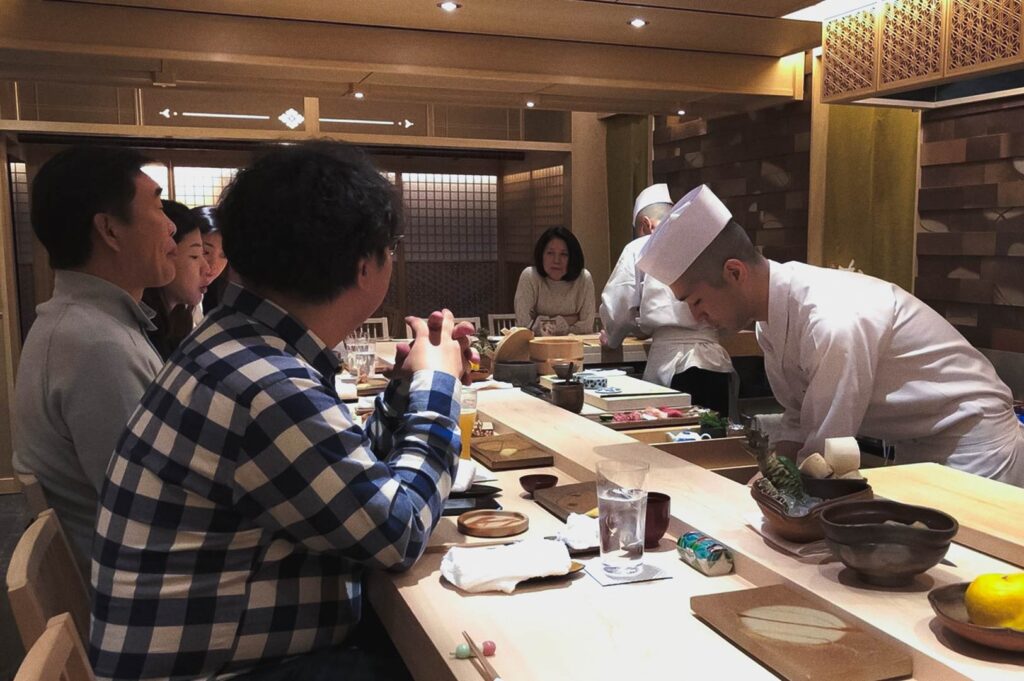
An omakase dinner is a world away from your typical restaurant experience. It’s intimate, personal, and a performance. The sushi counter isn’t just a place to eat; it’s a stage. You have the best seat in the house thanks to counter seating that brings you face-to-face with the chef, allowing you to witness the artistry and precision involved in preparing each dish.
This immersive setting often includes an omakase room or a private room for special occasions, enhancing the intimate atmosphere. The dining experience typically unfolds over a multi-course meal that progresses from lighter, delicate flavors to richer, more complex preparations, showcasing seasonal ingredients like salmon roe, sea urchin, and other premium seafood flown in fresh from markets such as Japan’s Toyosu Market.
Throughout the meal, the sushi chef carefully selects and prepares each course, often incorporating traditional techniques from kaiseki and tea ceremony influences to create a harmonious balance of taste, texture, and presentation. The use of hinoki wood counters adds to the refined ambiance, reflecting the deep cultural roots of Japanese fine dining.
Whether you are enjoying lunch or dinner, the omakase experience offers a memorable dining experience that celebrates the chef’s expertise, the art of Japanese cooking, and the joy of discovering new flavors. Many omakase restaurants, including those with Michelin stars or two Michelin stars, provide this exceptional culinary journey, making it a coveted experience for food connoisseurs worldwide.
The Sushi Chef and Diner Connection in Japanese Fine Dining
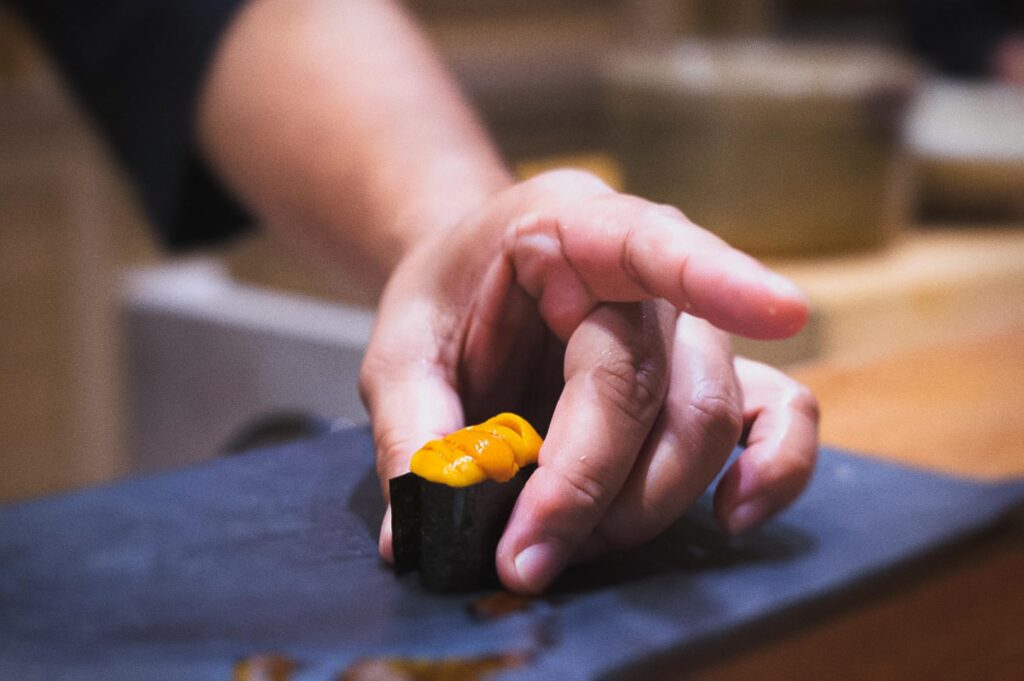
The relationship between you and the sushi chef is the heart of the journey. You’re not separated by a kitchen wall. You’re right there, watching every precise slice of fish, every delicate press of rice. The chef observes your reactions, gauges your palate and guest preferences, and might even adjust the next course based on your delight (or subtle hesitation).
I once had a chef notice my eyes widen at a piece of sea urchin (uni). For the next course, he surprised me with a different type of uni, from another region, just to show me the contrast. That’s the magic—it’s a silent, delicious conversation happening between you and the artist.
A Symphony of Seasonal Ingredients in Japanese Cuisine
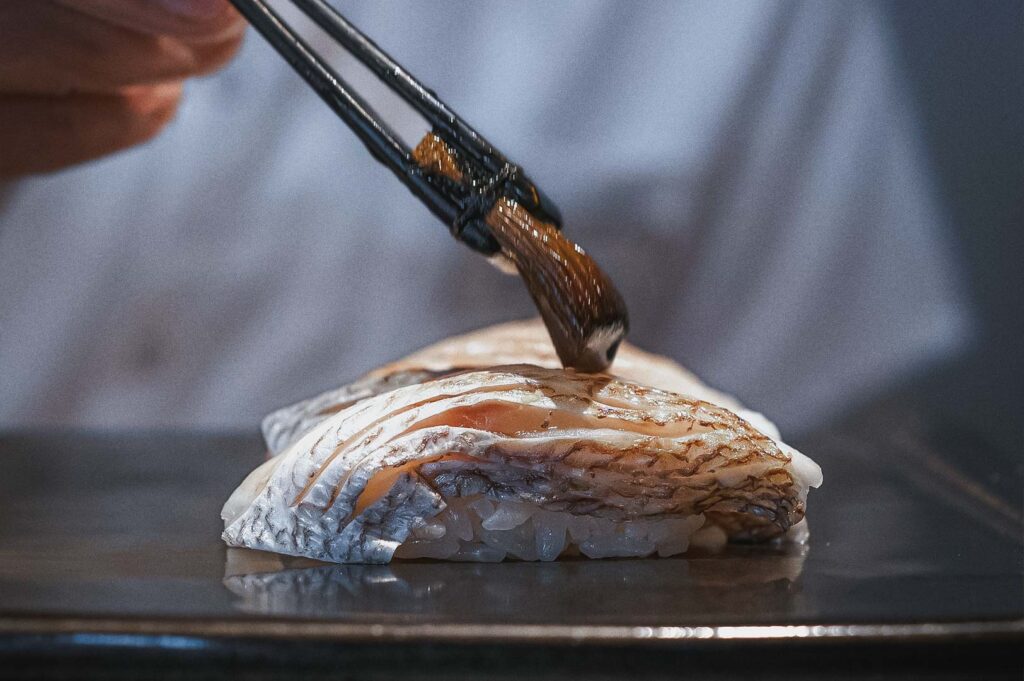
Omakase is a direct reflection of what’s happening in nature right now. The omakase menus are dictated by the seasons and what the ocean provides on any given day. The chef sources the absolute peak of what’s available, whether it’s the first catch of fatty winter yellowtail or the delicate firefly squid of early spring.
This means no two omakase experiences are ever the same. The meal you have in May will be completely different from the one you have in October. You’re tasting a specific moment in time, a snapshot of the season’s best offerings. It’s a lesson in Japanese dining culture that no cookbook can teach you.
Omakase Dining vs. Regular Japanese Dining: What’s the Difference?
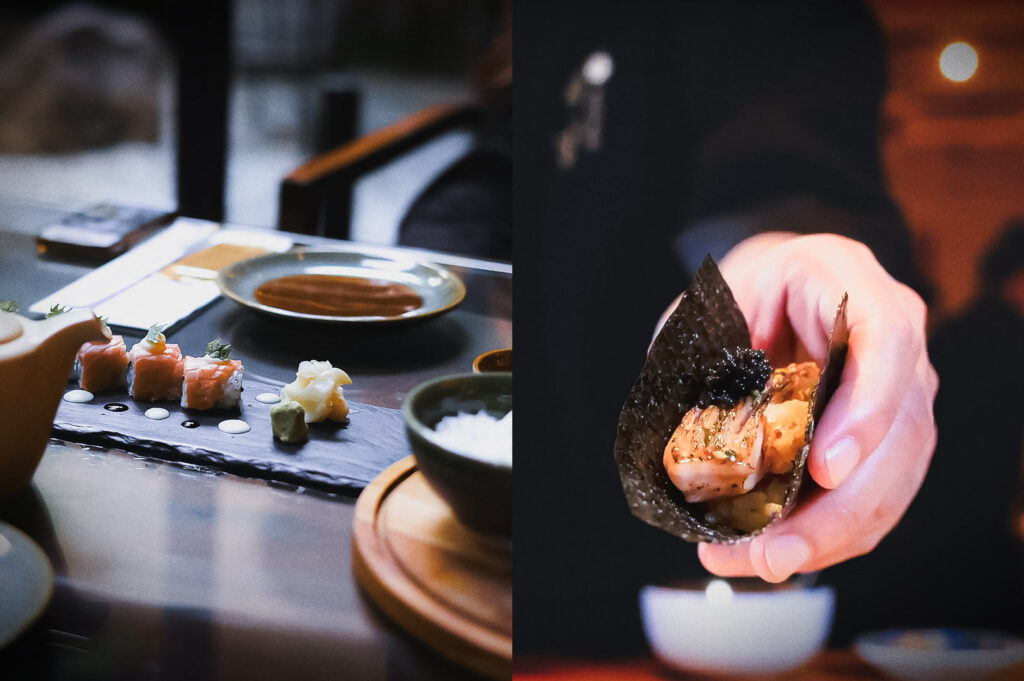
Let’s break it down. Ordering à la carte is about getting what you want. Omakase is about discovering what you didn’t even know you wanted.
À La Carte Dining:
-
You are in control.
-
You choose from a fixed menu.
-
The experience is predictable.
-
The focus is on the dish you ordered.
Omakase Dining:
-
The chef is in control.
-
The menu is a surprise, tailored to the best premium ingredients available.
-
The experience is a journey of discovery.
-
The focus is on the craft, the story, and the chef’s vision.
This chef-driven approach allows for a level of quality and creativity that a standard menu can’t match. The chef can buy small quantities of extremely rare or special fish that wouldn’t make sense for a large-scale menu. You get to taste ingredients that most diners will never encounter, from perfectly grilled fish to delicately prepared sashimi and sushi.
Your First Omakase Dining Experience: Tips and Opening Hours to Expect
Ready to take the plunge into this world of Japanese fine dining? Here are a few things to keep in mind to make your first omakase journey a smooth one.
-
Arrive on Time: Omakase is a paced meal, often served to everyone at the sushi counter at once. Punctuality is a sign of respect and ensures the meal duration flows perfectly. Check the restaurant’s opening hours to plan accordingly.
-
Eat How You Like (Mostly): It’s perfectly acceptable to use your hands to eat nigiri. Just be sure to use the provided hand towel.
-
One-Bite Wonder: Each piece is designed to be eaten in a single bite. Don’t try to nibble.
-
Go Easy on the Soy Sauce: The chef has already seasoned each piece perfectly. Dunking it in soy sauce is like telling a painter you’d like to add your own splash of color to their masterpiece.
-
Speak Up About Dietary Restrictions: Let the chef know about any allergies or major dietary restrictions before the meal begins, preferably with advance notice when booking.
Conclusion: Embrace the Omakase Experience at Sushi Masa for a Memorable Fine Dining Journey
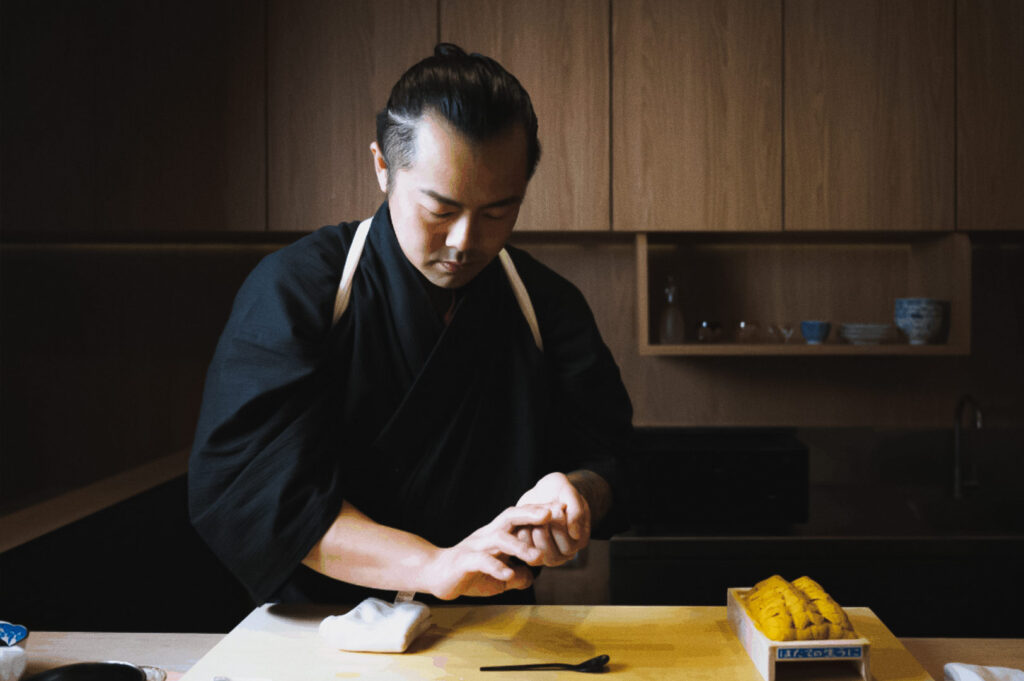
In a world where we control everything from our playlists to our newsfeeds, there is something liberating about giving up control. An omakase experience is an invitation to be surprised, to be delighted, and to connect with food on a deeper level. It’s a reminder that sometimes, the best things in life happen when you trust an expert to guide you through a comprehensive guide of seasonal ingredients and masterful preparations.
So, the next time you’re craving a culinary adventure, find a sushi counter, take a seat in an intimate setting or private room, and say the magic word: “Omakase.” You won’t just get a meal; you’ll get a story, a performance, and a memorable dining experience crafted by some of the best chefs. Whether it’s a special occasion or a desire to explore the spiritual companion that is Japanese fine dining, the omakase experience offers a unique journey through exquisite seafood, delicate sashimi, tempura, clear soup, and a thoughtfully prepared dessert.
Go on, put your trust in the chef. An unforgettable omakase dining experience awaits.