The air in the Peloponnese during autumn carries a scent you’ll never forget—damp earth, woodsmoke, and the sharp, green fragrance of freshly crushed olives. This is the season of the Greek olive harvest, or liomazoma. Families, friends, and neighbors gather to collect the fruit that has sustained them for millennia, with olives carefully harvested using traditional, artisanal methods passed down through generations. Joining in isn’t just another holiday activity—it’s a hands-on dive into olive culture, a celebration of rural Greek life, and your chance to discover how the world’s most beloved olive oil comes to life.
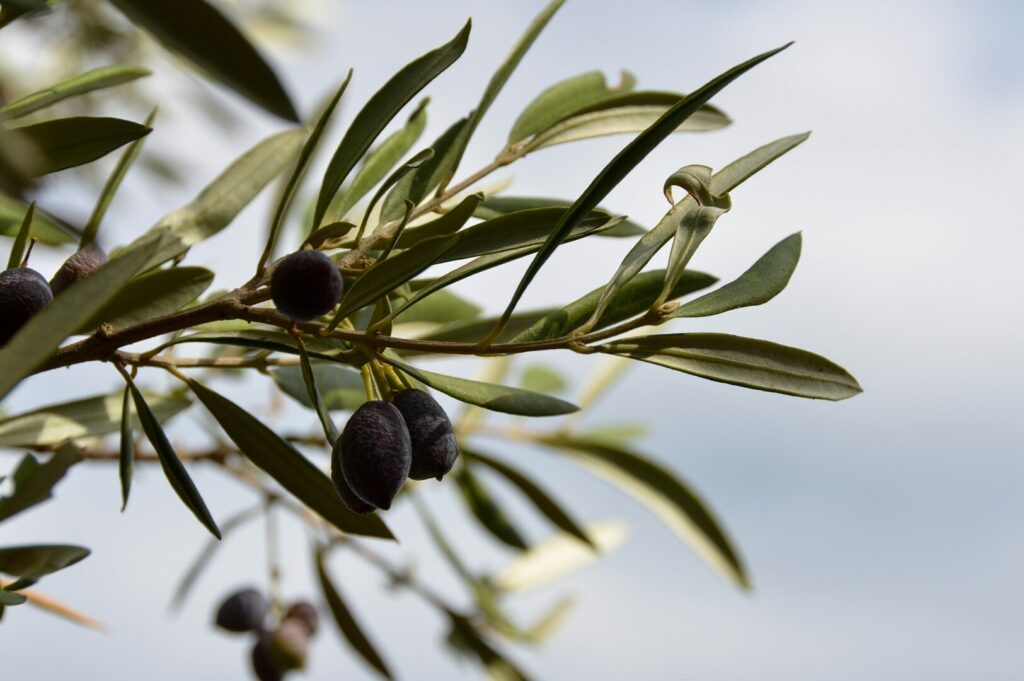
Imagine yourself in a grove of centuries-old trees, their silver-green leaves shimmering against a clear blue sky. Nets stretch beneath the branches, harvesters gently rake the fruit free, and laughter mixes with the sound of olives dropping like rain. This is not a show you watch—it’s a really immersive food experience, deeply rooted in the country’s culture and traditions, where you become part of the olive’s journey from tree to table.
The Roots of Olive Groves and Greek Olive Oil
The story of the olive in Greece is older than many myths. Cultivation here dates back more than 6,000 years. For the ancient Greeks, the olive tree was Athena’s sacred gift—symbolizing peace, wisdom, and prosperity. Its oil lit lamps, healed wounds, flavored food, and crowned Olympic champions.
Today, the olive groves stretch across the Peloponnese in a patchwork of green, especially in Kalamata, Messinia, and Laconia. The region features centuries-old olive groves, highlighting the historical and cultural significance of its longstanding agricultural traditions. Small-scale producers maintain groves where olive trees dot the hillsides, often passed down as part of each family’s own farming tradition. Visiting during harvest season means stepping into an unbroken chain of culinary traditions that link the modern Peloponnese agritourism scene with the rituals of ancient Greece.
Timing the Olive Harvest
The traditional olive harvest in Greece runs from late October through January, with each stage offering its own flavor adventure:
- Early Harvest (October–November): Farmers carefully pick unripe olives to produce agourelaio, a vivid green extra virgin olive oil bursting with grassy notes, peppery spice, and antioxidants.
- Main Harvest (November–December): The busiest period, when olives ripen and the oil smooths out into liquid gold.
- Late Harvest (January): The season closes with larger yields, softer flavors, and slightly higher acidity.
For visitors, November is often perfect: cooler temperatures, buzzing groves, and an atmosphere of celebration. After the olives are harvested, the fresh olive oil is typically ready to be tasted within a few weeks.
A Day in the Olive Groves
Joining the olive harvest means rolling up your sleeves. The day begins in a traditional olive grove, a setting rich in cultural heritage and local history. Nets are spread under the olive trees, followed by the rhythmic combing of branches using simple wooden poles or modern electric rakes. Rural women, men, and children all lend a hand. Once the nets are full, olives are gathered, sorted by hand, and packed into burlap sacks.
It’s repetitive, physical, and surprisingly fun. Between trees, you’ll share jokes, sneak bites of mouth-watering local produce, and maybe even sip a little wine. By the time the sun dips behind the stunning mountains, you’ll feel like part of a timeless tradition.
Traditional Olive Harvest vs Modern Tools
While hand-picking is still cherished, the modern olive farming village has embraced tools to ease the work:
- Traditional Olive Harvest Methods: Gentle rakes, poles, and teamwork. Labor-intensive but romantic.
- Modern Innovations: Pneumatic rakes, vibrating tools, even mechanical shakers. These save time but still rely on nets, sorting, and community spirit.
No matter the method, the result is the same—crates of olives heading to the olive oil mill.
From Olive Press to Olive Oil Mill Magic
The rush to the nearby olive oil mill is thrilling. Olives must be pressed quickly to produce high quality olive oil. Inside, you’ll see all the stages: washing, crushing, and spinning. In some places, you may witness traditional olive oil extraction with stone presses, while others use a sleek modern olive oil mill with centrifuges. Some tours offer mills combined experiences, where visitors can explore both traditional and modern mills and participate in tasting sessions.
The first taste—bright green, peppery, unfiltered oil dripping onto bread—is unforgettable. It’s the very essence of Greek olive oil, more vibrant than anything bottled on supermarket shelves.
Northern Peloponnese Adventures
The northern Peloponnese is an excellent base for combining harvest work with play. Here, olive groves stretch toward fir trees, orange growing valleys, and serene beach life. It’s a largely rural region, dotted with blue and white houses, farm animals, and small-scale producers who welcome visitors. You might also stumble upon mushroom hunts, the grape harvest, or even local festivals with music and dance.
Outdoor Activities and Landmarks of the Peloponnese
The Peloponnese is a land where adventure and tradition go hand in hand, offering far more than just the world’s finest extra virgin olive oil. Here, endless olive groves stretch across rolling hills and valleys, their ancient olive trees standing as silent witnesses to centuries of olive farming and rural Greek life. Whether you’re a nature lover, a history buff, or a culinary explorer, this region invites you to immerse yourself in its vibrant landscape and rich olive culture.
Start your olive‑themed trip with a hike or bike ride through stunning mountains and along dramatic coastlines, where the scent of wild herbs mingles with the aroma of freshly pressed olive oil. The northern Peloponnese, in particular, is a haven for outdoor enthusiasts—think mountain biking through groves of the famous brown olive variety, or wandering through villages where blue and white houses peek out from behind orange groves and farm animals graze in the fields. Here, small‑scale producers and modern olive farming villages welcome visitors to experience the rhythms of rural life and the art of traditional olive harvest.
Wellness and outdoor activities abound, from yoga sessions overlooking endless olive groves to mushroom hunts in the shade of centuries‑old trees. For families, the region’s serene beach life and opportunities to meet farm animals make it an ideal destination. Don’t miss a visit to Kalamata’s famous farmers market, where you can sample mouth‑watering local produce, high quality olive oil, and traditional local foods that showcase the area’s culinary traditions.
History comes alive in the Peloponnese, where ancient ruins like the Temple of Zeus at Olympia and the Palace of Nestor in Pylos offer a glimpse into the region’s storied past. The Museum of Industrial Olive‑Oil Production provides fascinating insights into both traditional olive oil extraction and the innovations of the modern olive oil mill. Each year, villages like Damalas celebrate the annual feast of traditional olive oil extraction, a lively event that honors the area’s farming tradition and deep connection to olive oil.
For those seeking even more, the nearby islands beckon—most notably Crete, Greece’s largest island, renowned for its olive culture, high quality olive oil, and breathtaking landscapes. Here, you can explore traditional villages, hike through stunning mountains, and relax by the sea, all while savoring the flavors of local gastronomy and participating in wine tastings or cooking classes.
In the Peloponnese, every path leads to discovery—whether you’re exploring ancient ruins, tasting oil at a nearby olive oil mill, or simply soaking in the beauty of endless olive groves. This is a region where rural life, wellness, and food‑forward activities come together, offering a truly immersive experience for anyone passionate about olive oil, history, and the Mediterranean way of life. So pack your walking shoes and your appetite, and let the Peloponnese reveal the secrets of Greece’s legendary olive harvest.
Agritourism and Olive-Themed Trips
Across the Peloponnese, farms are opening their gates to visitors seeking really immersive food experiences. Expect packages that include:
- Half day tour or full-day tours of olive groves and mills, offering concise, guided experiences with tastings and cultural activities.
- Tasting sessions of fresh oil alongside wine and cookery courses.
- Walks through ancient ruins and stunning mountains nearby.
- Farm stays with farm animals and features traditional local foods cooked in the farm’s restaurant, where meals are served directly on the farm for an authentic experience.
- Wellness and outdoor activities like mountain biking, hiking, or even serene beach life explorations.
Many programs are run by a family run mill or local producers, emphasizing authenticity, tradition, and ensuring your visit directly supports the community.
Urban Food Tours and Market Magic
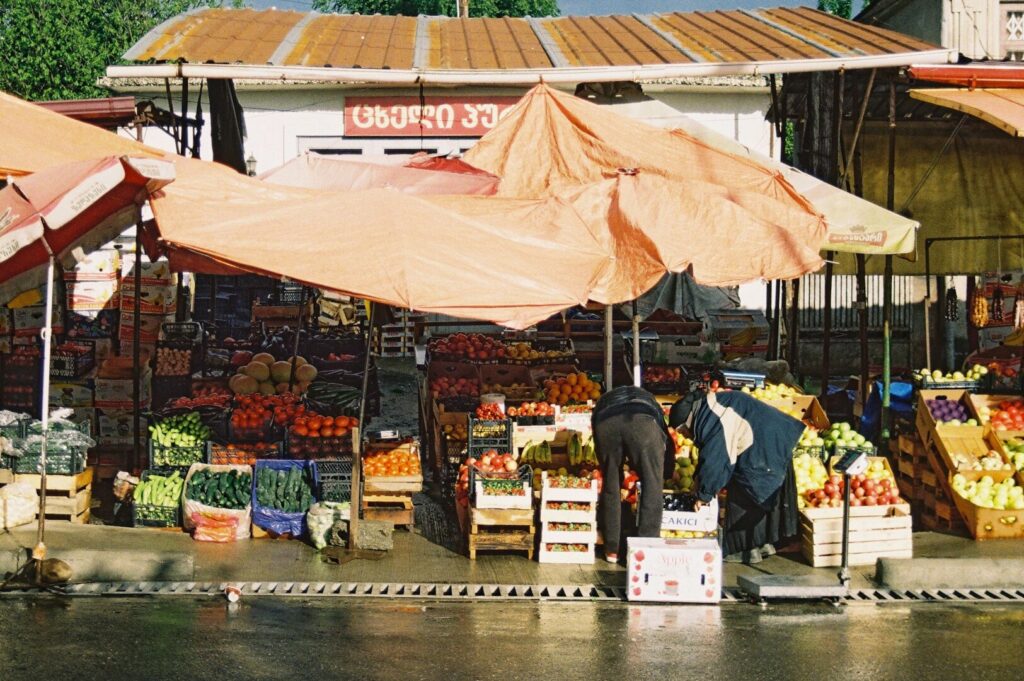
For a change of pace, explore Kalamata’s famous farmers market. Bursting with mouth-watering local produce, cheeses, fried snails, olives of every shade (including the famous brown olive variety), and tomato chutneys, it’s a feast for the senses. Pair it with urban food tours in nearby cities for a balance of rural charm and cosmopolitan flavor.
Conclusion: Your Olive-Themed Trip Awaits
An olive harvest experience in Greece’s Peloponnese is more than work—it’s play, tradition, and connection rolled into one. You’ll join in a ritual as old as ancient Greece, share laughter with farmers, and taste oil so fresh it tingles on your tongue. Add in culinary tours, cooking classes, and encounters with food artisans, and you’ve got a trip that blends history, flavor, and joy.
So don’t just taste olive oil produced in Greece—help make it. The endless olive groves and family-run mills are waiting to welcome you into their world. Pack your boots, bring your appetite, and get ready for an immersive food experience you’ll carry home in your heart—and your suitcase.