
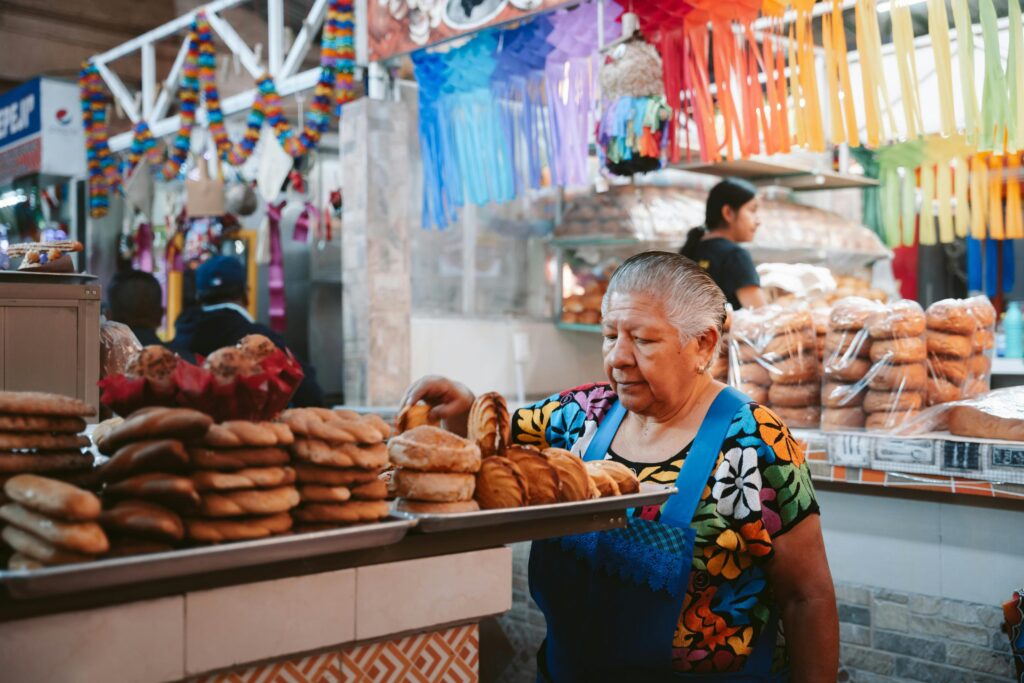
Oaxaca, the heart of Mexican cuisine, is renowned for its rich culinary heritage centered around mole—a sauce so complex that tasting it is like savoring the history of the region. Known as “the land of seven moles,” Oaxaca offers a universe of smoky, sweet, spicy, and soulful traditional Mexican sauces that blend indigenous ingredients with Spanish influences.
For more delicious insights and authentic recipes, explore the flavors at Wanderbites Blog.
Introduction to Oaxacan Cuisine
Oaxacan cuisine showcases centuries of indigenous wisdom and cultural reverence. At its core lies mole, a creation as culturally significant as it is flavorful. Each variation tells a story, weaving native dried chiles, aromatic warm spices, and Mexican chocolate into extraordinary compositions. From the mysterious mole negro to the fresh mole verde and golden mole amarillo, these traditional Mexican sauces are the crown jewels of Oaxacan gastronomy, celebrated at family gatherings and special occasions alike.
Authentic Oaxacan Mole: A Culinary Heritage
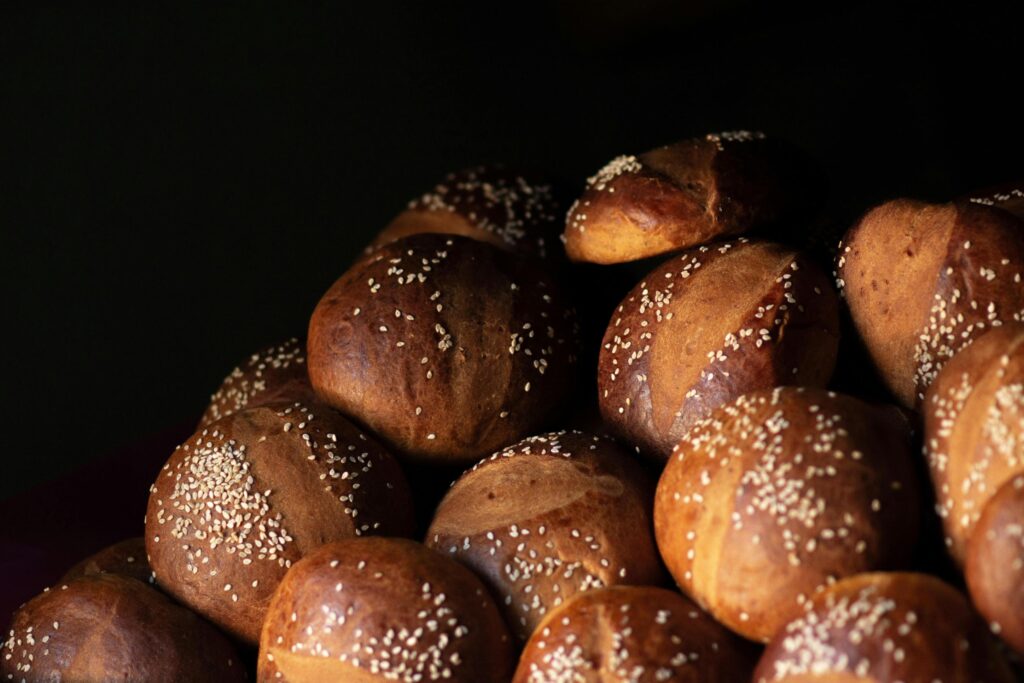
Authentic Oaxacan mole is a tangible link to the region’s rich culinary heritage. Crafted with local ingredients like rare chilhuacle negro chiles and fresh herbs, each mole reflects generations of knowledge. Along with chiles and herbs, nuts, dried fruit, and other ingredients such as sesame seeds, almonds, and pumpkin seeds contribute to the complex, layered flavor profile that elevates mole beyond mere sauce to a profound cultural experience.
The Art of Traditional Mexican Sauces
Mole represents the pinnacle of Mexican culinary artistry, characterized by complex layers of flavor achieved through toasting, grinding, and slow simmering. The balance of smoky, sweet, spicy, and earthy notes showcases the mastery of Mexican cooks who transform simple ingredients into extraordinary dishes. Stirring frequently during the cooking process prevents burning and ensures even flavor development.
Embracing the Oaxaca Seven Moles Experience
The Oaxaca seven moles celebrate diversity and depth in Mexican cuisine. Each mole offers a unique flavor profile and story, inviting food lovers on a sensory journey through the region’s history and culture. Whether enjoyed in markets, kitchens, or festivals, experiencing these seven moles connects you to the heart of Oaxaca and the soul of Mexico, one exquisite mole sauce at a time.
What Makes Oaxaca the Land of Seven Moles?
Mole (pronounced MO-leh) originates from the Nahuatl word mōlli, meaning “sauce.” In Oaxaca, these culinary epics contain 20 or more ingredients layered to create harmony. Their roots are pre-Hispanic, blending dried chiles, seeds, and herbs into pastes. The Spanish introduced nuts, spices, and bread, evolving the sauces into the complex creations known today.
Moles are special occasion food central to weddings, baptisms, Día de los Muertos, and Guelaguetza. Making mole is a communal labor of love involving grinding in a food processor or traditional metate, toasting over medium to high heat, and simmering in a large pot with chicken broth or turkey stock. The mole is tasted repeatedly during cooking, adding more salt as needed to perfect the flavor. While the “seven moles” are famous, each Oaxacan family holds secret recipes.
History and Cultural Significance of Moles
Mole’s heritage traces back to ancestral Mexican civilizations that mastered harmonizing dried chiles, seeds, and spices into complex flavors. The word “mole” means “sauce” or “mix,” but its essence is a serene melding of diverse elements. Originally, moles preserved meats in a sauce for sensory refinement and practical wisdom.
Over centuries, moles became central to Mexican ceremonial cuisine, perfected in Oaxaca. Preparing mole is a ritual: toasting sesame seeds and chile seeds, coaxing aromatic spices, grinding patiently, and simmering slowly to extract every nuance. Each family’s recipe is heirloom wisdom, making mole a living testament to ancestral knowledge. Sharing mole in Oaxaca is sharing history, culture, and community.
The Magnificent Seven: A Guide to Oaxaca’s Moles
Meet the stars of Oaxaca’s seven moles, each with distinct personality, color, and flavor.
Mole Negro
The king of moles, mole negro (black mole or Oaxacan black mole) is inky black, velvety, and complex. It balances smoky, sweet, and savory notes with chiles—including rare chilhuacle negro and chilhuacle rojo—nuts, seeds, spices, and a touch of dark Mexican chocolate. Toasted garlic and toasted sesame seeds deepen its aroma and complexity.
Personality: Sophisticated, mysterious, profound.
Pairing: Traditionally served over turkey or chicken on special occasions.
Mole Coloradito
Meaning “little red one,” mole coloradito is a reddish brown sauce, sweeter and less intense than mole negro. It gains color from ancho chiles and sweetness from ripe plantain and a hint of chocolate. It’s approachable and crowd-pleasing.
Personality: Warm, comforting, approachable.
Pairing: Ideal with pork, chicken, or enchiladas.
Mole Rojo
A close relative of coloradito, mole rojo (red mole) is spicier and vibrant, using chiles like pasilla and guajillo chiles. Its spicy kick is balanced by nuts and warm spices such as cinnamon and cloves. Roasted tomatoes and chicken stock add depth and richness, while roasted onion builds layered flavors.
Personality: Fiery, bold, energetic.
Pairing: Excellent with chicken or beef.
Mole Amarillo
Yellow mole varies from yellow to orange to red, made with chiles like chilhuacle amarillo and guajillo chiles. It is lighter and brighter, thickened with masa harina (corn flour), and scented with the anise-like herb hoja santa. It contains no nuts or seeds and is a specialty of Oaxaca’s central valleys.
Personality: Sunny, herbaceous, rustic.
Pairing: Served with chicken, vegetables, or in empanadas. Popular street food sold by street vendors throughout Oaxaca.
Mole Verde
Mole verde (green mole) is a vibrant, fresh green sauce made from fresh tomatillos, jalapeños, cilantro, and parsley. Thickened with pumpkin seeds, it often includes fresh vegetables like green beans. Like amarillo, it features hoja santa and is quick-cooking, meant to be eaten fresh.
Personality: Zesty, bright, lively.
Pairing: Perfect with chicken or pork.
Mole Chichilo
One of the rarest and most complex after negro, mole chichilo is smoky, dark, and intense. Its flavor comes from rehydrated beef stock and rare chilhuacle negro chiles, essential for its dark color and taste. Toasting chilhuacle negro chiles and corn tortillas nearly burnt gives it smoky depth. Toasted avocado leaves add aroma and subtle flavor.
Personality: Intense, smoky, assertive.
Pairing: Traditionally served with beef.
Mole Manchamanteles
Meaning “tablecloth stainer,” this sweet-savory, fruit-forward mole is vibrant red with chunks of pineapple, plantain, and sweet potato. Dried fruit like raisins add depth and sweetness, enhancing complexity. It beautifully marries sweet and spicy flavors.
Personality: Playful, fruity, festive.
Pairing: Delicious with pork or chicken.
Core Techniques and Pantry Essentials
Mastering mole involves key techniques:
-
Toasting and Frying: Prepare all the chiles by removing stems and seeds, then roast, soak in hot water, and blend to develop deep, layered flavor. Toast dried chiles, nuts, seeds, and spices over medium high heat in a single layer, turning frequently to avoid burning. After charring chiles, soak them in hot water to soften and rinse toasted chile seeds in cold water to remove bitterness.
-
Grinding: Traditionally ground on a metate, today a powerful food processor creates a smooth chile puree.
-
Simmering: Fry the paste in lard or oil, then simmer in a large pot with chicken broth or turkey stock and bay leaves over medium heat. Stir frequently to prevent sticking and ensure even cooking. Cook until flavors meld and sauce thickens, then remove bay leaves before serving. Slow simmering deepens the sauce.
Ingredient Spotlights: The Soul of the Sauce
-
Chiles: The backbone of mole. Ancho, pasilla, guajillo, mulato, and chilhuacle chiles provide sweetness and depth. Roasted onions and tomatoes contribute richness.
-
Hoja Santa: A heart-shaped leaf with an anise-like flavor, signature in mole verde and mole amarillo.
-
Fruit and Chocolate: Ripe plantains add sweetness and body to mole coloradito. Mole manchamanteles features fresh pineapple and plantain. Mole negro uses a small amount of Mexican chocolate and dark chocolate for depth and balance, not sweetness. Salt enhances and balances flavors. Warm spices like cinnamon and cloves add complexity.
Cooking with Moles
Crafting mole is a culinary meditation blending smoky ancho, complex mulato, and bright guajillo chiles with Mexican chocolate, almonds, and raisins to create a layered, sophisticated sauce. The ritual begins with toasting to release essential oils. Ingredients are ground into a smooth paste, then simmered with broth to meld flavors. Finished mole is the culmination of slow cooking, careful blending, and texture adjustment. Mole graces chicken, turkey, or pork and folds into warm corn tortillas like whispered traditions. Classic dishes such as enchiladas, tamales, and mole poblano showcase mole’s timeless versatility.
Health Benefits of Moles
Beyond flavor and culture, these moles offer wellness benefits. Key ingredients like sun-dried chiles, sesame seeds, pumpkin seeds, and Mexican chocolate provide antioxidants, fiber, and heart-healthy fats. Ancho and mulato chiles contain protective antioxidants supporting immunity. Sesame and pumpkin seeds contribute fiber and healthy fats, while Mexican chocolate’s flavonoids promote cardiovascular health.
Where to Taste Authentic Oaxacan Mole
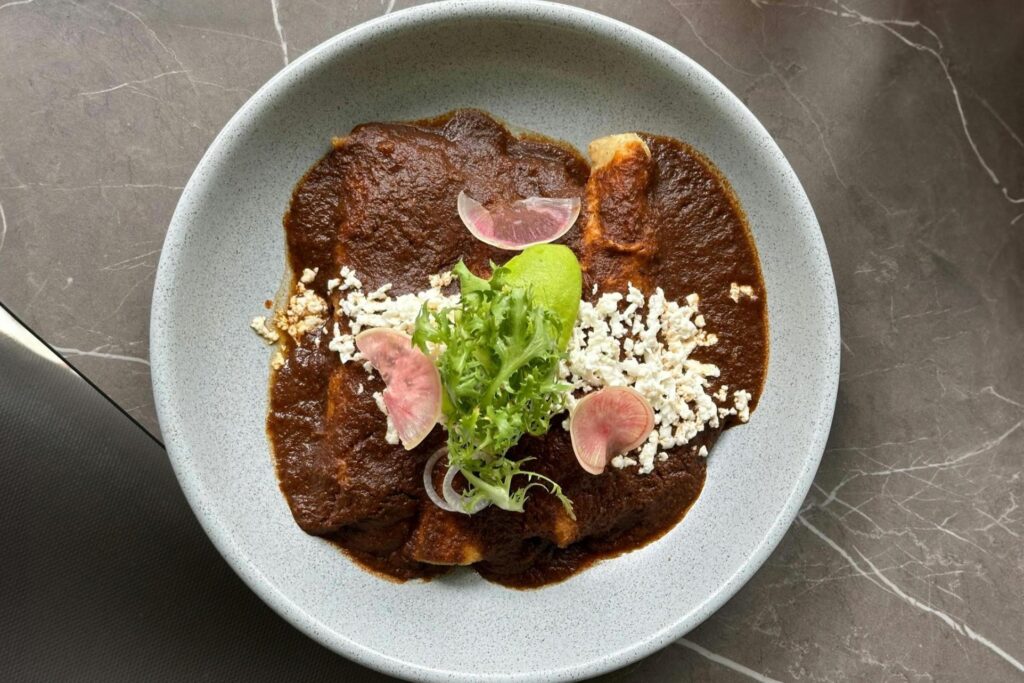
Tasting mole in Oaxaca is essential:
-
Markets: Visit Mercado 20 de Noviembre or Mercado Benito Juárez to find family-run food stalls serving home-style mole.
-
Restaurants: Many family-run spots offer mole samplers or enmoladas (enchiladas with mole sauce).
-
Festivals: Mole shines at weddings and the Guelaguetza festival in July.
Education and Workshops: Learning the Art of Mole
Oaxaca offers culinary workshops and academies for those seeking to master authentic mole. These experiences celebrate the revered trinity of oaxacan black mole, mole coloradito, and mole amarillo, guiding participants through toasting chiles, grinding spices, and incorporating treasured ingredients like avocado leaves and chilhuacle negro chiles. Such immersion cultivates reverence for indigenous chiles, ancestral techniques, and the living heritage behind these extraordinary sauces.
Community and Celebration: Mole at the Heart of Oaxacan Life
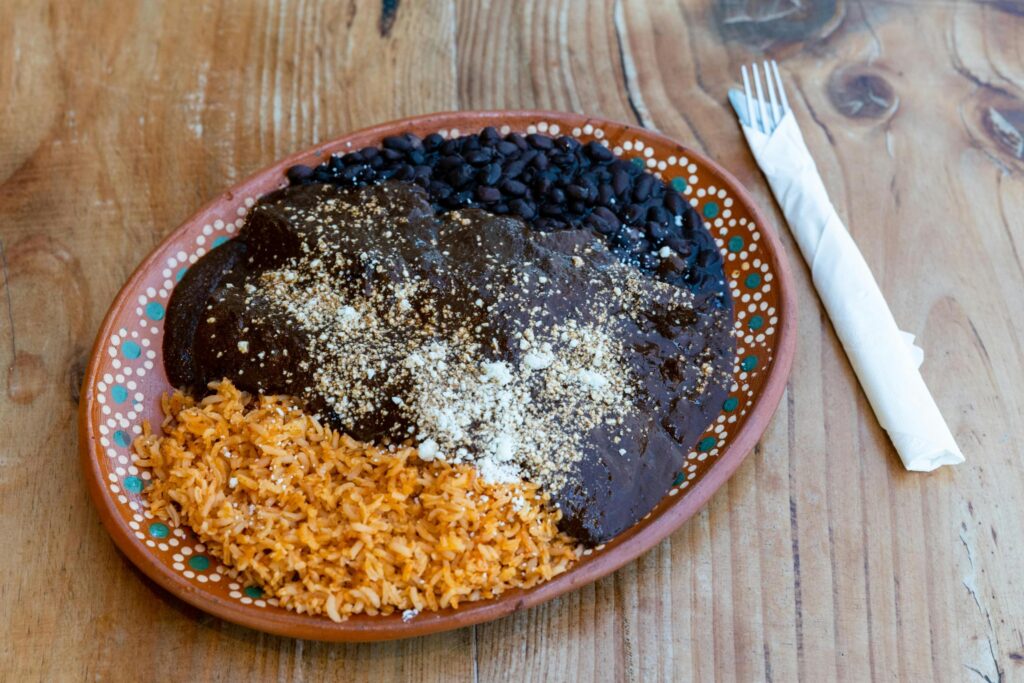
In Oaxaca, mole is more than sauce—it is a centerpiece of communal tradition. The creation of mole, especially the seven moles like mole negro and mole chichilo, is a ritual that brings families and neighbors together. During ceremonies, the aroma of simmering mole fills the air, heralding a feast where handmade corn tortillas and tender meats are shared in mindful appreciation. Mole weaves generations together, preserving ancestral wisdom and elevating every meal into a transcendent moment.
A Quick Guide for Your Mole Tasting Journey
-
Start with mole coloradito for its approachable sweetness.
-
Order a sampler to experience multiple moles.
-
Don’t fear the spice—moles are more smoky and complex than purely spicy.
-
Use warm corn tortillas to savor every drop.
Your Mole Adventure Awaits
The seven moles of Oaxaca are living expressions of culture, land, and celebration. Let the smoky depth of mole negro transport you, the fruity sweetness of manchamanteles delight you, and discover the culinary universe in a single spoonful of mole sauce. Experience the true essence of Oaxaca seven moles and savor the authentic Oaxacan mole tradition through these extraordinary traditional Mexican sauces.