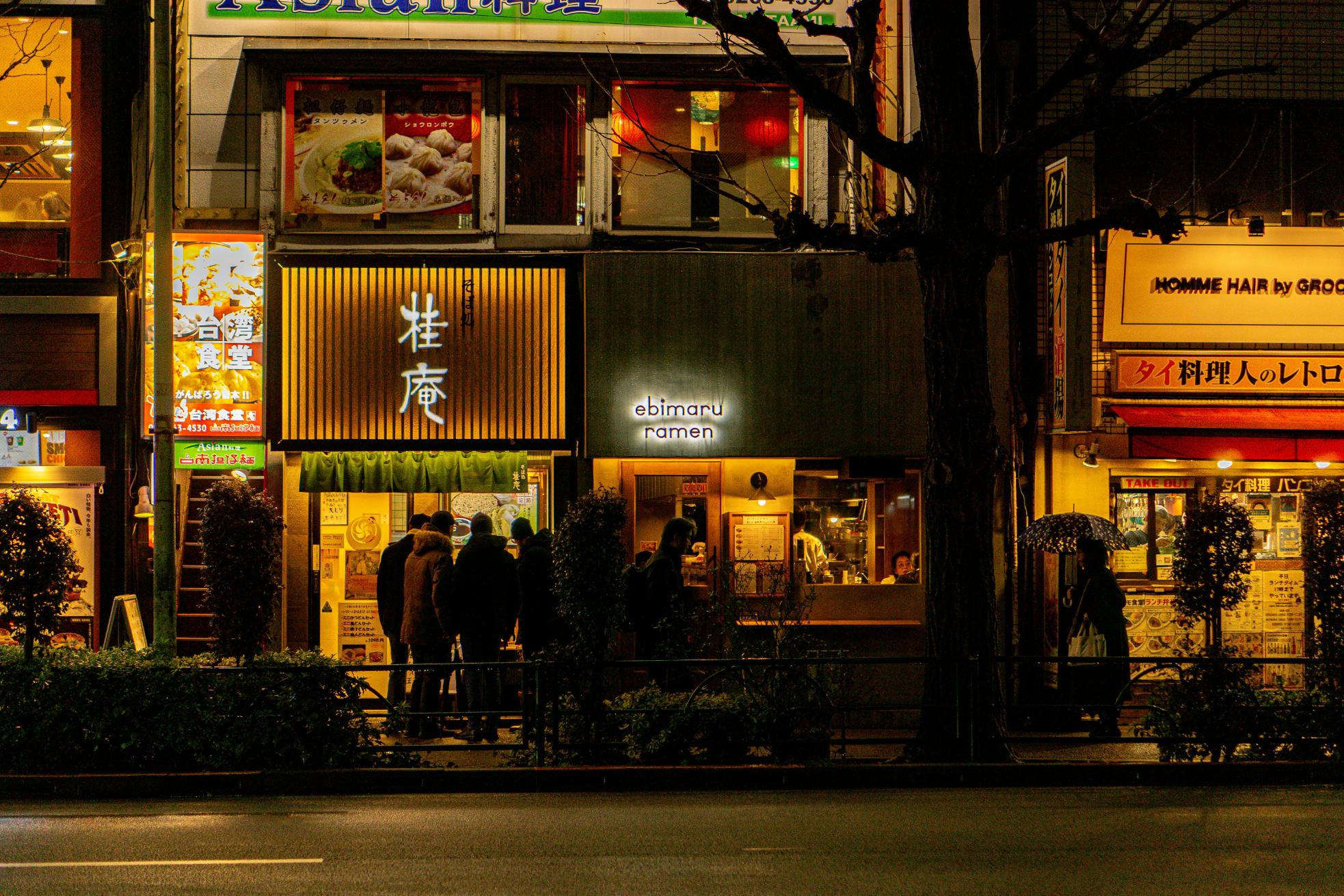
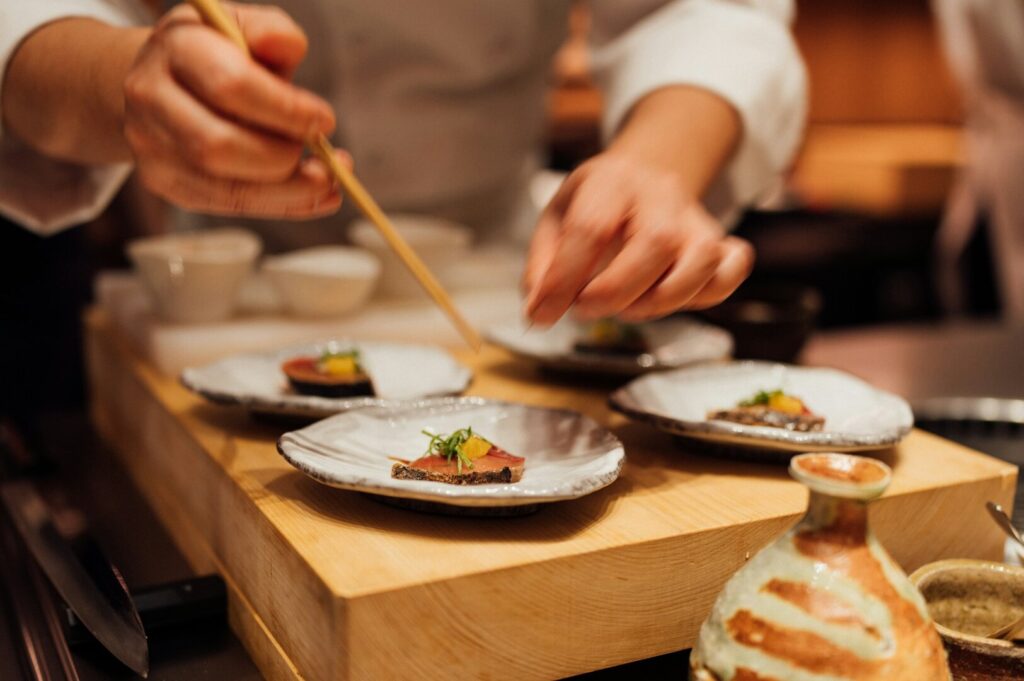
The world outside fades away. There’s only the soft glow of lights, the quiet reverence of a few diners, and the focused movements of the chef behind the counter. He places a single piece of nigiri before you—glistening chu-toro over perfectly seasoned rice. Each omakase experience is carefully crafted to develop your palate, guiding you through a progression of flavours that showcase the chef’s artistry and the finest seasonal ingredients. It’s more than food; it’s a story, a connection, and an expression of trust. This is the magic of intimate omakase in Singapore.
This article invites you to discover those hidden corners. We’ll reveal what makes an omakase experience intimate and why these chef-focused encounters offer some of the most memorable dining moments in Singapore. Forget crowded rooms; join us to explore the heart of authentic omakase—an experience sure to impress even the most discerning diners.
What Makes an Omakase Singapore Dining Experience at a Japanese Restaurant “Intimate”?
Omakase (お任せ) means “I’ll leave it up to you,” reflecting a diner’s trust in the chef to curate the meal. While this exists in many Japanese restaurants, intimacy magnifies its impact. It’s not just room size; it’s the quality of interaction and focus on craft. These meals are performances.
Key traits of intimate omakase include:
Limited Counter Seats: Usually 8-12 seats at the sushi counter, ensuring every guest has a front-row view of the chef’s skill, creating a sense of exclusivity and connection.
Direct Chef Interaction: The chef prepares each dish before you, sharing stories about seasonal produce, grilling techniques, and unique preparation methods that elevate each bite.
Curated Atmosphere: A calm, distraction-free space where food and craftsmanship shine. Each course’s presentation enhances intimacy and appreciation, often under soft, warm lighting reminiscent of the gentle sun.
Personalization: With fewer diners, chefs can tailor the experience—offering extra pieces, grilled delicacies, or adjusting seasoning based on guest reactions, making every meal unique.
These small Japanese restaurants are sanctuaries for chef and diner alike, where the artistry of Japanese cuisine is deeply appreciated. To experience true dedication and skill, dine at these intimate venues and savor the unique bond between chef, table, and guest.
Sushi Masa and Other Japanese Restaurants: The Art of Chef-Diner Connection in Omakase Singapore
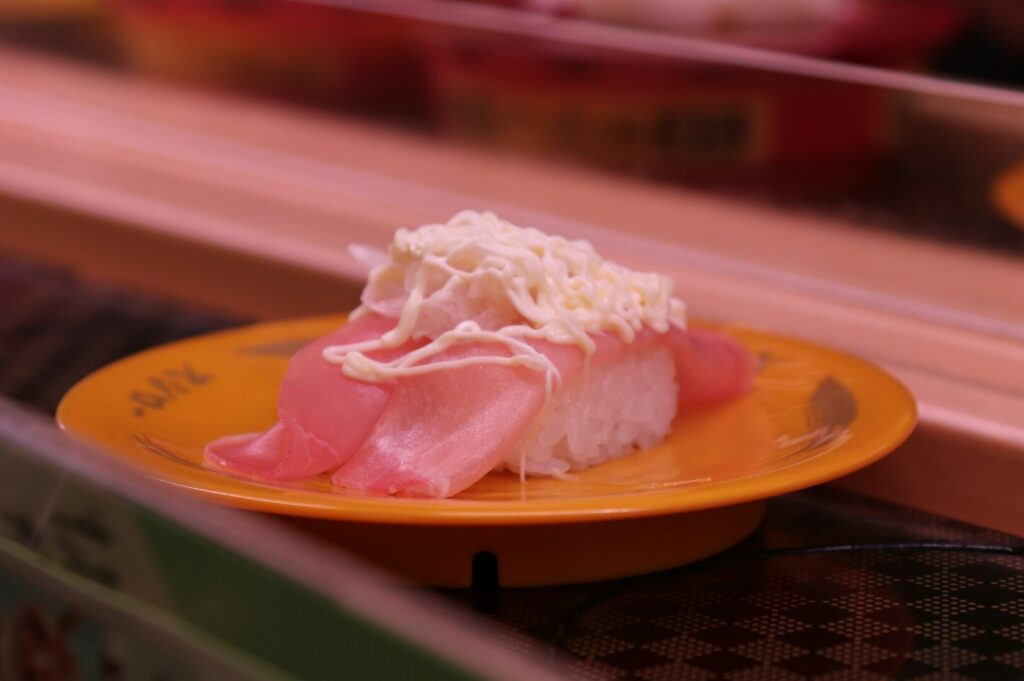
At the core of every great Japanese restaurant omakase is an unspoken dialogue between chef and diner. This connection is trust: you trust the chef to source the finest ingredients and guide you on a culinary journey; the chef trusts you to be an engaged, appreciative audience.
Counter seating is the stage for this interaction. You watch the knife’s precise slice, the gentle press of rice, the delicate brush of soy sauce. You’re invited into the chef’s creative process, not just served food.
This closeness offers education. A great chef explains where the uni (sea urchin) was harvested, why a cut of kinmedai (golden eye snapper) is lightly seared or grilled, or how aging deepens bluefin tuna’s flavor. This narrative turns dishes into a cohesive story, with small bites that prepare the palate for the next course.
Sushi Masa at Cuppage Plaza exemplifies intimate omakase dining. This renowned Singapore outpost of authentic Japanese cuisine has an exclusive 8-seat counter where diners enjoy omakase menus featuring air flown seafood from Tokyo’s Toyosu Market. Attentive service and curated courses include appetiser, miso soup, sashimi, nigiri, hot dishes, grilled items, and dessert, creating a full multi-course experience. Diners can opt for premium ingredients like caviar, truffle, and scallop for an elevated meal. Signature dishes feature wagyu beef, donburi bowls (don), assorted tempura, and high-quality meat and noodles, highlighting Japanese culinary breadth. Pair with Japanese beer or sake for a complete dining experience.
Another notable venue is Sushi Kawasemi, a cozy 14-seat omakase restaurant known for its custom fish aging techniques that enhance umami and tenderness. Located on Telok Ayer Street, it offers meticulously curated omakase courses featuring seasonal seafood flown in multiple times a week, complemented by attentive service and a refined dining atmosphere.
Takahashi Singapore brings the elegance of Ginza’s famed omakase to the city, with a serene setting featuring a miniature zen garden and natural skylight. Located at Mohamed Sultan Road, Takahashi offers a balanced omakase menu blending traditional sushi with innovative hot dishes, all prepared with premium seasonal ingredients and served with impeccable hospitality.
Seasonal Produce and Finest Ingredients: The Heart of Authentic Omakase Singapore
In authentic omakase, the menu is a living reflection of nature’s calendar. The philosophy centers on shun (旬), the Japanese appreciation for peak-season ingredients when flavor and texture are optimal.
Singapore’s top omakase chefs master bringing Japan’s seasons to the tropics. They maintain deep ties with suppliers at Tokyo’s Toyosu Market, ensuring fish, seafood, and produce arrive multiple times weekly. Many ingredients come directly from Japan to guarantee authenticity and uphold traditional standards. This dedication means spring menus differ greatly from autumn’s.
-
Spring: Delicate hotaru ika (firefly squid), sweet sakura ebi (cherry blossom shrimp), fresh bamboo shoots.
-
Summer: Luscious iwa gaki (rock oysters), rich anago (sea eel), clean young ginger.
-
Autumn: Fatty, flavorful sanma (Pacific saury), gleaming ikura (salmon roe), earthy matsutake mushrooms.
-
Winter: Fatty tuna (toro), creamy Hokkaido uni (sea urchin), sweet snow crab (zuwaigani).
This focus on seasonal produce and finest ingredients makes each omakase unique and unrepeatable—a celebration of fleeting moments on your plate. Prices vary with ingredient rarity and origin, especially for Japan-sourced items.
Indulge in the Full Spectrum of Japanese Culinary Artistry
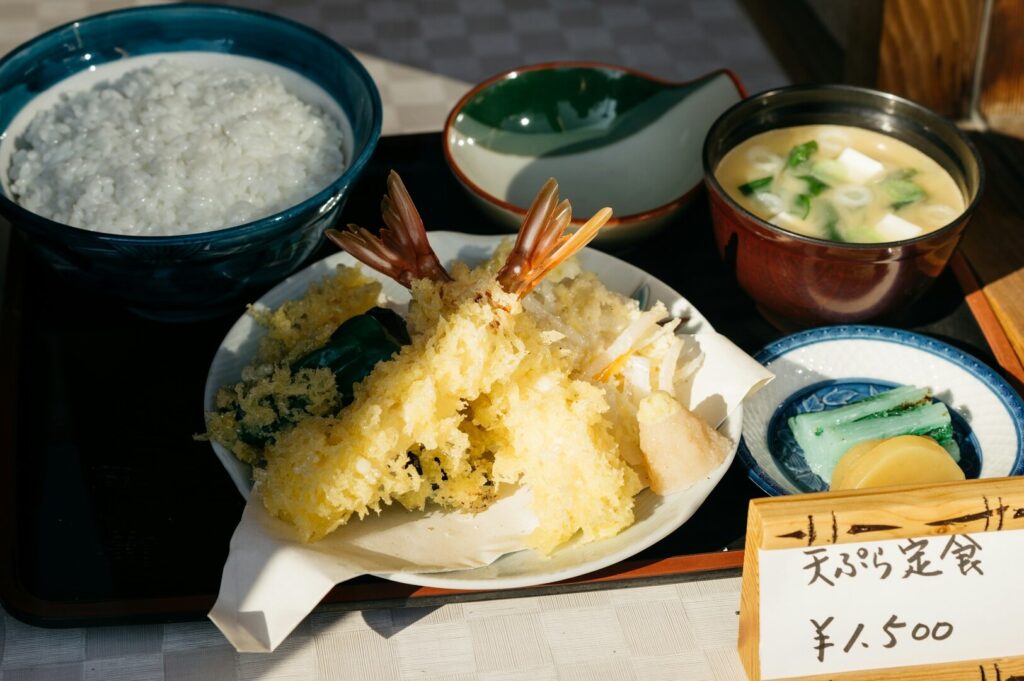
Omakase is an invitation to indulge—to surrender your palate to the chef’s expertise and explore a rich variety of tastes and textures. From the delicate sweetness of fresh sashimi to the umami-packed richness of grilled wagyu beef, every dish is designed to delight and surprise.
Beyond sushi and nigiri, many omakase menus include hot dishes, tempura, and donburi (don)—rice bowls topped with premium ingredients that offer a comforting yet refined experience. These dishes showcase the breadth of Japanese cuisine and provide a satisfying contrast to lighter courses.
The experience is heightened by pairing with carefully selected sake or Japanese beer, enhancing flavors and completing the sensory journey. Diners leave feeling not only satiated but truly connected to the tradition and passion behind every bite.
Finding Your Perfect Omakase Match: From Ki Setsu to Suzuki and More Japanese Restaurants in Singapore
Singapore’s vibrant food scene offers diverse omakase options, from traditional Edomae-style sushi to creative kappo dining. Some restaurants hail from Osaka, bringing authentic Japanese flavors and heritage. With so many choices, finding the right fit can be daunting. Consider your preferences:
Are you a purist seeking a traditional sushi journey? An adventurous eater open to hot dishes, grilled delicacies, and modern twists? Prefer a lively chef or a reserved atmosphere? Reflecting on these helps narrow options. Notable venues in Ngee Ann City offer convenient access to premium Japanese dining.
Ki Setsu is celebrated for its intimate dining with attentive service and well-priced omakase courses. Suzuki impresses with award-winning architecture and exquisite menus featuring premium seafood and sake. These highlight the variety available for omakase Singapore enthusiasts.
Remember, price often signals ingredient quality and rarity. Higher prices usually grant access to wild-caught bluefin tuna, rare shellfish, and top-grade uni. Still, mid-range options provide excellent value and a great introduction to chef’s choice dining. Dessert typically concludes the meal, leaving a sweet, lasting impression.
Opening Hours and Tips for First-Time Omakase Diners in Singapore’s Japanese Restaurants
Knowing your restaurant’s opening hours is key to planning. Most intimate omakase venues operate dinner service Tuesday to Saturday, with some offering lunch on select days, often Mon Fri.
For first-timers, here are tips to enhance your experience:
-
Arrive on Time: Omakase is paced; chefs start serving all guests together. Punctuality shows respect.
-
Trust the Chef: Let go of control. Avoid special requests unless for allergies, which should be noted when booking.
-
Eat Sushi Correctly: Nigiri is one bite. Use hands or chopsticks. Lightly dip fish side (not rice) in soy sauce if offered. Often, chefs season perfectly.
-
Engage, Don’t Distract: Ask about the food; chefs appreciate curiosity. But respect other diners and chef focus.
-
Pace Yourself: Eat sushi promptly; it’s served at ideal temperature and texture.
-
Dress Smart-Casual: Avoid strong perfumes that interfere with delicate food aromas.
Your Intimate Culinary Journey Awaits at Sushi Masa and Other Japanese Restaurants in Singapore
Singapore’s hidden omakase gems offer more than meals; they open portals to culinary artistry, seasonal beauty, and human connection. They invite you to slow down, savor each bite, and trust a master’s hands. These are experiences that linger long after the last plate is cleared.
Step away from noise to quiet counters where magic happens. Book your seat, bring an open mind, and prepare to be captivated. Your next unforgettable culinary adventure awaits, one delicious bite at a time. Discover why these intimate venues are considered the best omakase in Singapore, celebrated for their exceptional craftsmanship and premium seasonal ingredients in every review.