The moment you step into Istanbul’s spice markets, the world outside seems to vanish, replaced by the vibrant colors, fragrant aromas, and the lively energy of a bustling market. Known for its rich history and cultural significance, the Istanbul Spice Bazaar, also called the Egyptian Bazaar, is a renowned spice market that offers an unforgettable sensory experience. From heaps of aromatic spices to Turkish delights, it’s a treasure trove for anyone passionate about food and history.
Alongside the famed Spice Bazaar, Istanbul is home to other lively spice markets like the Grand Bazaar, Beşiktaş Market, and Kadıköy Market, each offering unique flavors and experiences. These markets provide an incredible opportunity to discover the essence of Turkish cuisine, from exotic seasonings to savory pastries and everything in between.
Let’s dive into the magic of these markets, explore must-try Turkish spices, and uncover the secrets that make Istanbul a global hub of culinary trade.
The Spice Bazaar (Egyptian Bazaar): Istanbul’s Historic Gem
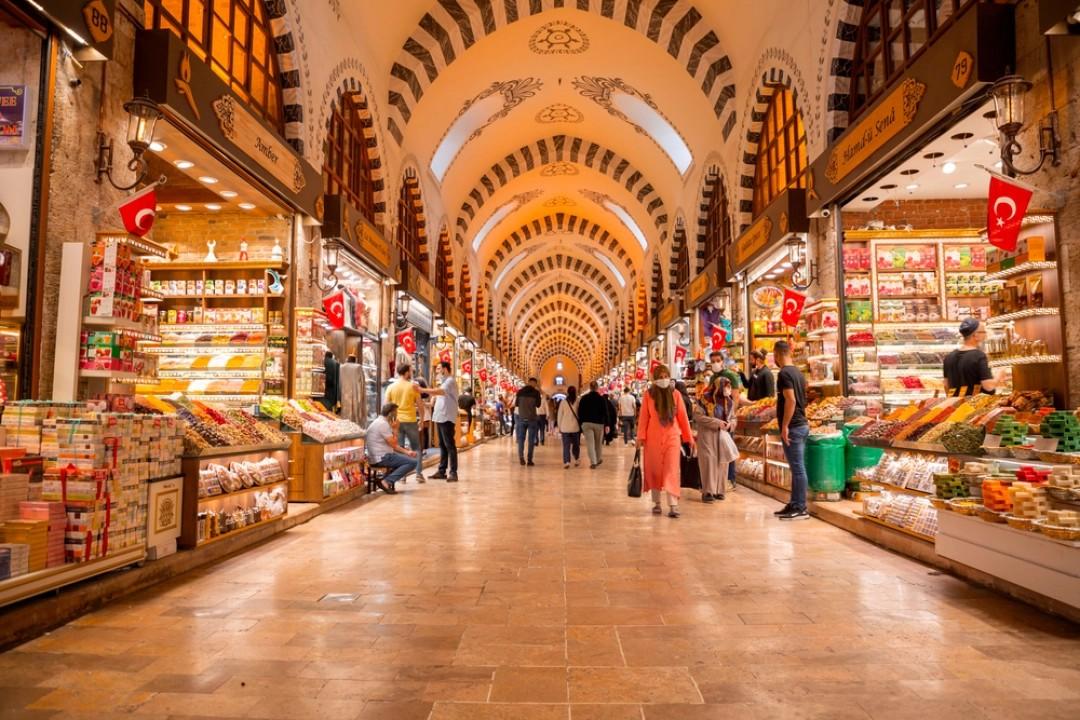
The Spice Bazaar, or Egyptian Bazaar, is one of Istanbul’s most iconic landmarks. Situated in the Eminönü district, near the New Mosque and the Golden Horn, this L-shaped, 17th-century spice market has been a cornerstone of Istanbul’s trade for centuries. Originally funded by taxes collected from Egypt, the bazaar became a key stop on the Silk Road, where merchants traded exotic spices, textiles, and perfumes.
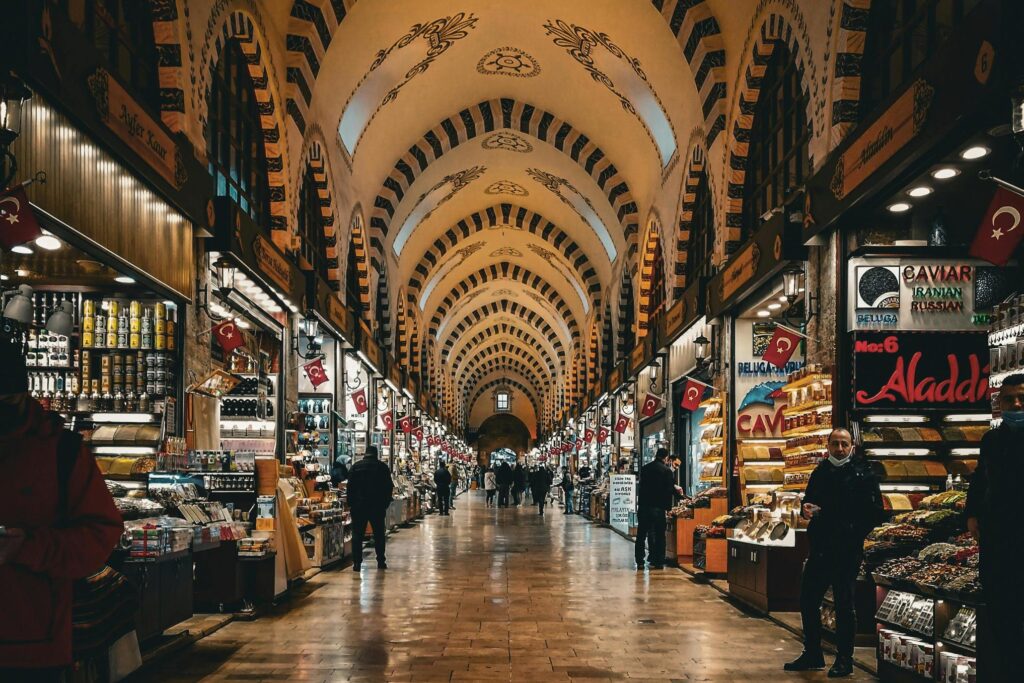
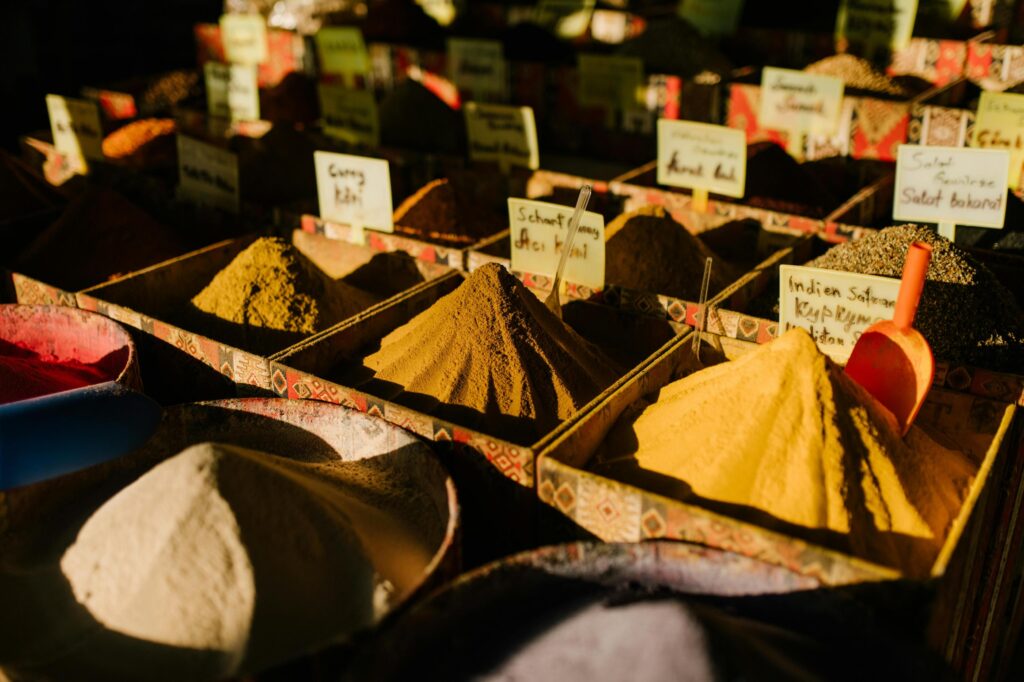
Today, the Spice Bazaar remains one of the largest and busiest spice markets in the world. Its vaulted ceilings and stone corridors house over 80 stalls, offering a dazzling array of Turkish spices, dried herbs, nuts, and more. Among the many spices, you’ll find cumin, cinnamon, saffron, and turmeric—spices like cardamom and turmeric belong to the aromatic ginger family, prized for their culinary and medicinal uses. While the market attracts tourists, it also serves as a hub for locals purchasing essentials for their Turkish dishes and vegetable dishes.
History of the Spice Trade
Entering Istanbul’s Spice Bazaar—revered as the Egyptian Bazaar—is to step into a sanctuary where centuries of heritage linger in the air, each breath infused with the essence of global craftsmanship and the quiet invitation to contemplative exploration. Conceived in 1664 as an integral component of the New Mosque complex, this hallowed bazaar emerged as one of the world’s most distinguished and influential spice sanctuaries. Its meticulously chosen location at the crossroads of Europe and Asia rendered it an essential sanctuary for merchants who traded in exotic spices, textiles, and treasures of extraordinary refinement.
The Spice Bazaar flourished as a revered center for the curation and distribution of sought-after aromatics such as sumac, pul biber (dried red pepper flakes), and the precious golden threads of saffron. These carefully preserved treasures, alongside essential elements including cumin, cinnamon, and turmeric, have shaped the soul of Turkish cuisine through generations of mindful cultivation. Artisans here became renowned for their contemplative understanding of Turkish spices and their masterful ability to blend them into aromatic compositions that breathe life into kebabs, stews, and vegetable dishes—often graced with a thoughtful drizzle of locally sourced olive oil for that unmistakable essence of Turkish refinement.
Yet the Spice Bazaar transcends its role as merely a marketplace for spices. It stands as a sensory sanctuary where the delicate perfume of Turkish delights mingles with the contemplative aroma of Turkish coffee brewing in nearby stalls. Here, one discovers dried fruits and nuts arranged with artisanal precision, each offering a reverent taste of the region’s cultivated agricultural heritage. The bazaar’s serene energy, with its thoughtfully curated displays and measured rhythm, creates a sanctuary for those who appreciate authentic flavors, seek meaningful souvenirs, and wish to absorb the city’s timeless essence.
The narrative of the Spice Bazaar interweaves seamlessly with that of the legendary Grand Bazaar, among the most ancient and extensive covered sanctuaries of commerce in the world. Since the 15th century, the Grand Bazaar has served as a cornerstone of refined trade in Istanbul, Turkey, its contemplatively designed network of winding passages connecting gracefully to the Spice Bazaar, inviting visitors to explore a realm where heritage, culture, and culinary tradition converge in quiet harmony.
Today, the Spice Bazaar endures as a revered sanctuary—a living testament to Istanbul’s enduring role as a city of discerning global commerce. Whether one seeks the perfect composition of spices for an authentic Turkish feast, savors Turkish delights artfully infused with dried fruits and nuts, or simply wanders in contemplative appreciation, this historic sanctuary offers a window into the very soul of Istanbul. It remains a place where every stall whispers its story, every aroma evokes profound memory, and every visit becomes an opportunity to connect with the refined tapestry of Turkish heritage and culinary craftsmanship.
Must-Try Turkish Spices and Seasonings
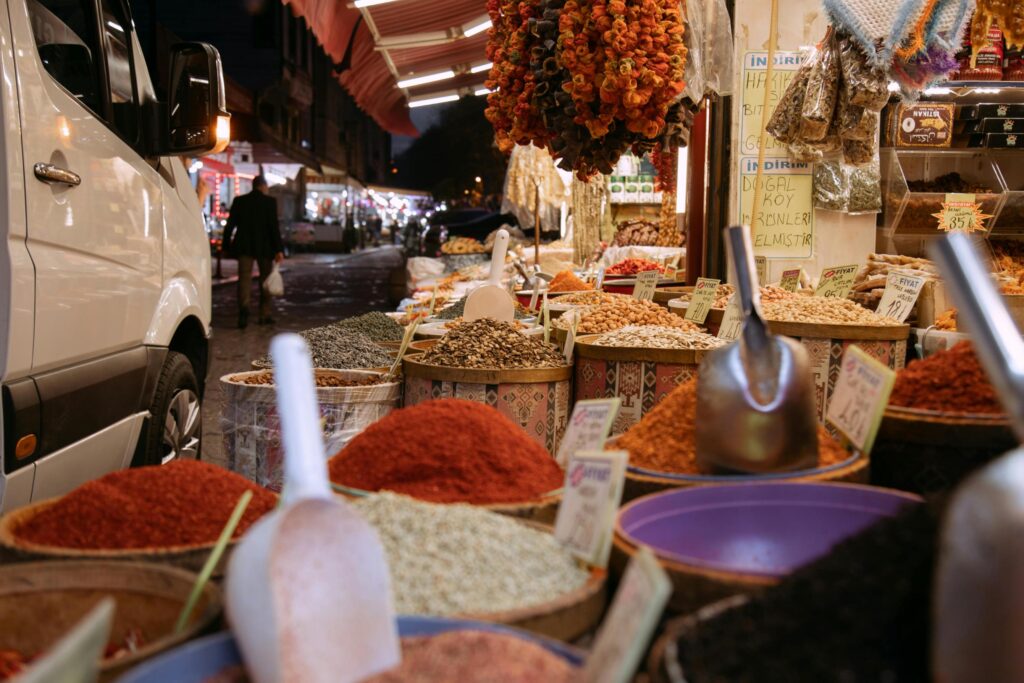
A trip to the Spice Bazaar is incomplete without exploring the incredible selection of Turkish spices. These ingredients are the backbone of Turkish cuisine, adding depth and character to everything from meat dishes to salads and desserts. Chili peppers—such as Aleppo, Marash, and Urfa Biber—are key components of Turkish spice blends, each offering unique flavor profiles and levels of spiciness that are essential in many traditional recipes.
Salt is another fundamental seasoning in Turkish cuisine, often paired with spices like pul biber to enhance the flavors of dishes. Its presence alongside other spices highlights its importance as a staple ingredient in Turkish culinary practices.
Here are some essentials to look out for:
1. Pul Biber (Dried Red Pepper Flakes)
A staple in Turkish dishes, pul biber is a type of Turkish chili pepper flake and a must-buy at the Istanbul Spice Bazaar. These dried red pepper flakes—part of a family of Turkish chilies that also includes Aleppo, Marash, and Urfa Biber—add a mild to medium spiciness, along with a smoky, slightly fruity flavor. Sprinkle them over kebabs, soups, or eggs for an authentic Turkish touch.
2. Sumac
Made from ground berries, sumac lends a sour flavor that’s perfect for salad dressings, marinades, and grilled meats. Its lemony tang enhances vegetable dishes like roasted eggplant or tomato salads.
3. Nigella Seeds
Commonly used in baking and sprinkled over breads, nigella seeds have a nutty, slightly bitter taste. They’re a key ingredient in traditional savory pastries and add depth to Turkish dishes like fish stews.
4. Saffron
While one of the most expensive spices, saffron is worth the investment. Its floral aroma and rich golden hue elevate everything from rice dishes to desserts. Look for Iranian or Turkish saffron at reputable stalls.
5. Dried Herbs: Mint, Thyme, and Oregano
Dried herbs are an essential part of Turkish cuisine. Mint is commonly used in yogurt-based dishes like cacık (a cucumber and yogurt dip) or as a garnish for soups and salads. Thyme and oregano are perfect for seasoning meats and vegetables.
6. Black Pepper and Cumin
These classic spices are indispensable in both Turkish and global cooking. Use black pepper to add heat and cumin for its warm, earthy aroma in everything from meats to vegetables.
Beyond Spices: What Else to Discover in the Spice Bazaar
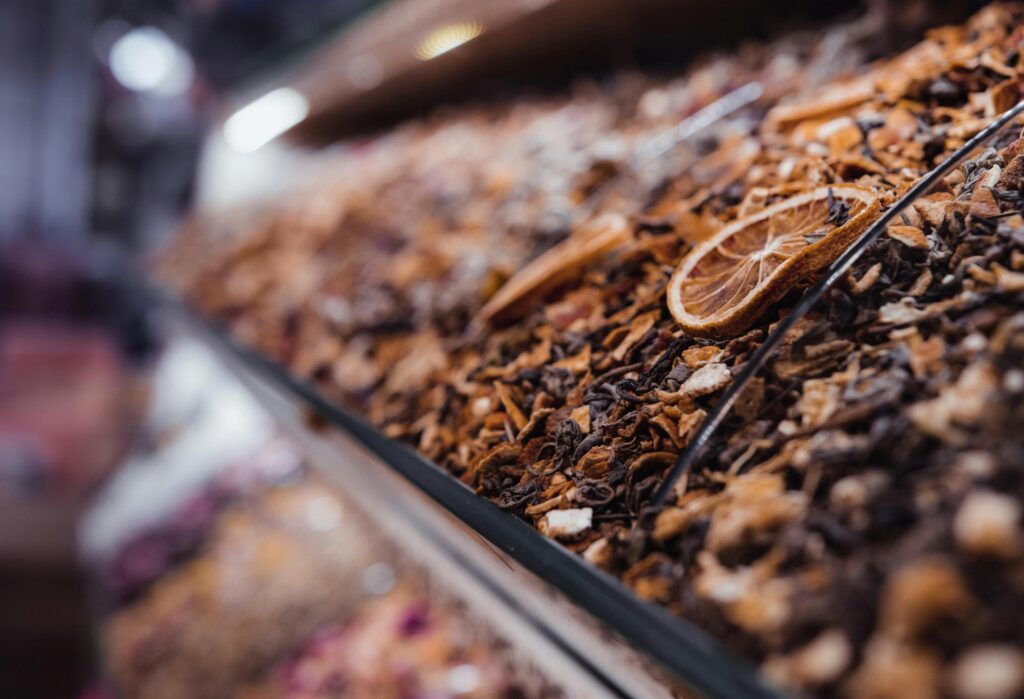
The Istanbul Spice Bazaar is more than a market for spices; it’s a treasure trove of culinary delights. As you wander through its vibrant stalls, you’ll encounter a wide range of products that showcase the diversity of Turkish food.
1. Turkish Delights (Lokum)
Soft, chewy, and flavored with ingredients like rosewater, pistachios, and pomegranate sauce, Turkish delights are an irresistible treat. Be sure to sample a few varieties before picking your favorites to take home.
2. Dried Fruits and Nuts
The market is renowned for its selection of dried fruits like apricots, figs, and dates, as well as nuts like almonds, pistachios, and hazelnuts. These make for excellent snacks or ingredients in desserts.
3. Olive Oil and Pomegranate Sauce
High-quality olive oil is a hallmark of Turkish cuisine, used in everything from salads to vegetable dishes. Pomegranate sauce adds a tangy-sweet depth to marinades, stews, and salad dressings.
4. Turkish Coffee
No visit to the Spice Bazaar is complete without trying Turkish coffee. This rich, aromatic brew is an essential part of Turkish culture. Many stalls also sell beautifully packaged coffee beans for you to enjoy back home.
5. Souvenirs and More
From handcrafted ceramics to spices packed in decorative tins, the Spice Bazaar offers plenty of opportunities for unique souvenirs. Be sure to explore the side streets for hidden gems at better prices.
Exploring Other Markets in Istanbul: Beşiktaş Market and Kadıköy Market
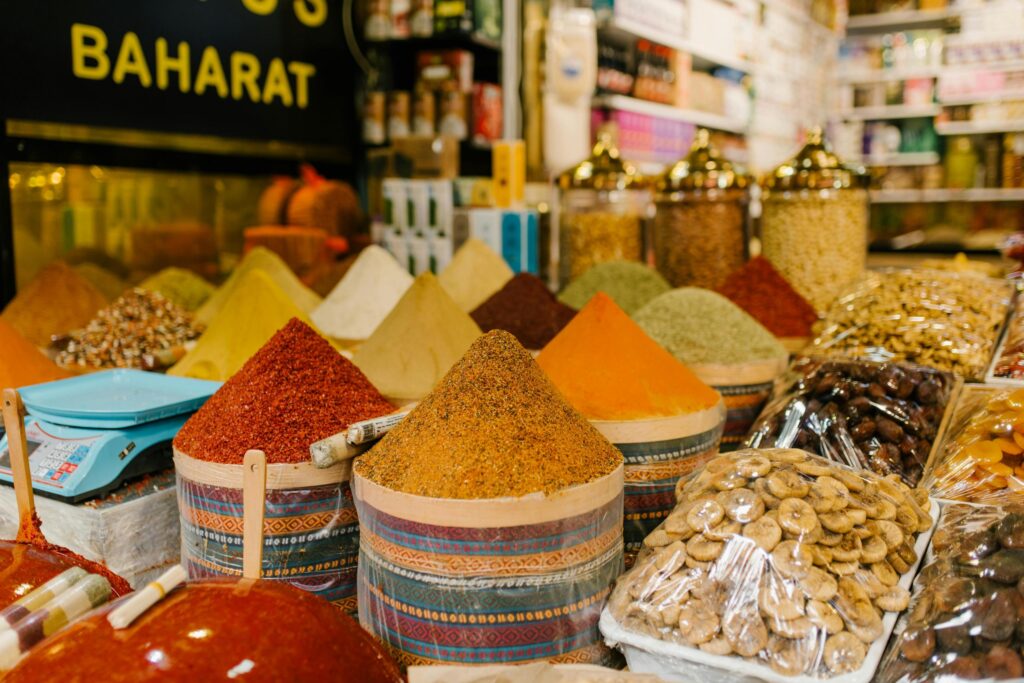
While the Spice Bazaar is a must-visit, don’t miss the chance to explore other vibrant markets in Istanbul. When shopping at these markets, visitors can pay using various methods, including cash and credit cards, and bargaining over prices is a common and expected part of the experience.
Beşiktaş Market
Located in one of Istanbul’s trendiest neighborhoods, the Beşiktaş Market is a great place to shop for fresh vegetables, fish, and Turkish seasonings. This bustling market captures the spirit of local life and offers a more authentic, less touristy experience.
Kadıköy Market
Over on the Asian side of Istanbul, the Kadıköy Market is a food lover’s paradise. Here, you’ll find stalls brimming with aromatic spices, dried herbs, savory pastries, and even artisanal Turkish coffee. It’s an excellent spot to immerse yourself in the flavors of Turkish cuisine.
Practical Tips for Visiting Istanbul Spice Bazaar and Other Markets
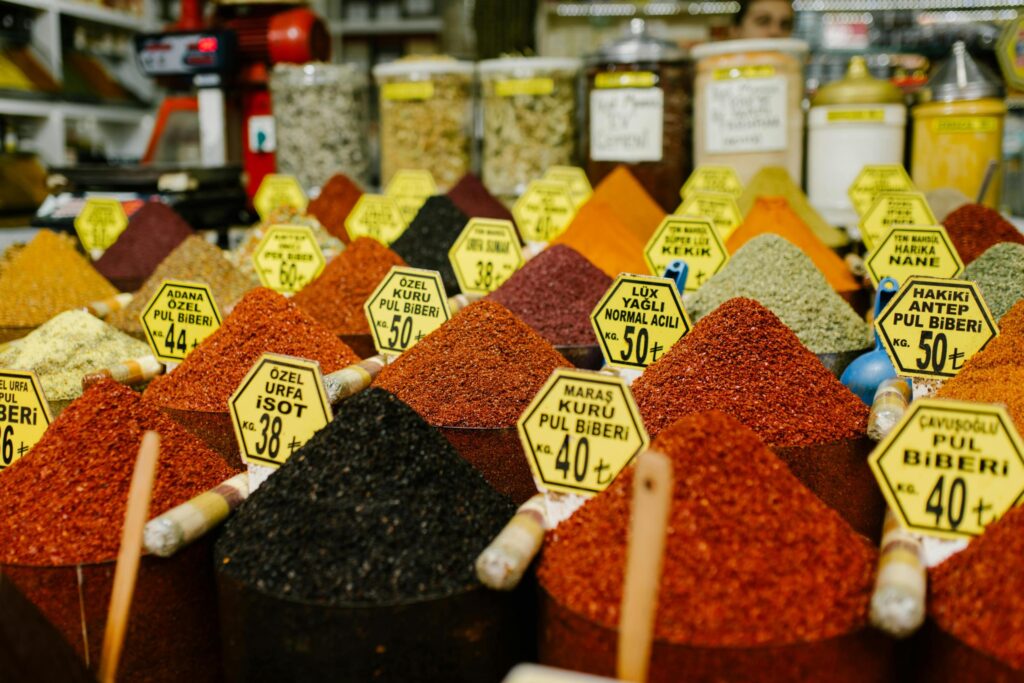
Navigating Istanbul’s markets can be overwhelming, especially for first-time visitors. Here are some tips to make the most of your experience:
1. Timing Is Everything
Visit early in the morning or late in the afternoon to avoid the crowds. The Spice Bazaar opens around 8 AM and closes by 7 PM.
2. Bargain Like a Local
Negotiation is part of the shopping culture. Start by offering 20-30% less than the asking price and aim to settle somewhere in the middle.
3. Ask to Sample
Reputable vendors are happy to let you taste or smell their products. Sampling ensures you’re getting fresh, high-quality goods.
4. Pack Smart
If you’re buying spices, ask the vendor to vacuum-seal them to preserve their freshness and make packing easier.
Istanbul’s Spice Markets: A Cultural and Culinary Haven
The Istanbul Spice Bazaar and other local markets like the Grand Bazaar, Beşiktaş Market, and Kadıköy Market are not just shopping destinations—they’re living museums of taste and culture. They offer a window into Istanbul’s rich history as a global trade hub and a chance to experience the flavors that define Turkish food.
From pul biber and sumac to Turkish delights and olive oil, these markets offer something for everyone. Whether you’re a seasoned cook or just a curious traveler, exploring Istanbul’s spice markets is an adventure you don’t want to miss.
So, take your time, engage your senses, and bring home the incredible flavors of Istanbul, Turkey. These markets aren’t just places to shop—they’re places to connect, discover, and savor the essence of a city like no other. For more exciting culinary adventures and travel inspiration, be sure to visit us at wanderbitesblog.com—your ultimate guide to savoring the world’s most delicious bites!