There is something deeply comforting about warm, freshly made flatbread. This ancient, universal food connects cultures worldwide. Whether tearing fluffy naan to scoop curry, stuffing pita bread with falafel, or using corn tortillas for tacos, you partake in a global tradition. The magic lies in simplicity: a basic dough of flour, water, and salt transforms into countless textures and flavors. Flatbreads around the world each reflect local ingredients and traditions, showcasing culinary creativity from Mediterranean shores to Indian street food and Ethiopian highlands.
The Foundation: Flour, Water, and Possibilities
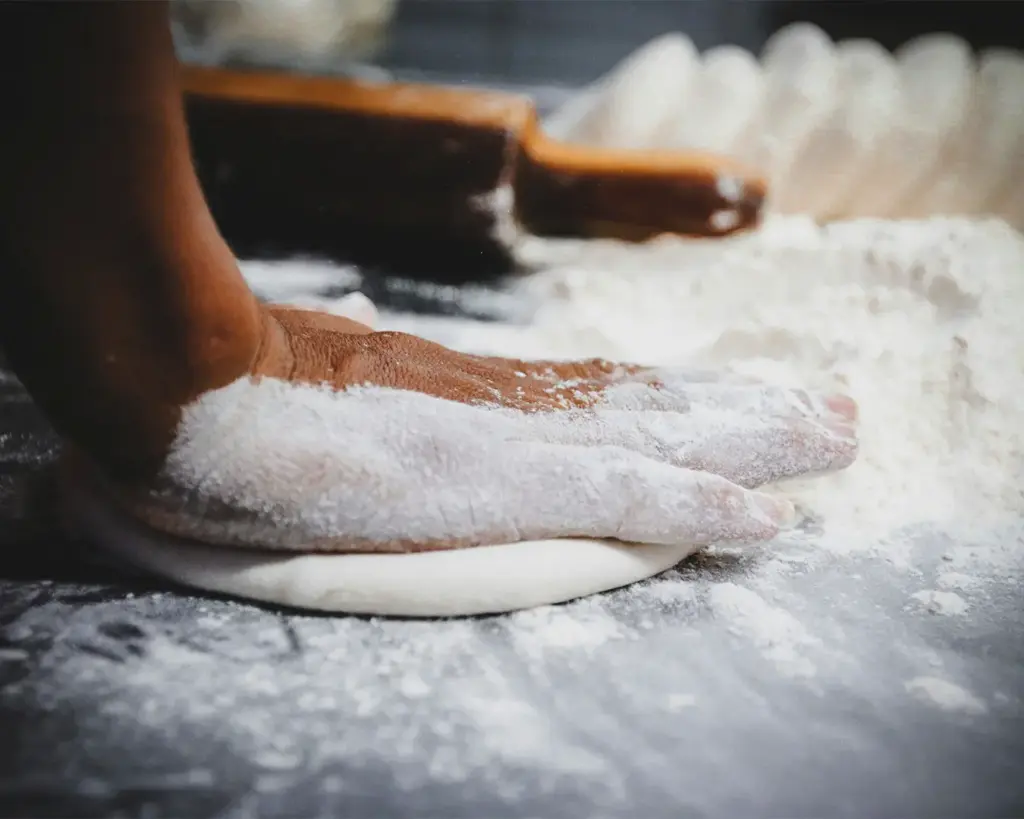
Flatbread is typically unleavened or lightly leavened, rolled thin, and cooked quickly. Flour types vary widely—wheat flour, wholemeal flour, white flour, rye flour, teff flour, semolina flour, chickpea flour, maize flour, and precooked corn flour—reflecting regional agriculture. For example, whole wheat flour is central to Indian roti and paratha, chickpea flour to Mediterranean farinata and socca, rye flour to European rye flatbread, and teff flour to Ethiopian injera.
From this base, variations arise:
-
Leavening: Some flatbreads use no leavening agents (unleavened bread), like corn tortillas or unleavened flatbread, while others, like pita or focaccia, are leavened bread.
-
Fat: Dough may be enriched with oil, butter, clarified butter, yogurt, or melted butter for softness and flavor, as in naan, paratha, or Dominican fried bread.
-
Water Temperature: Warm water is sometimes used, such as in Moroccan M’semen, to achieve the right dough texture.
-
Cooking Method: Flatbreads are baked in a hot oven, cooked on griddles or tavas, deep fried in hot oil, or traditionally cooked in tandoors or clay ovens.
Each choice shapes the final product, illustrating the versatility of flat bread.
Cooking Methods: Griddles, Tandoors, and Ovens
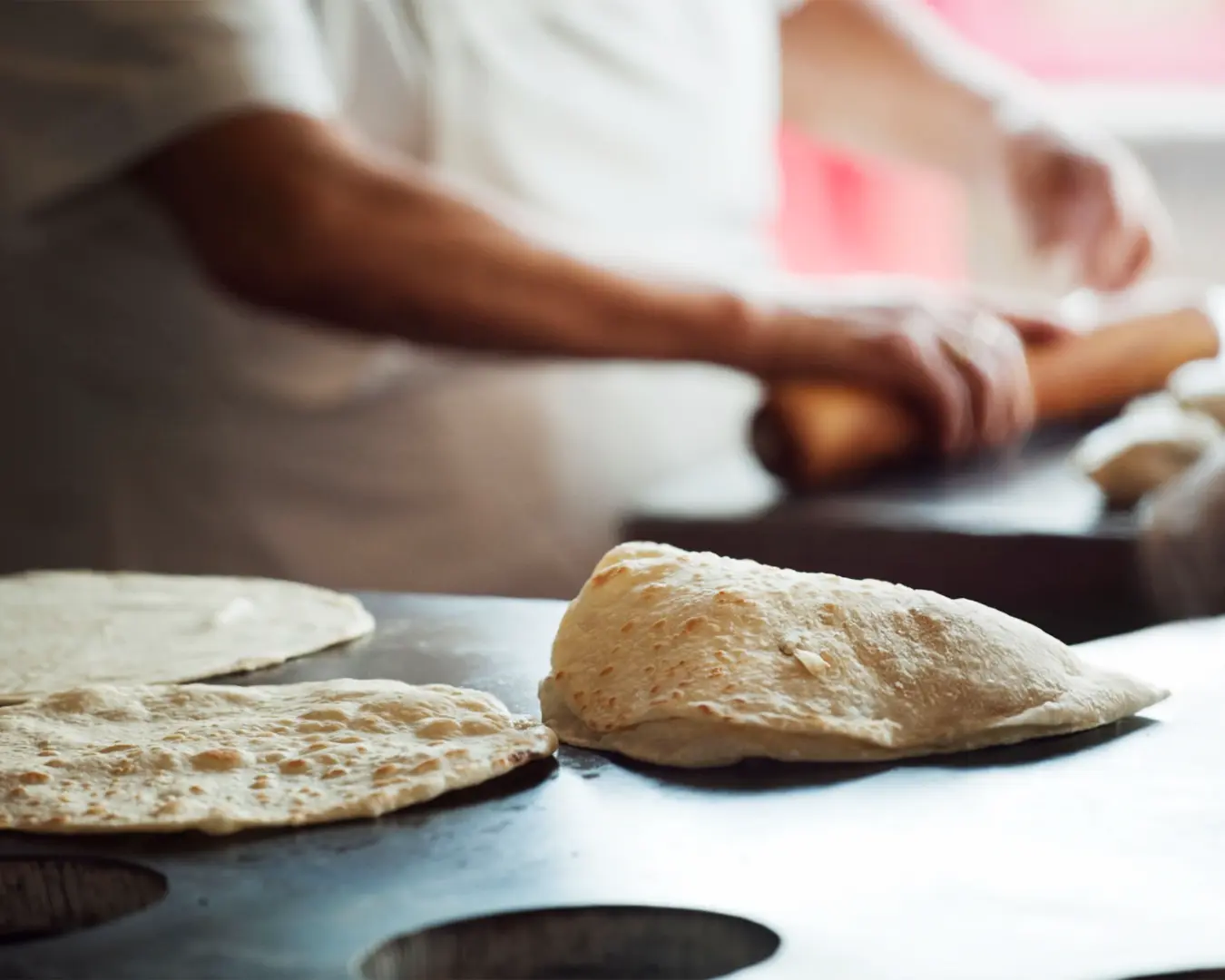
The cooking method is integral to flatbread’s character. The tandoor, a cylindrical clay oven, imparts smoky flavor and blistered texture to naan. Griddles like the Indian tava or Mexican comal cook roti, tortillas, and parathas quickly, creating crisp crusts and soft interiors. Traditional ovens, wood-fired or modern, bake breads like Egyptian aish baladi or Italian focaccia, which is enriched with olive oil and often topped with cherry tomatoes and fresh herbs.
Each cooking method not only affects the texture and flavor but also reflects the cultural heritage and available resources of the region. For instance, the tandoor’s high heat and radiant cooking style are perfect for the leavened naan, giving it its signature puff and charred spots. Meanwhile, flatbreads cooked on griddles or comals tend to have a more uniform, lightly crisp surface, ideal for wrapping or scooping food. Baking in traditional ovens, whether wood-fired or stone, allows for slow, even cooking that develops deep flavors and a satisfying crust, as seen in Mediterranean and Middle Eastern breads.
Moreover, the choice of cooking technique influences the dough’s hydration and fat content. Flatbreads destined for frying, such as Dominican fried bread, often have higher fat content for crispiness, while those baked in ovens may incorporate olive oil or butter to enrich the crumb. Understanding these methods provides insight into the perfect flatbread’s diverse forms and the artistry behind international breads.
A Tour of Global Flatbreads
Middle East and Mediterranean: Pockets and Pillows
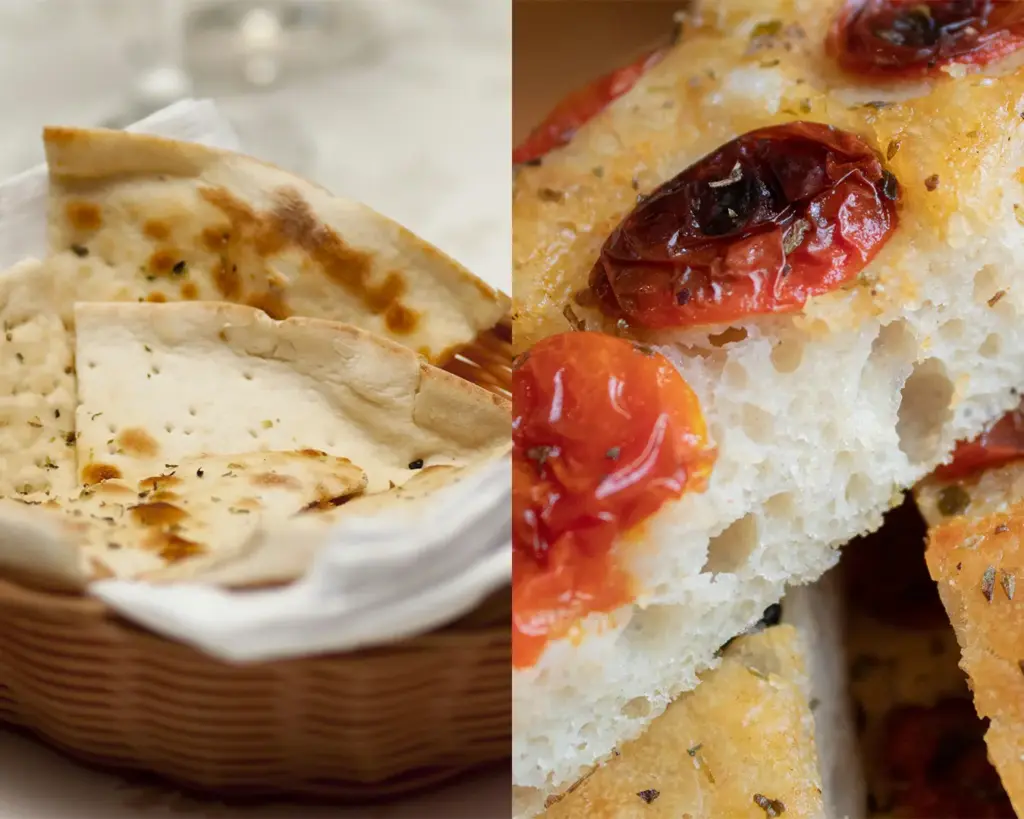
The Middle East offers iconic flatbreads prized for soft bread texture and versatility. Lebanese bread and pita bread are staples, often topped with sesame seeds, zaatar, or cheese, and served with savory fillings. Pita bread puffs up in a hot oven, creating pockets perfect for stuffing. Lavash, an unleavened flatbread, is traditionally baked on hot clay walls and can be eaten soft or dried. Focaccia, an Italian popular flatbread, is a leavened bread dimpled and drizzled with olive oil, often garnished with fresh herbs and cherry tomatoes.
South Asia: Griddled and Layered Breads
South Asia’s rich flatbread tradition includes soft flatbreads like roti, naan, and paratha, central to Indian cuisine and popular in East Africa. Roti or chapati is an unleavened whole wheat flatbread cooked on a tava. Naan is a leavened bread enriched with yogurt, milk, or eggs, baked in a tandoor, resulting in a soft texture unlike naan’s flaky cousin, paratha. Paratha is layered with ghee or oil, sometimes stuffed with spiced mashed potatoes or cheese, and cooked on a griddle with clarified butter or melted butter.
The Americas: Corn and Deep-Fried Delights
In Latin America, maize flour and precooked corn flour are foundational. Corn tortillas, made from masa harina, are cooked on a comal and serve as the base for tacos and other dishes. Arepas are thick corn cakes from precooked corn flour, grilled or baked and stuffed with cheese or meat. Dominican fried bread, or yaniqueque, is a deep fried flatbread made from rolled dough cooked in hot oil, often enriched with melted butter, resulting in a crispy, delicious street food favorite.
Africa: Unique Grains and Fermentation
Ethiopian injera is a soft flatbread made from fermented teff flour batter, cooked on a large griddle. Its spongy texture serves as both plate and utensil for stews. Rye flatbread varieties are also common in parts of Africa and Europe, made with rye flour and traditionally baked to produce hearty breads. These rye flatbreads are valued for their robust flavor and dense texture, often accompanying rich, savory dishes in colder climates where rye thrives better than wheat.
The fermentation process used in injera not only provides its distinctive tangy taste but also enhances digestibility and nutritional value, making it a staple in Ethiopian cuisine. Both types of flatbread highlight the use of local grains and traditional baking methods that have been passed down through generations, illustrating the deep cultural significance of flatbreads around the world.
Egypt: Ancient Grains and Aish Baladi
Egypt’s aish baladi is a whole wheat flatbread traditionally baked in wood-fired ovens. Made from whole wheat flour, salt, and water, it has a soft bread texture with a slightly chewy crust. Often served with fava beans or cheese, aish baladi is emblematic of Middle Eastern bread culture.
Aish baladi holds a special place in Egyptian daily life, often referred to simply as “bread” by locals, reflecting its staple status. The bread’s preparation involves a simple dough that is hand-kneaded and left to rest briefly before being shaped into thick rounds. These rounds are then baked in traditional stone ovens, which impart a distinctive smoky flavor and a slightly charred exterior. The result is a nourishing flatbread that complements a wide variety of Egyptian dishes, from hearty stews to fresh salads. Its dense yet tender crumb makes it ideal for scooping up dips like baba ganoush or dipping into olive oil and zaatar mixtures.
Combining Egg and Potato Mixture
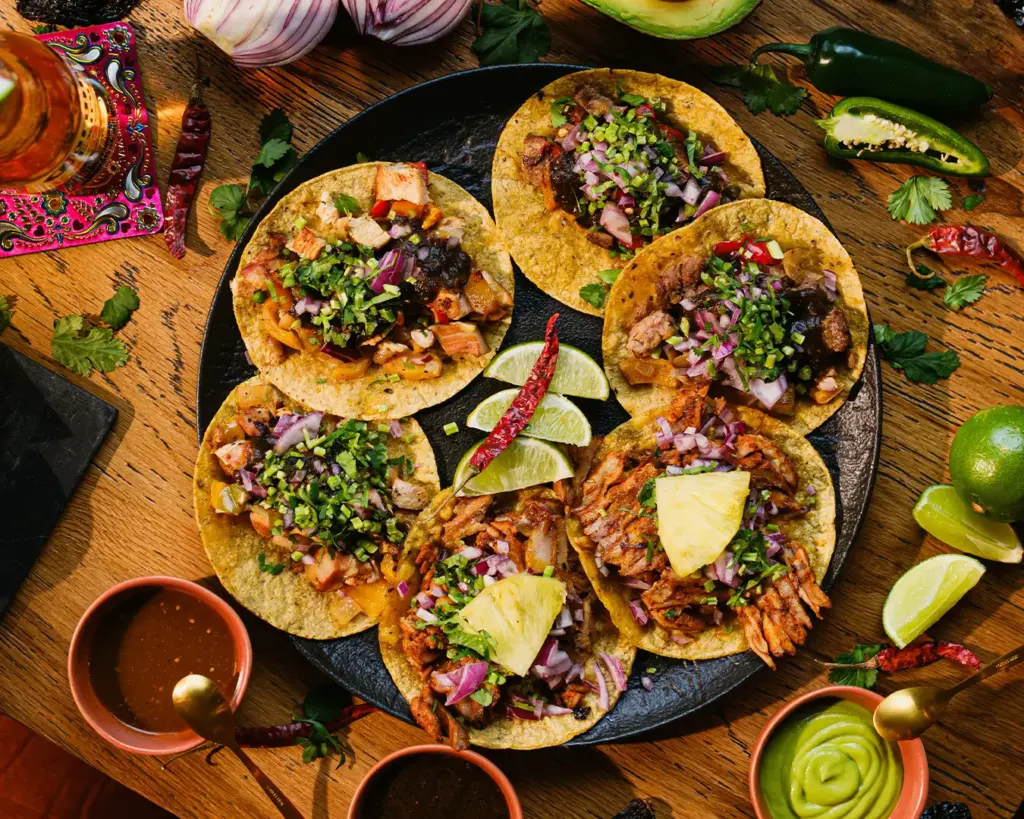
Flatbreads are popular street food worldwide. Street vendors prepare and sell varieties like Indian paratha stuffed with savory fillings, Middle Eastern manakish topped with zaatar and cheese, or Mexican corn tortillas filled with fresh vegetables and meats. These breads are often cooked fresh on griddles or deep fried in hot oil, showcasing their versatility and cultural importance.
Street food versions of flatbreads often feature creative adaptations tailored to local tastes and available ingredients. For example, in India, parathas are commonly stuffed with spiced potatoes, paneer, or greens, then pan-fried with ghee or clarified butter to achieve a crispy, flaky texture. In the Levant, manakish is not only topped with traditional zaatar but also with a variety of cheeses, minced meats, or even sweet toppings, making it a versatile meal or snack.
Mexican street vendors serve corn tortillas as soft tacos, filled with an array of ingredients such as grilled meats, fresh salsas, and pickled vegetables, offering a burst of flavor in every bite. The accessibility and portability of these flatbreads make them ideal for busy urban environments, allowing people to enjoy a satisfying meal on the go while preserving culinary traditions.
Cultural Significance and Home Baking
Flatbreads symbolize community, hospitality, and tradition. Many flatbreads are gluten free, made with chickpea flour or teff flour, catering to diverse diets.
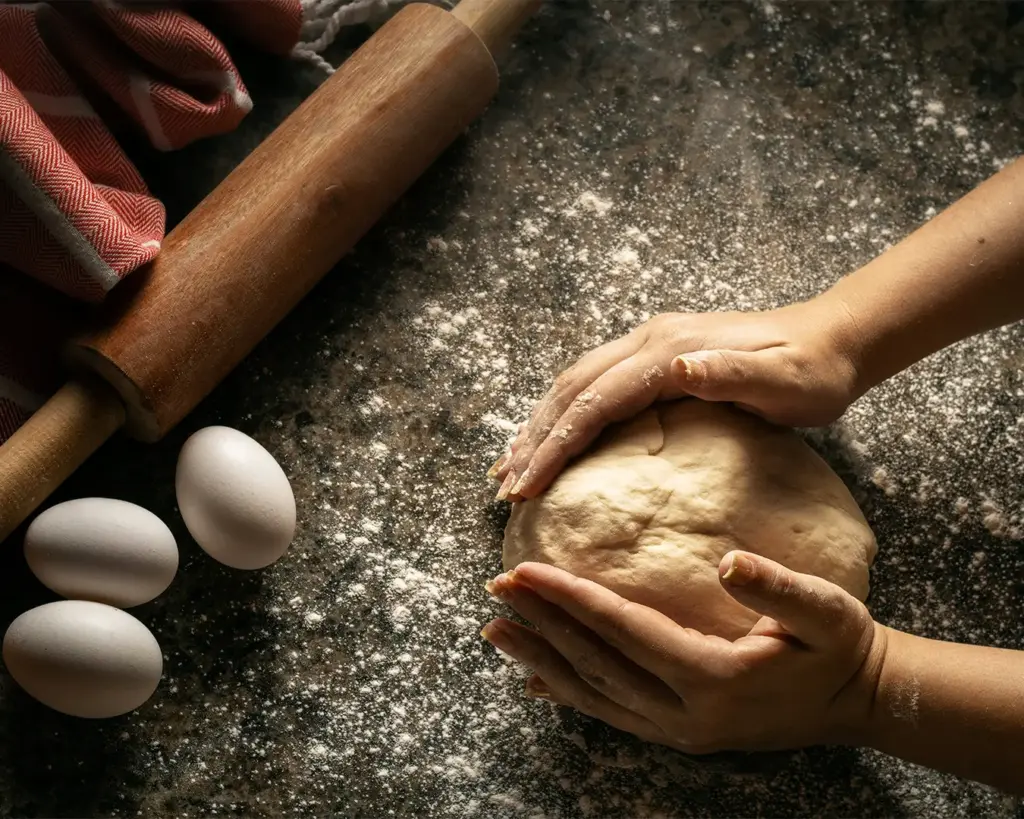
Home bakers can explore international flatbreads, from unleavened roti to leavened focaccia, using simple ingredients like flour, salt, oil, and water. Toppings such as sesame seeds, fresh herbs, and olive oil enhance flavor. Baking flatbread connects us to a rich heritage and offers endless delicious possibilities.
Beyond nourishment, flatbreads hold deep cultural meaning. In Middle Eastern cultures, offering fresh flatbread is a gesture of hospitality. Communal baking in traditional clay ovens preserves ancestral knowledge and fosters social bonds.
Flatbreads reflect regional flavors and traditions—from Levantine za’atar on manakish to Indian ghee in parathas and Ethiopian injera’s tangy fermentation. For home bakers, experimenting with wholemeal flour, rye flour, or precooked corn flour, and cooking methods like baking in a hot oven or on a griddle deepens appreciation for this ancient food. Versatile as a side dish, wrap, or snack, flatbreads are a great bread choice for any meal.
In essence, flatbreads are more than food—they symbolize shared heritage, creativity, and the joy of breaking bread together.
The Diversity of Flatbreads
Flatbreads have been a staple food across continents for thousands of years, adapting to the local environment and available grains. They serve not only as nourishment but also as cultural symbols, often accompanying meals as a side dish or acting as edible utensils to scoop up dips, stews, and sauces. The art of rolling dough with a rolling pin, seasoning it with olive oil or fresh herbs, and cooking it to perfection has been passed down through generations, resulting in a plethora of recipes that reflect the diversity of human civilization.
From the pocketed perfection of pita bread to the indulgent crunch of Dominican fried bread, flatbreads showcase the incredible versatility of bread made from basic ingredients. Whether you bake bread in a traditional oven or cook it on a griddle, flatbreads connect us to centuries of culinary heritage and global flavors.
Embrace the joy of making and sharing these breads, and experience the rich traditions that unite cultures through the simple pleasure of bread. To embark on a culinary adventures from around the globe, you can visit my website at wanderbitesblog.com and join us on this flavorful journey.