
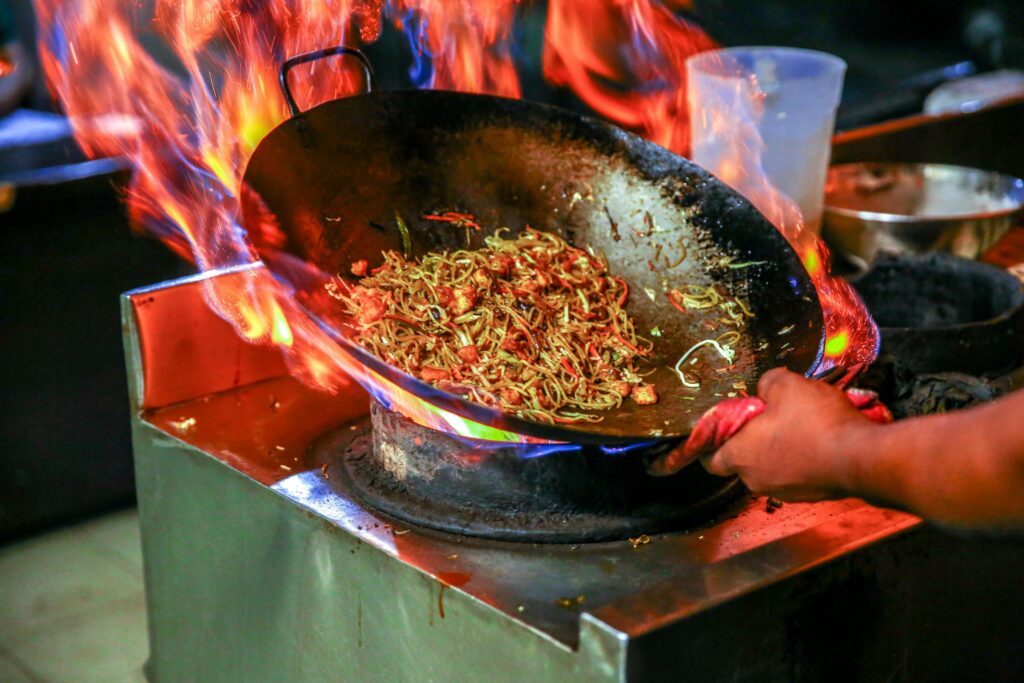
I still remember the first stir-fry I ever made. It was a sad, soggy mess. I’d tossed a mountain of wet broccoli and pale chicken into a nonstick skillet, drowned it in bottled sauce, and ended up with a gray, watery stew. It tasted nothing like the vibrant, smoky, and intensely savory dishes I loved from my favorite Chinese restaurant. I was convinced that real stir-frying was a form of culinary magic, impossible to replicate in a home kitchen.
I was wrong. The secret isn’t magic; it’s technique. A great stir-fry is a dance of heat, timing, and preparation. It’s about understanding a few core principles that transform everyday ingredients into something spectacular. Mastering these techniques will help you consistently create a great recipe at home, no matter what ingredients you have on hand. This guide is your backstage pass to learning those techniques. Forget the soggy vegetables and bland proteins. Tonight, you’re going to learn how to stir-fry at home and make a dish so good you’ll wonder why you ever ordered takeout.
Why Stir-Fry Works
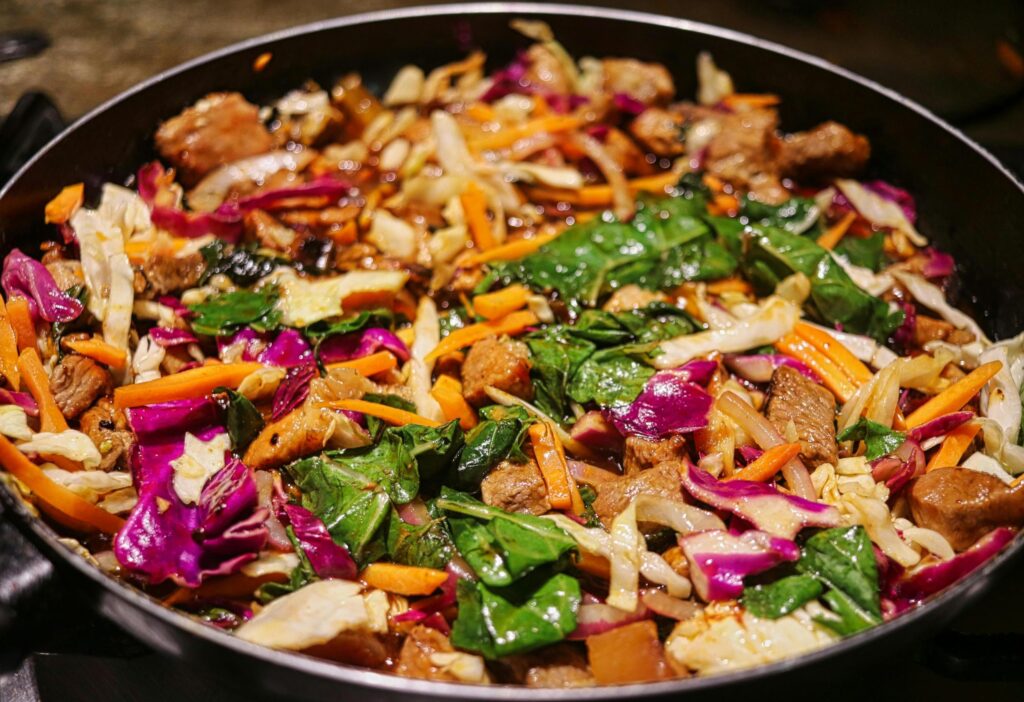
At its heart, stir-frying is a high-heat cooking method designed for speed. Mastering Chinese stir fry techniques is essential for achieving vibrant, delicious stir fries that rival those from popular Chinese restaurants. The process begins with understanding the importance of a hot wok and using cooking oils with a high smoke point, such as peanut oil, rice bran oil, or avocado oil, to ensure the ingredients sear properly without burning. When making stir fry, proper technique and attention to each step are crucial for the best results. Whether you’re making a classic beef stir fry with flank steak or beef chuck steak, or a flavorful chicken stir fry featuring chicken thighs, the key lies in the precise timing and sequence of adding ingredients to the wok.
Using a carbon steel wok or a large frying pan with a flat bottomed wok design helps distribute heat evenly, allowing for the perfect wok hei—the smoky, charred aroma prized in Chinese cuisine. Woks, with their sloping sides and ability to handle high heat, are ideal for stir-frying because they allow for easy stirring, flipping, and even heat distribution. Start cooking by heating a dry wok over medium high heat until it shimmers, then add your chosen cooking oil. Add protein like beef chuck or chicken, searing it briefly before removing it to prevent overcooking. Next, add vegetables such as bell pepper, green onions, snap peas, baby corn, napa cabbage, bok choy, snow peas, and water chestnuts in small chunks, grouping them by cooking time to ensure even stir frying.
A great fry recipe balances textures and flavors, often enhanced by a stir fry sauce made from soy sauce, oyster sauce, hoisin sauce, shaoxing wine, and a splash of rice wine. To thicken the sauce, incorporate a slurry of potato starch mixed with cold water from a small cup. Adding red pepper flakes can provide a subtle kick, while sesame seeds sprinkled at the end add a nutty crunch. Use a wok spatula to stir and toss all the food continuously, moving ingredients from the center of the wok to the cooler sides to control cooking temperature.
Pre cooking techniques like blanching vegetables in boiling water or velveting meat with baking soda and cornstarch can elevate your dish by ensuring tenderness and vibrant color. Whether you prefer skirt steak, flank steak, or beef chuck, or opt for chicken thighs in your chicken stir fry, these Chinese cooking methods guarantee a restaurant-quality meal. The science is simple but powerful. When ingredients hit a searingly hot wok, two things happen almost instantly. First, the intense heat creates a Maillard reaction, the chemical process responsible for the delicious browning and complex, savory flavors in everything from seared steak to toasted bread. Second, the quick cooking time ensures vegetables stay crisp and vibrant, sealing in their nutrients and fresh taste. It is essential that all ingredients are properly cooked to achieve the ideal texture and flavor in your stir fry.
Wok vs. Skillet: Does It Matter?
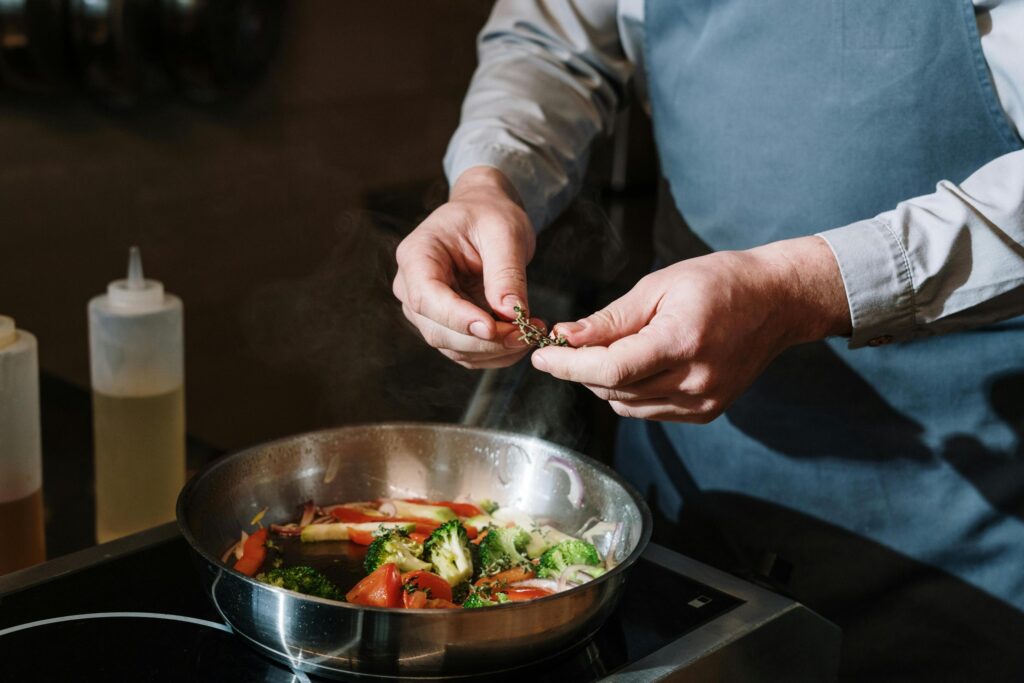
The classic vessel for stir-frying is a wok, and for good reason. Its concave shape creates distinct heat zones: a scorching hot base for searing and cooler, sloping sides for pushing ingredients up and away from the intense heat. This design makes it easy to toss food and manage cooking temperatures.
However, many home cooks can achieve excellent results with a large, flat-bottomed skillet—especially on an electric or induction stove. The key is not to crowd the pan, allowing ingredients to make direct contact with the hot surface.
-
When to use a wok: A carbon steel wok is ideal for gas stoves, where the flames can lick up the sides, heating the entire vessel. A round bottomed wok, in particular, creates distinct heat zones and is preferred for traditional stir-frying techniques.
-
When to use a skillet: A 12-inch cast iron or stainless steel skillet is a great alternative for electric or induction burners. It retains heat well and provides a large, flat surface for searing.
Wok, Burner, and Heat Management
If you invest in a wok, choose a 14-inch, flat-bottomed carbon steel wok. It’s versatile, affordable, and develops a natural nonstick surface over time. On a standard home burner, your goal is to get your pan as hot as possible. Preheat it over high heat until you see a faint shimmer of smoke rise from the oil. The ‘cold wok’ method, also known as the ‘hot wok, cold oil’ technique, involves starting with a cold wok and adding oil before heating; this helps enhance flavor and creates a nonstick surface for better stir-fry results.
Understanding Wok Hei
Wok hei translates to “the breath of the wok.” It’s that elusive, smoky, slightly charred flavor that defines a restaurant-quality stir-fry. It’s created when atomized fats and sugars combust in the intense heat of a commercial wok burner, infusing the food with its signature aroma. While it’s nearly impossible to fully replicate on a home stove, you can get close by ensuring your pan is screaming hot and avoiding overcrowding.
The Power of Mise en Place
Mise en place is a French term meaning “everything in its place.” For stir-frying, it is non-negotiable. Once the cooking starts, you won’t have time to chop a scallion or measure soy sauce.
Your Stir-Fry Mise en Place Checklist:
-
Proteins: Sliced thin, patted completely dry, and marinated or “velveted.”
-
Vegetables: Washed, cut into uniform, bite-sized pieces, and patted completely dry. Group vegetables by cooking time (e.g., carrots and broccoli in one bowl, snow peas and bok choy in another). When stir-frying, add broccoli with other firm vegetables at the beginning to ensure it cooks to the perfect texture.
-
Aromatics: Minced garlic, ginger, and sliced scallions ready in a small bowl.
-
Sauce: All sauce ingredients whisked together in a liquid measuring cup.
-
Slurry: Cornstarch and cold water mixed in a small bowl.
-
Oils & Wine: High-smoke-point oil (like canola or avocado) and Shaoxing wine placed next to the stove.
Velveting Proteins for Tenderness
Ever wonder why chicken in a Chinese restaurant is so incredibly tender and juicy? The secret is velveting. This simple technique involves coating thinly sliced meat in a mixture of cornstarch, egg white, and other seasonings before briefly blanching it in oil or water. This creates a protective coating that locks in moisture during the high-heat cooking process. For best results, add chicken to the hot wok immediately after velveting, allowing it to finish cooking and absorb the flavors of the stir-fry.
Blooming Aromatics Correctly
Aromatics like ginger, garlic, and scallions form the flavor base of your stir-fry. They need to be bloomed in hot oil to release their fragrant compounds, but they burn easily. The trick is to add them to the hot wok after the protein has been seared, swirl them in the oil for just 15-30 seconds until fragrant, and then immediately add your vegetables to cool the pan down slightly.
The Sequence of a Stir-Fry
Timing and sequence are everything. Follow this order for perfect results every time.
A Quick Stir-Fry Timeline:
-
T-minus 15 mins: Complete your mise en place.
-
0:00: Preheat your wok over high heat until smoking. Add oil.
-
0:15: Add your velveted protein in a single layer. Sear for 1-2 minutes until browned. Remove from wok.
-
2:30: Add a bit more oil. Add hard vegetables (like broccoli or carrots) and stir-fry for 2-3 minutes.
-
5:00: Add aromatics and stir-fry for 30 seconds until fragrant.
-
5:30: Add softer vegetables (like bok choy or snow peas) and stir-fry for 1 minute.
-
6:30: Deglaze the pan with a splash of Shaoxing wine.
-
6:45: Return the protein to the wok. Add your pre-mixed sauce and bring to a simmer.
-
7:30: Stir your cornstarch slurry and pour it in, stirring until the sauce thickens.
-
8:00: Turn off the heat, stir in sesame oil, and serve immediately.
Building a Perfect Stir-Fry Sauce
A great sauce is balanced—salty, sweet, and savory. It should coat the ingredients, not drown them. The final step is always to thicken it with a slurry, a mixture of cornstarch and cold water. This gives the sauce a glossy, clingy consistency. Always re-whisk your slurry right before adding it, as the cornstarch settles quickly.
Troubleshooting and Pro Tips
-
Soggy Vegetables? Your pan wasn’t hot enough, you crowded it, or your vegetables were wet. Pat everything dry!
-
Pale Protein? Again, not enough heat. Let the meat sear without moving it for at least a minute to develop a good crust.
-
Watery Sauce? Your slurry wasn’t thick enough, or your vegetables released too much water. Add a little more slurry to thicken it up at the end.
Stir-Fry Do’s and Don’ts:
-
DO prepare everything in advance.
-
DON’T add wet ingredients to hot oil.
-
DO get your wok screaming hot.
-
DON’T crowd the pan. Cook in batches if needed.
-
DO serve and eat immediately.
Safety and Cleanup Shortcuts
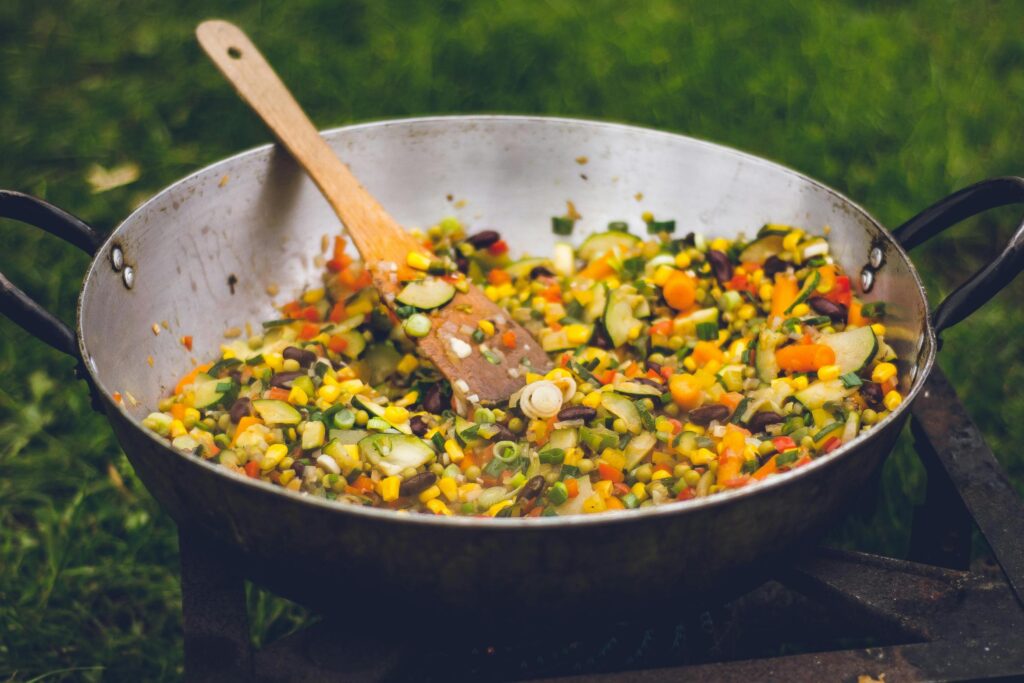
Working with high heat requires focus. Keep flammable materials away from the stove, and be prepared for some smoke. Turn on your exhaust fan before you start.
For cleanup, clean your carbon steel wok while it’s still warm. Use hot water and a soft sponge or bamboo brush. Avoid soap, as it can strip the seasoning. Dry the wok completely over low heat on the stove before storing to prevent rust.
Your Stir-Fry Journey Begins Now
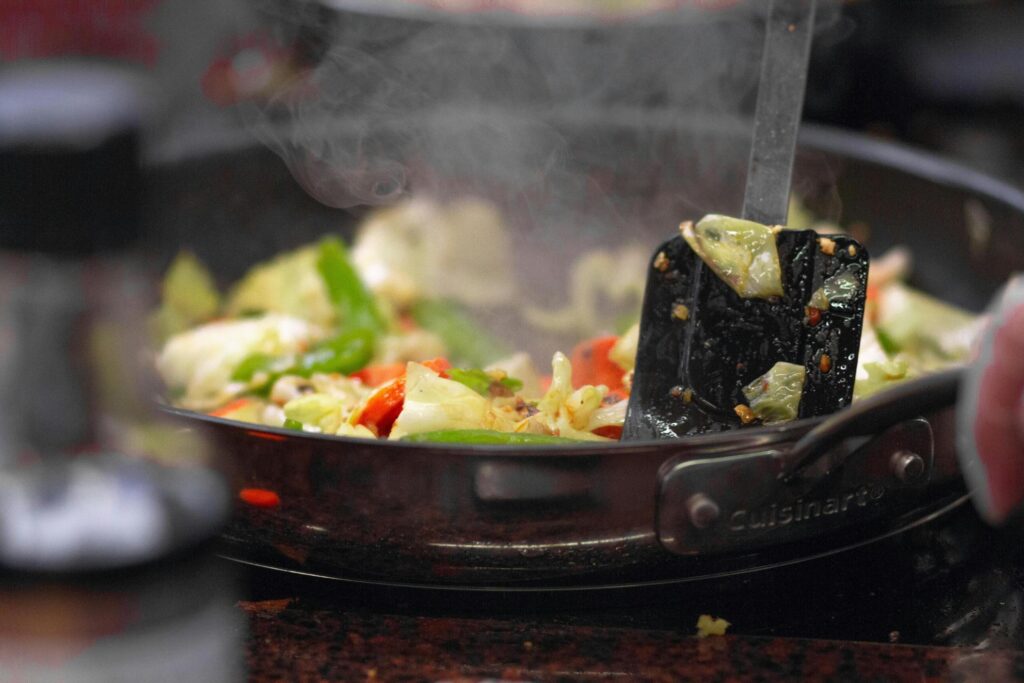
The path to a perfect stir-fry is paved with practice. But with these Chinese stir-fry techniques, you are no longer just guessing—you are cooking with purpose. You understand the power of heat, the importance of preparation, and the sequence that builds layers of incredible flavor. Save this guide, share your results in the comments, and welcome to the exciting world of stir-frying. For more delicious recipes and cooking tips, be sure to visit my website at Wander Bites and join the culinary adventure.