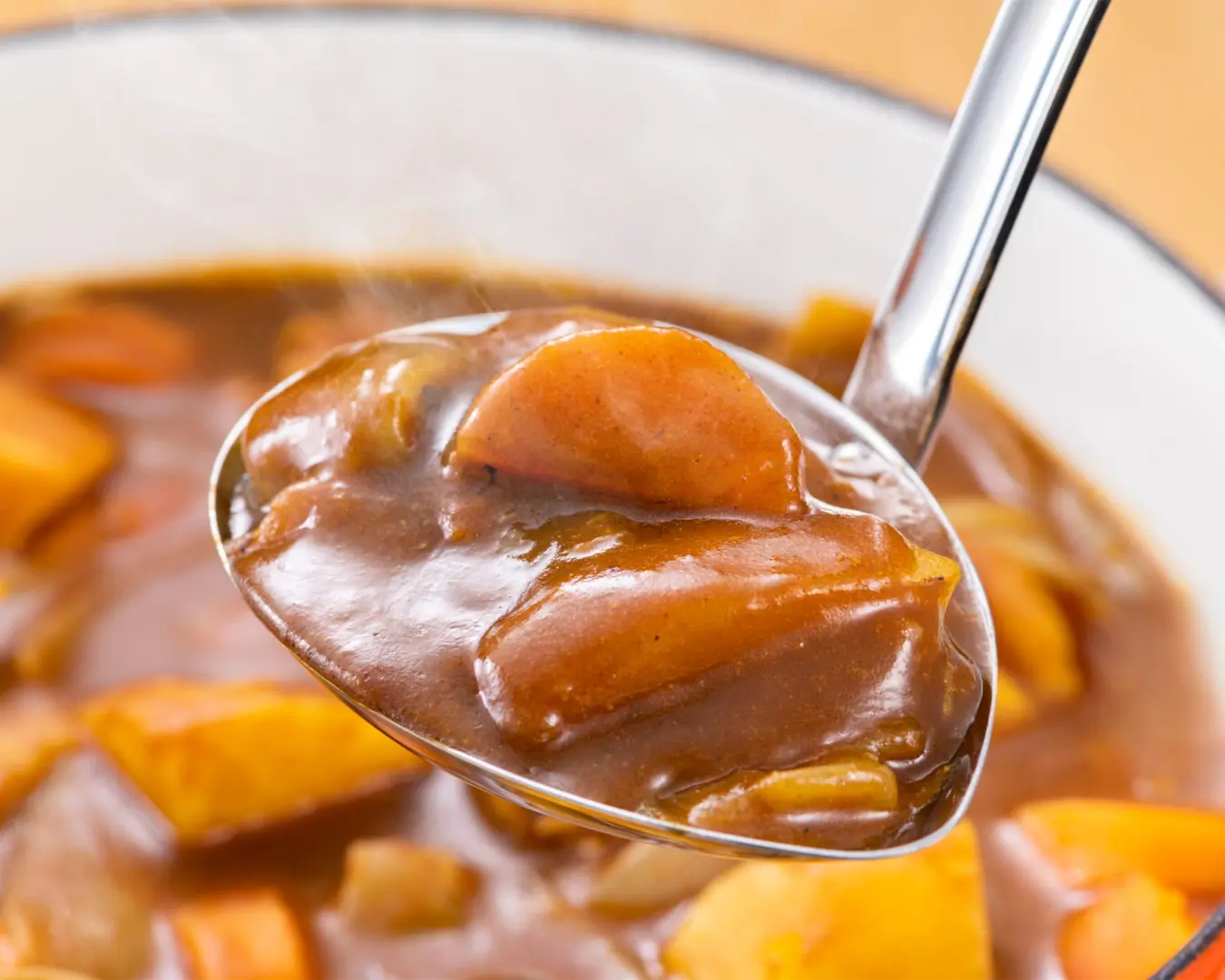
Step into a small, unassuming eatery in Tokyo on a rainy afternoon, and you will immediately understand why this dish has captured the heart of a country. The air is thick with a savory, sweet aroma that wraps around you like a heavy woolen blanket. Behind a worn wooden counter, a chef ladles a generous ladle of dark, glossy curry sauce over a mound of steaming fluffy rice. This is the enduring magic of curry in Japan.
For the culturally curious traveler, I would like to explain how Japanese food culture often evokes images of delicate sushi, precise kaiseki meals, or pristine bowls of clear broth. Yet, I must say that the reality of everyday Japanese cuisine is much warmer and heartier. Japanese curry is the ultimate domestic comfort food. It is a dish that tells a fascinating story of cross-cultural exchange, evolving from a foreign maritime ration into a beloved culinary institution warming generations of Japanese people.
The Origins of Curry in Japan
To understand the roots of this dish, we must look to the sea. Curry was first introduced to Japan in the late 19th century during the Meiji era, a time when the country was rapidly opening its doors to the outside world. Surprisingly, it did not arrive directly from India. Instead, it was brought over by the British Royal Navy, who had adopted their own version of Indian curry as a hearty, easily digestible stew for sailors at sea.
The Japanese Imperial Navy, looking to improve the diets of their own sailors, quickly adopted the dish. It was nutritious, easy to prepare in bulk, and filling. Even today, the legacy of this maritime introduction lives on in Yokosuka navy curry, a famous regional specialty served in the port city of Yokosuka, prepared using recipes that date back over a century.
How Curry Was Introduced to Japan and Adapted to Japanese Tastes
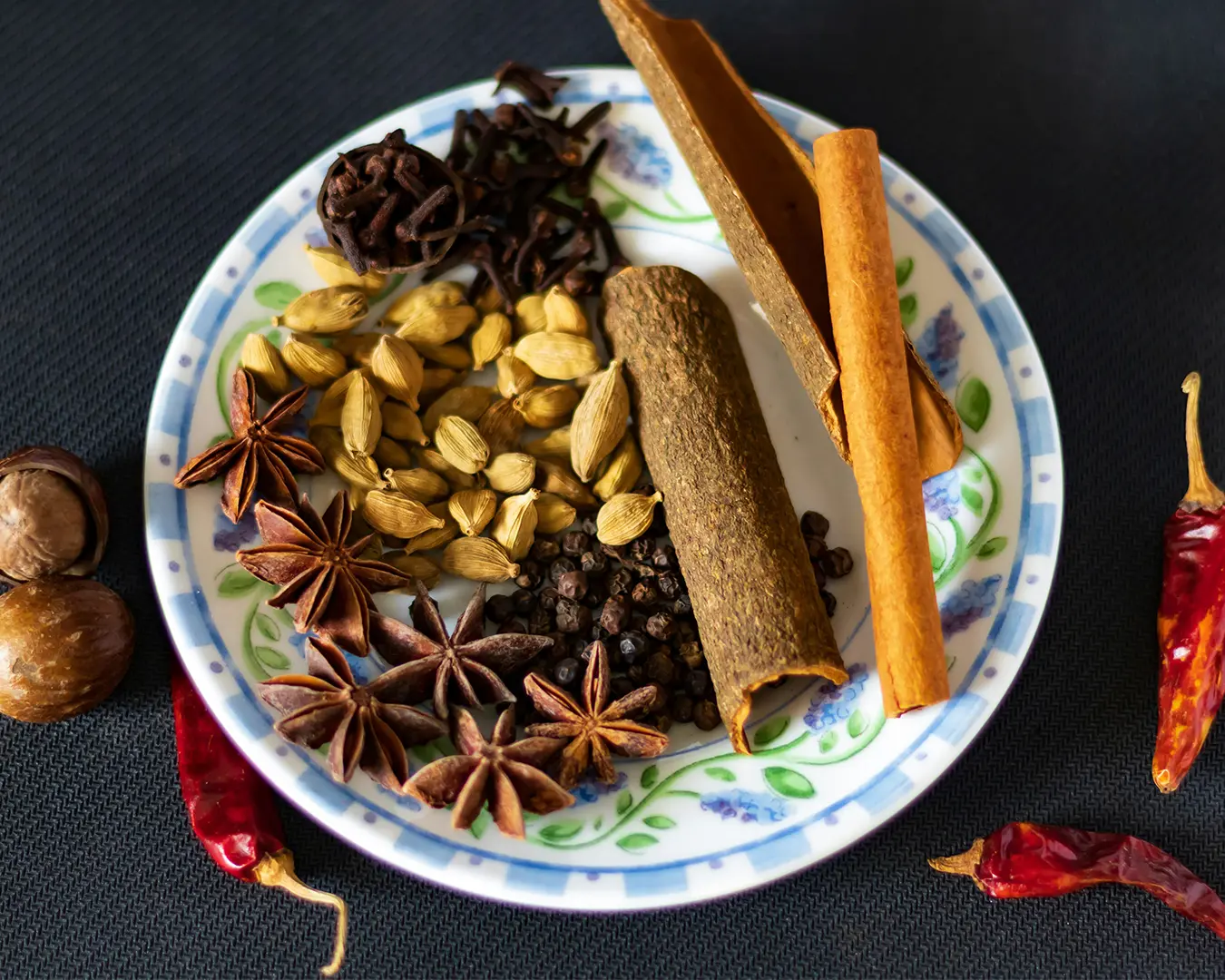
When curry transitioned from naval mess halls to civilian kitchens, it underwent a profound transformation. The chefs and home cooks of the era took this foreign concept and gently molded it to suit Japanese tastes. The aggressive heat was dialed back, replaced by a nuanced, savory sweetness.
To build this new flavour profile, cooks began incorporating familiar domestic ingredients alongside the imported curry powder. A splash of soy sauce added deep umami. A grated apple or a drizzle of honey introduced a comforting sweetness.
Some kitchens even added a splash of red wine to enrich the cooking liquid. Through these subtle adjustments, the dish shifted from an exotic import into a wonderfully traditional Japanese curry (which was also explored in Curry Chronicles: Unraveling the Unique Tale of the “Best Japanese Curry Singapore”), tailored perfectly to the local palate.
What Makes Japanese Curry Different from Indian Curry
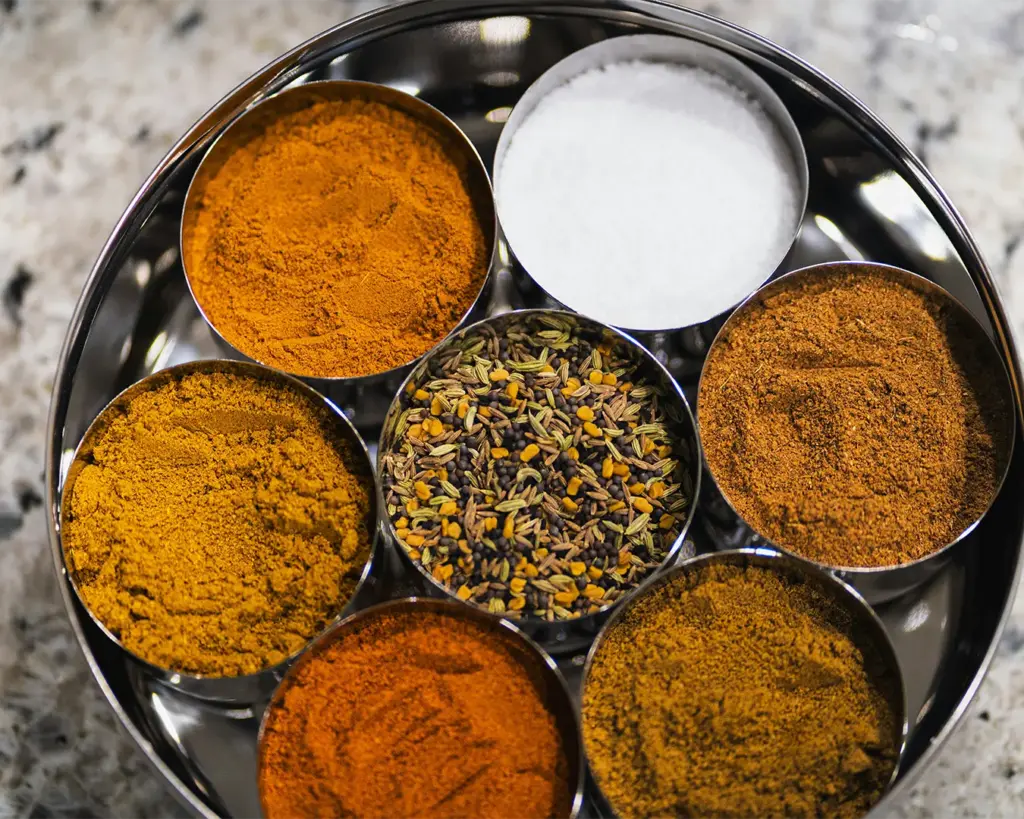
If you are expecting the vibrant, oil-separated gravies or the sharp, toasted whole spices of South Asia, the Japanese version will offer a delightful surprise. What makes Japanese style curry distinct from other curries is its texture and its inherent gentleness.
While Indian curry often relies on a base of sautéed onions, tomatoes, and a complex layering of dry and fresh spices, the Japanese iteration is undeniably a stew. It boasts a thick, gravy-like sauce that clings beautifully to cooked rice. The spice blend leans heavily on turmeric, coriander, and cumin, producing earthy flavors rather than fiery heat. You will often find thick pieces of meat and vegetables suspended in the rich broth, slowly simmered until they are tender enough to cut with a spoon. It is less about the sharp bite of chilies and more about a rounded, harmonious warmth.
The Role of Curry Roux in Japanese Home Cooking
If you want to truly understand how this dish anchors Japanese households, you have to look in the pantry. The true catalyst for the nationwide popularity of this meal was the invention of the Japanese curry roux block in the 1950s.
Before these convenient blocks existed, making the dish required a tedious process of toasting flour, butter, and spices. Today, store bought curry roux makes the process beautifully simple. Brands like House Foods produce iconic products like Vermont Curry (famous for its addition of apple and honey) which can be found in almost every home kitchen.
Mastering Your Own Curry Sauce
To make Japanese curry at home, you start with a large pot over medium high heat. You brown your chosen meat and vegetables; usually chicken, beef, or pork, alongside carrots, potatoes, and perhaps some crisp lotus root. You pour in boiling water or a gentle stock, letting the ingredients soften. Finally, you turn off the heat and snap in blocks of the solid Japanese curry roux.
As they dissolve into the hot water, the thin broth magically transforms into a thick, velvety sauce. It is a wonderful recipe for busy weeknights (trust me, I make curry, I can vouch for it), requiring no complex recipe card, just a few fresh ingredients and a trusted box of roux.
The love for the dish is so profound that these establishments often sell frozen curry pouches to take home. Furthermore, many locals will intentionally make massive batches of home cooking just so they can store Japanese curry in the fridge; it is a widely held belief that the meat and sauce meld together to taste even better on the second day.
Popular Curry Dishes in Japan
The versatility of this sauce has spawned a diverse family of dishes across the country. Whether you are dining at casual Japanese restaurants or eating a quick meal at a train station, you will encounter brilliant variations of this comfort food:
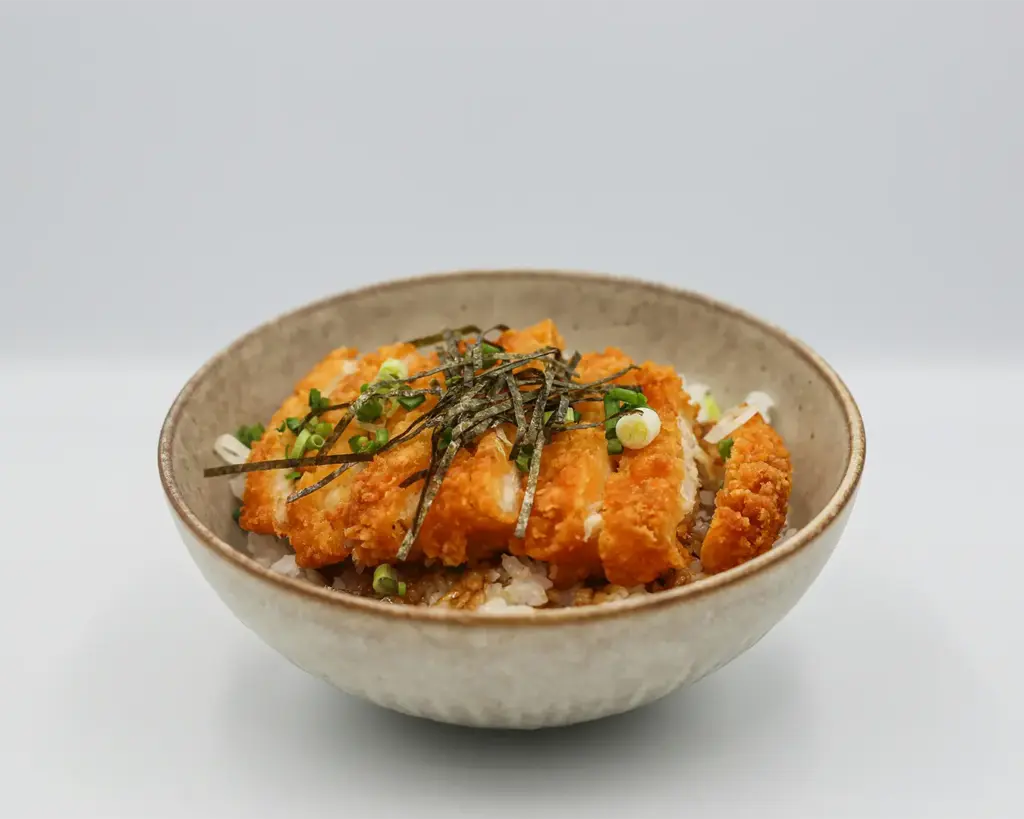
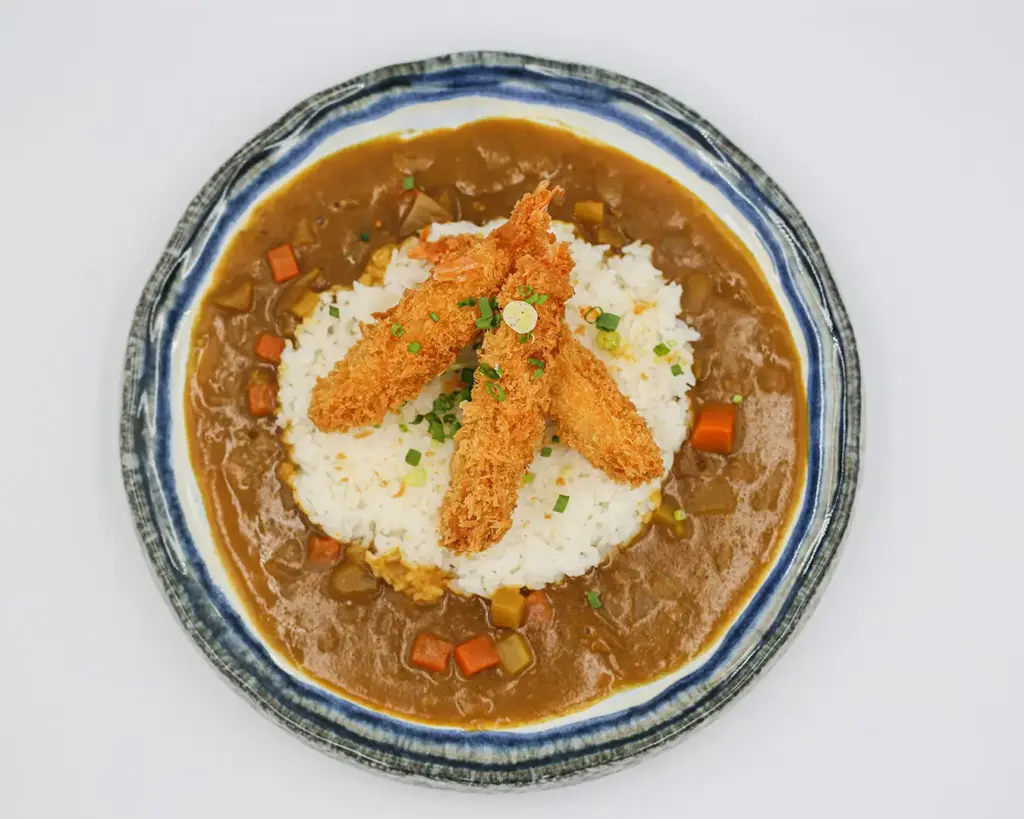
Katsu Curry: The undisputed king of indulgence. A massive plate of Japanese curry rice topped with a crispy, deep fried pork cutlet (pork katsu) or a tender chicken cutlet (chicken katsu). The crunch of the breading against the rich sauce is a textural masterpiece.
Curry Udon and Curry Soba: Here, the thick sauce is thinned out with dashi (a traditional soy sauce based liquid) creating a rich, slurpable broth that coats thick, chewy udon noodles or nutty buckwheat soba.
Soup Curry: A specialty of Hokkaido, this dish features a much lighter, broth-like consistency, often showcasing beautifully roasted local vegetables and a whole, fall-off-the-bone chicken leg.
Kare Pan: A bakery staple where a spoonful of savory dry curry wrapped in sweet bread dough is coated in panko breadcrumbs and fried to golden perfection.
Curry Ramen: A brilliant fusion where the earthy spices of curry meet the rich, complex broths of traditional ramen, creating a deeply satisfying winter meal.
Inside a Japan Curry Restaurant Experience
To experience the modern pulse of this dish, one must visit a dedicated Japan curry restaurant. Chains like Coco Ichibanya have elevated the humble plate of white rice and brown sauce into a highly customizable culinary adventure.
When you sit at the counter, the menu reads like a choose-your-own-adventure novel. You select your base, dictate the exact volume of rice, and carefully calibrate your spice levels. Then comes the fun part: choosing from dozens of side dishes and toppings, ranging from a simple boiled egg to a sizzling hot chicken katsu.
Garnishes and Pickled Vegetables
A vital part of the restaurant experience is the garnishes. A proper plate of hot curry is always served with brightly colored pickled vegetables, known as fukujinzuke, which provide a sweet, crunchy contrast to the heavy stew. Sometimes, a tart pickled plum or pickled shallots are offered to cut through the richness.
Why Japanese Curry Became a National Comfort Food
When we trace the journey of curry in Japan, we see a beautiful reflection of the country’s broader culinary philosophy. It is a story of adoption, meticulous refinement, and ultimate mastery. What began as a utilitarian ration for sailors has been lovingly transformed into something uniquely Japanese.
Whether it is a mother dissolving a block of roux for her children, or a tired office worker finding solace in a late-night plate of katsu curry, this dish represents consistency, warmth, and care. The complex spices are softened to create a dish that doesn’t challenge the palate, but rather embraces it.