In the sun-drenched south of France, beekeeping in Provence is a cherished tradition, where passionate beekeepers nurture hives amid fragrant lavender fields, thyme, rosemary, and wildflowers. The gentle hum of bees head out daily to collect nectar, crafting honeys that capture the region’s unique terroir. This natural process results in a diversity of honeys, from the delicate lavender honey to robust garrigue honey, each with its own creamy texture and rich aromas.
Discover more about these delightful flavors and the art of beekeeping in Provence by visiting Wander Bites Blog.
Beekeeping in Provence: A Tradition Rooted in Nature and Passion
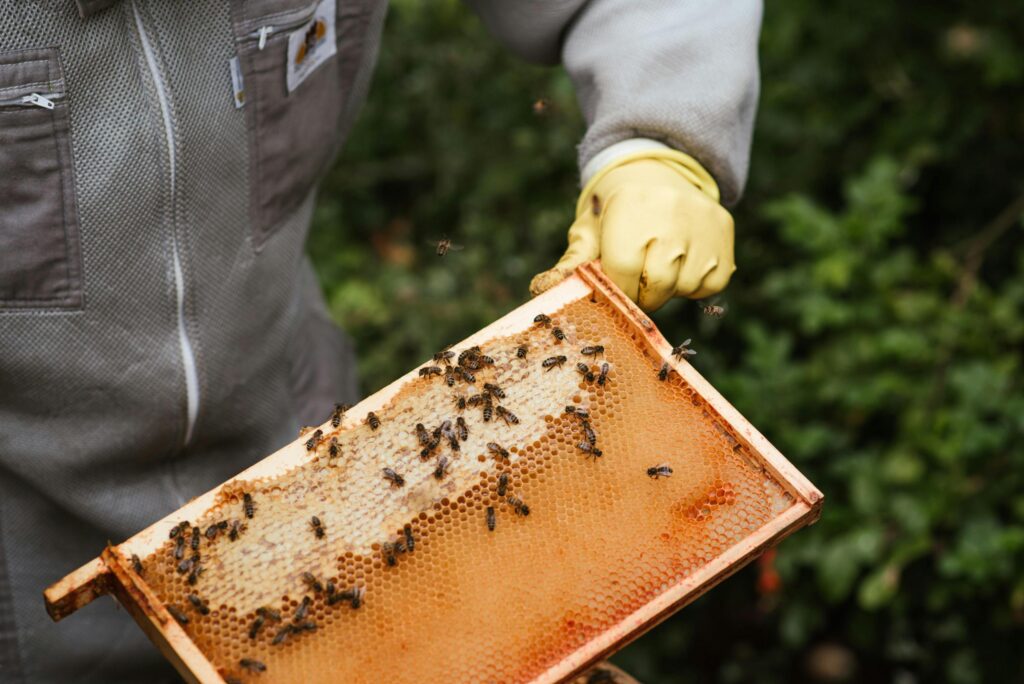
Provence’s beauty is reflected not only in its landscapes but also in the authentic honey harvested here. The Alpes de Haute Provence, with its mineral-rich soils and diverse flora, provides an ideal environment for bees. Here, beekeepers carefully tend their hives, ensuring sustainable practices that protect both bees and the environment.
The region’s honey embodies the richness of its flowers—lavender, chestnut, white heather, and thyme—each contributing unique flavors and scents. The bees head out daily to collect nectar and pollen, which are essential for producing the distinctive honeys of Provence. This harmonious relationship between the bees and the diverse flora results in products that are celebrated for their authenticity and quality.
The diverse topography of Provence, ranging from mountainous areas to rolling hills and expansive plains, creates a variety of microclimates that influence the flowering periods and nectar availability. This diversity allows beekeepers to move their hives strategically throughout the seasons, following the bloom of different plants to maximize honey production and flavor complexity. The practice of transhumance, or seasonal migration of hives, is a testament to the deep knowledge and dedication of Provençal beekeepers.
Moreover, the traditional methods employed in beekeeping here emphasize respect for natural cycles and minimal intervention, preserving the bees’ health and the purity of the honey. Many beekeepers in the region are passionate advocates for biodiversity, often planting native flowers and maintaining wildflower meadows to support the ecosystem. This commitment not only benefits the bees but also enhances the overall quality and variety of honeys produced.
Visitors to Provence can often witness this intricate process firsthand, gaining insight into the delicate balance between nature and human stewardship that sustains beekeeping in this renowned region. The result is a range of honeys that capture the essence of Provence’s landscapes and seasons, offering a true taste of its natural beauty and agricultural heritage.
Lavender Honey: The Jewel of Provence’s Apiaries
Lavender honey, harvested from the iconic lavender flowers of Provence, is celebrated for its subtle floral taste and clear, light color. This honey, often protected by designation of origin, offers a delicate bouquet reminiscent of the sun-soaked lavender fields where bees collect nectar.
Its creamy texture and gentle aroma make it a prized delicacy enjoyed on the table, in teas, or paired with mild cheeses. The harvest usually takes place in July, when the lavender fields are in full bloom, and beekeepers carefully extract the honey using a natural process that preserves its purity and flavor. This variety of honey is a favorite among locals and visitors alike, embodying the essence of Provence in every jar.
The Alpes de Haute Provence: Heart of Honey Diversity
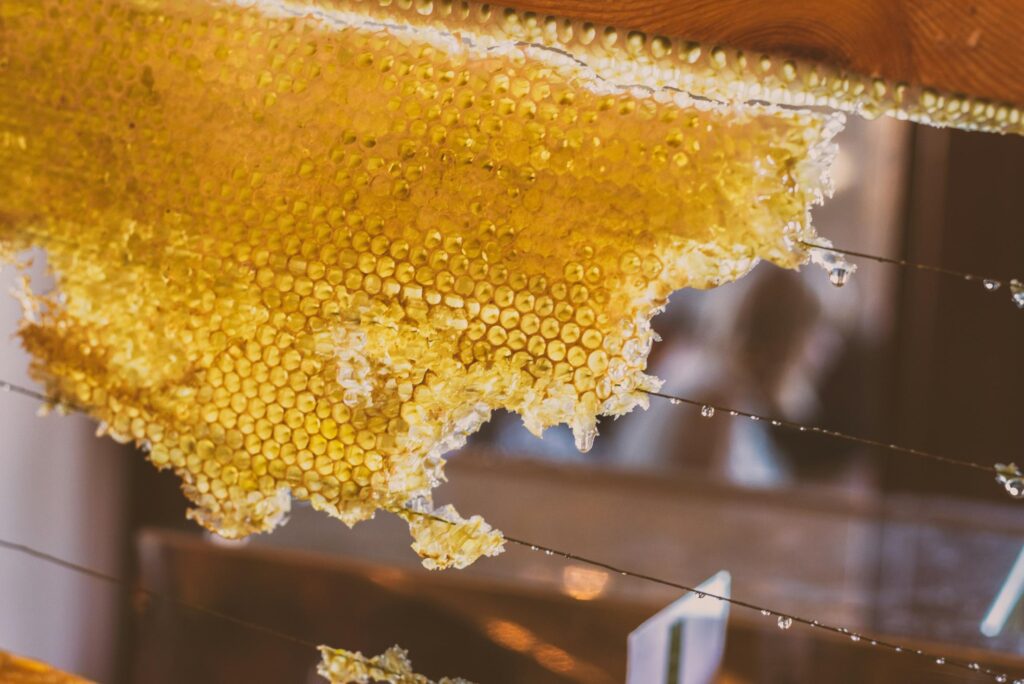
The Alpes de Haute Provence region is a sanctuary for artisanal honey production. Here, the interplay of wild thyme, rosemary, and white heather in the scrubland creates a complex palette of honeys. Beekeepers harvest from hives nestled in these wild fields, capturing the essence of Provence’s natural beauty. The honey’s richness and diversity reflect the seasonal flowering cycles, especially vibrant in spring and summer, with July marking the peak harvest period.
This variety of floral sources results in a range of honeys, each with unique aromas and flavors that tell the story of the landscape. Visitors to the region often take the time to review and savor these different honeys, appreciating the subtle details that make each one special.
Garrigue Honey: A Wild Symphony of Flavors
Garrigue honey, sourced from the aromatic scrubland of Provence, offers a robust flavor profile infused with notes of thyme, rosemary, and white heather. Its creamy texture and herbaceous aromas evoke the wild landscapes where bees forage freely.
This honey is a true expression of Provence’s wild beauty and is often sought after by connoisseurs for its depth and complexity. The garrigue region’s diverse vegetation contributes to a unique blend of pollen and nectar, which enriches the honey with a distinctive character.
The temptation to taste this honey is irresistible to those who appreciate natural, artisanal products that reflect the terroir of Provence.
Olive Oil and Honey: Provence’s Culinary Delicacies
Provence’s artisanal producers invite visitors to discover the harmonious pairing of honey with local olive oil. Both products reflect the region’s terroir and are crafted with passion and care. Honey’s floral sweetness complements the fruity richness of olive oil, enhancing culinary creations from dressings to desserts like nougat.
These delicacies offer a taste of Provence’s authentic flavors and the dedication of its producers. Many producers also emphasize the importance of a natural process in crafting these products, ensuring that the integrity and quality are maintained from the lower part of the hive to the final jar.
This attention to detail guarantees a product that is not only delicious but also a true representation of Provence’s agricultural heritage.
Visiting a Provençal Apiary: An Immersive Experience
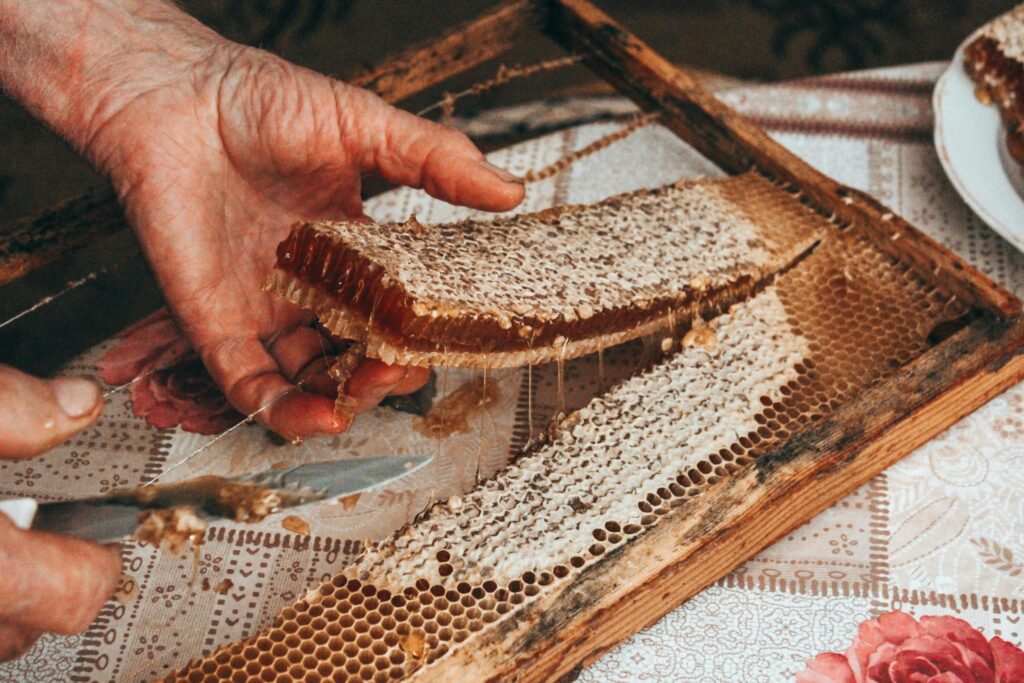
A visit to a local farm or honey house offers a unique opportunity to witness beekeeping in Provence firsthand. Guests can meet passionate beekeepers, learn about hive management, and observe the bees head out to collect nectar. Tours often include honey tastings, allowing visitors to savor a range of honeys and appreciate their subtle aromas and flavors.
Many producers also offer products for purchase, from jars of honey to artisanal nougat and cosmetics made with honey and lavender. These visits provide insight into the delicate balance between nature and human care that sustains the bees and their environment.
Visitors gain a deeper understanding of the traditional methods used to maintain hive health and ensure sustainable harvesting.
The experience is not only educational but also sensory, as the scents of lavender fields mingle with the sweet fragrance of honey, creating a memorable atmosphere. Additionally, some farms offer workshops or demonstrations on beekeeping techniques, honey extraction, and the crafting of honey-based products, enriching the visitor experience. This immersive approach fosters appreciation for the dedication and passion of Provençal beekeepers, highlighting their role in preserving the region’s biodiversity and cultural heritage.
Sustainable Practices and the Future of Beekeeping in Provence
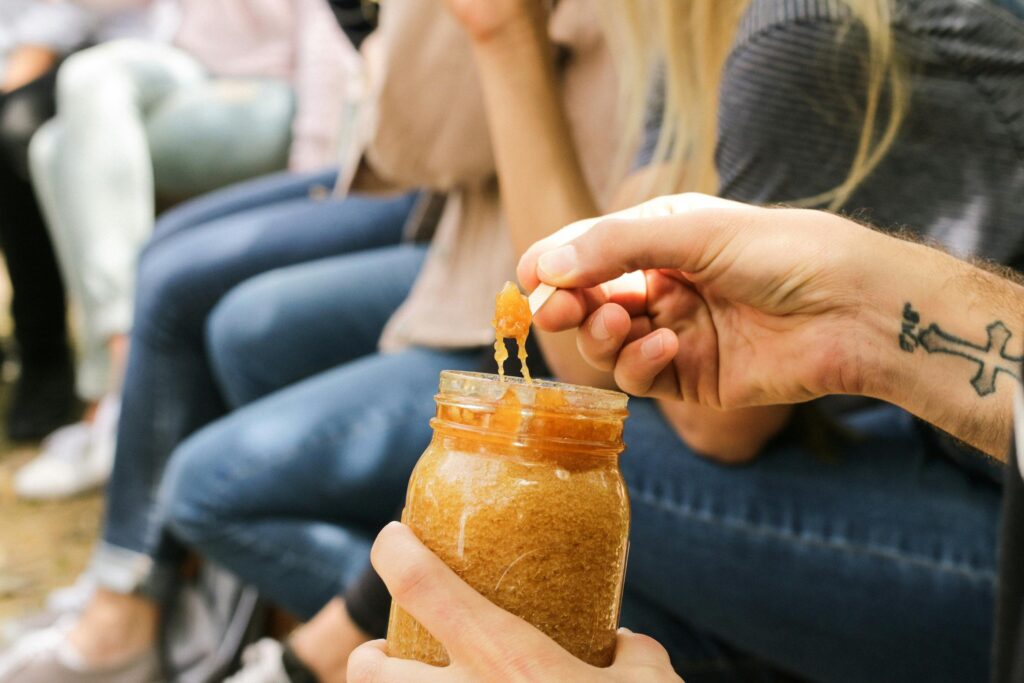
By carefully relocating their hives throughout the year, beekeepers enable their colonies to access a diverse range of nectar sources, which not only enriches the flavor profiles of the honeys but also supports the bees’ nutritional needs. Organic farming practices help minimize exposure to harmful pesticides and chemicals, fostering healthier bee populations and maintaining the purity of the honey.
Additionally, many beekeepers engage in habitat restoration and plant native flora to bolster the local ecosystem, highlighting their dedication to environmental stewardship. This holistic approach reflects a deep respect for the land and its natural rhythms, ensuring that beekeeping in Provence remains a sustainable and thriving tradition for generations to come.
Where to Discover Provençal Honey and Beekeeping
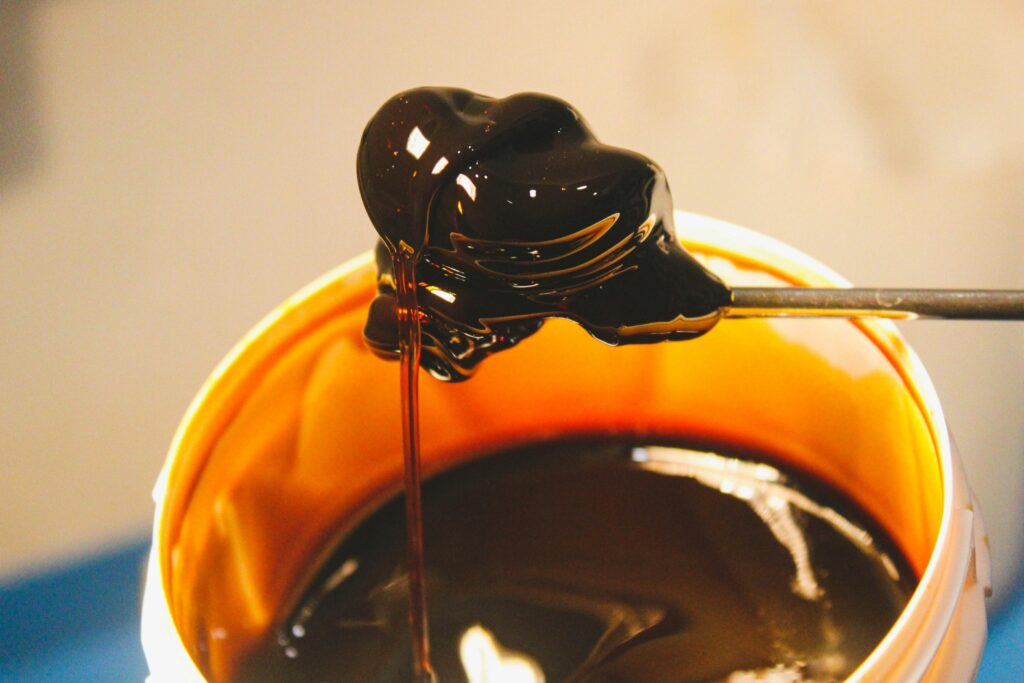
The heart of Provence, including the Var and Vaucluse regions, offers numerous markets, specialty shops, and apiary tours. Visitors can purchase local honeys, often at transparent prices, and enjoy the pleasure of tasting fresh, authentic products.
Whether on a trip to the Alpes de Haute Provence or exploring lavender fields nearby, Provence invites you and your friends to experience the diversity and richness of its honeys. These markets are vibrant hubs where passionate beekeepers showcase their latest harvests, sharing stories of their craft and the unique terroir that influences each batch. Specialty shops often stock a curated selection of honeys, including rare varieties like white heather and chestnut, alongside artisanal products such as nougat infused with honey and lavender-infused cosmetics.
Apiary tours provide an immersive experience, allowing visitors to observe the bees head out to collect nectar and learn about sustainable beekeeping practices that protect both the environment and bee populations. This hands-on approach deepens appreciation for the natural process behind every jar and highlights the dedication of Provence’s passionate beekeepers.
Whether you seek to purchase a jar as a souvenir or wish to indulge in a tasting session, Provence’s honey offerings promise an authentic and memorable journey into the world of beekeeping in this enchanting region.
Conclusion: A Sweet Journey Through Provence
Beekeeping in Provence is more than a craft—it’s a celebration of nature’s bounty and human passion. From the delicate lavender honey to the wild garrigue, each jar tells a story of the sun, flowers, and dedicated producers who carry forward this heritage. On your next visit to France’s south, treat yourself to this sensory journey. Discover the subtle flavors, the creamy textures, and the timeless beauty of Provençal honey—an authentic taste of a region where nature and tradition meet at the hive.