
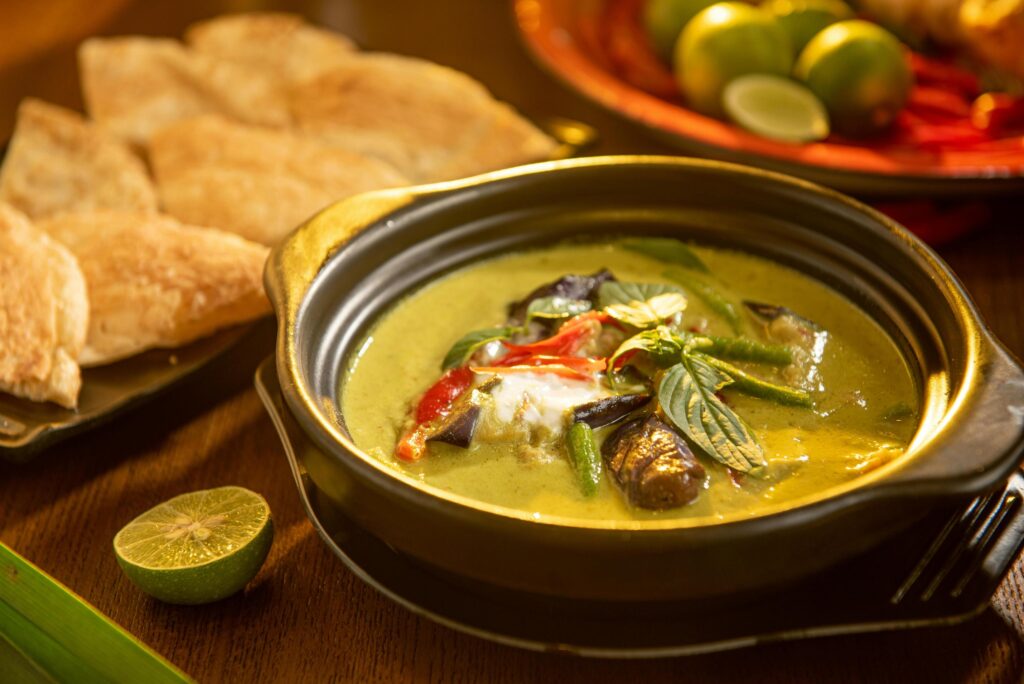
The first attempt at making Thai green curry often ends in chaos—think a cramped kitchen, a jar of store-bought curry paste, and a bit too much confidence. The result? A sweet, gloopy, lime-green puddle that’s miles away from the fragrant, fiery, soul-warming curry you’d find in a Bangkok street stall. It’s easy to believe that authentic Thai green curry is some kind of culinary wizardry, reserved only for Thai grandmothers and professional chefs.
But here’s the truth: the secret isn’t magic—it’s balance. Perfecting the spicy, salty, sweet, and sour notes and letting them harmonize is what makes a truly great curry. Once you get that right, your homemade green curry will transform from “nice try” to “authentic delight.”
This guide breaks it all down with simple techniques and key ingredients so you can make Thai green curry at home with confidence. Whether you’re after an easy green curry recipe or a classic Thai curry that tastes like it came straight from Thailand, you’re in the right place.
Why Authentic Thai Green Curry Is So Special
Thai green curry (gaeng keow wan) literally means “sweet green curry,” but don’t be fooled—the “sweet” refers to creamy coconut milk, not spoonfuls of sugar. It’s known as the boldest and most aromatic of Thai curries, brighter and spicier than Thai red curry or yellow curry. However, despite its bold flavors, Thai green curry is not typically considered a very spicy curry compared to other Thai curries.
The real magic lies in the layers. First you taste creamy coconut milk, then the herbal punch of lemongrass, kaffir lime leaves, galangal, and cilantro roots, followed by a satisfying kick from fresh Thai green chilies. It’s a flavor rollercoaster that has made Thai cuisine beloved across the globe—and once you learn how to balance the curry sauce properly, you’ll never go back to that sad jarred version again.
Essential Ingredients for Authentic Thai Green Curry
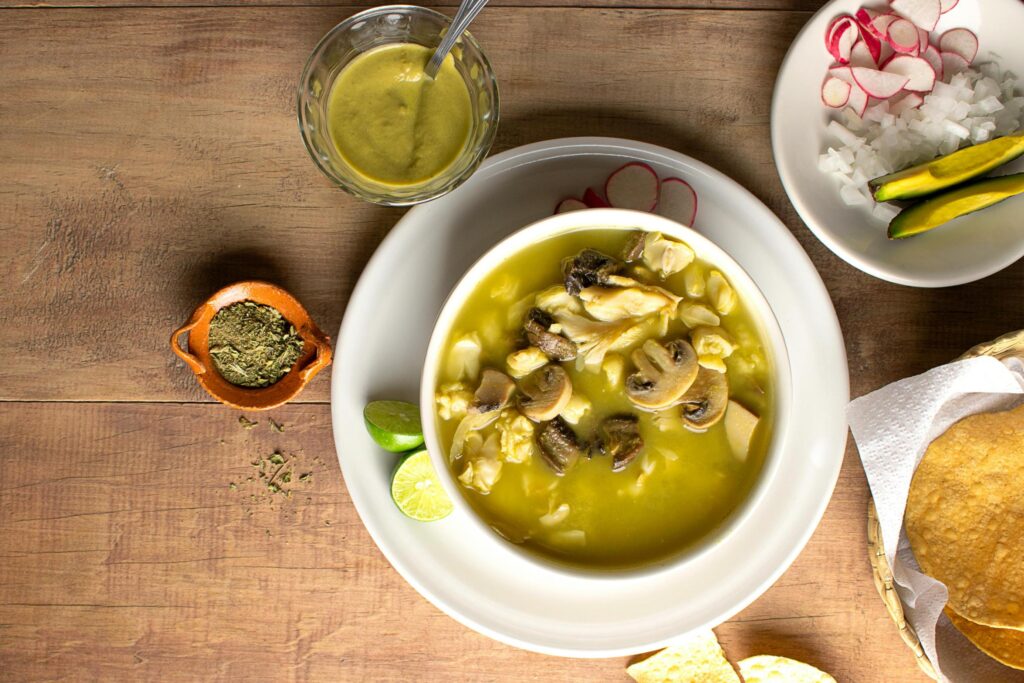
If you want a green curry recipe that truly hits the mark, you’ll need a few key ingredients. A high-quality thai green curry paste is essential for achieving authentic flavor. Most can be found at Asian grocery stores, but many are creeping into big supermarkets too. Let’s break it down.
The Heart of the Curry: Green Curry Paste
Every authentic Thai green curry starts with green curry paste. A traditional homemade green curry paste blends fresh green chilies, lemongrass, galangal, kaffir lime leaves, garlic, shallots, coriander seeds, cumin, and shrimp paste into a fiery, fragrant paste. For the best texture and flavor, finely chop ingredients like chilies, shallots, and garlic, or ensure they are finely chopped before pounding or blending them into the paste. If you’ve got time, pounding a homemade green curry paste in a mortar and pestle is deeply satisfying.
But don’t stress if you can’t—many Thai cooks happily reach for a high-quality store bought curry paste like Maesri or Mae Ploy. They’re authentic, punchy, and way better than most Western-made versions. Just know: they bring serious heat!
Other Must-Haves
-
Coconut Milk & Coconut Cream: Always use full fat coconut milk or creamy coconut milk from a can. Forget “light” versions or cartons—they’ll give you watery curry sauce.
-
Protein: Chicken thighs are the classic choice for Thai green curry chicken. Skinless chicken thighs stay juicy, but shrimp, beef, fried tofu, or even Japanese eggplant make delicious swaps.
-
Vegetables: Thai eggplant and pea eggplants are traditional, but zucchini, green beans, snow peas, or red bell pepper work beautifully.
-
Fish Sauce: This funky, salty powerhouse brings depth. Vegan? Use soy sauce or vegan fish sauce instead.
-
Palm Sugar or Coconut Sugar: Adds a caramel-like sweetness to balance the spice. Brown sugar works in a pinch.
-
Thai Basil Leaves: Not Italian basil! Fresh Thai basil leaves add a distinct anise-like note. They’re essential to finishing the dish.
-
Kaffir Lime Leaves: A sprinkle of lime leaves (or zest) delivers that citrusy pop.
Choosing the Right Store-Bought Curry Paste
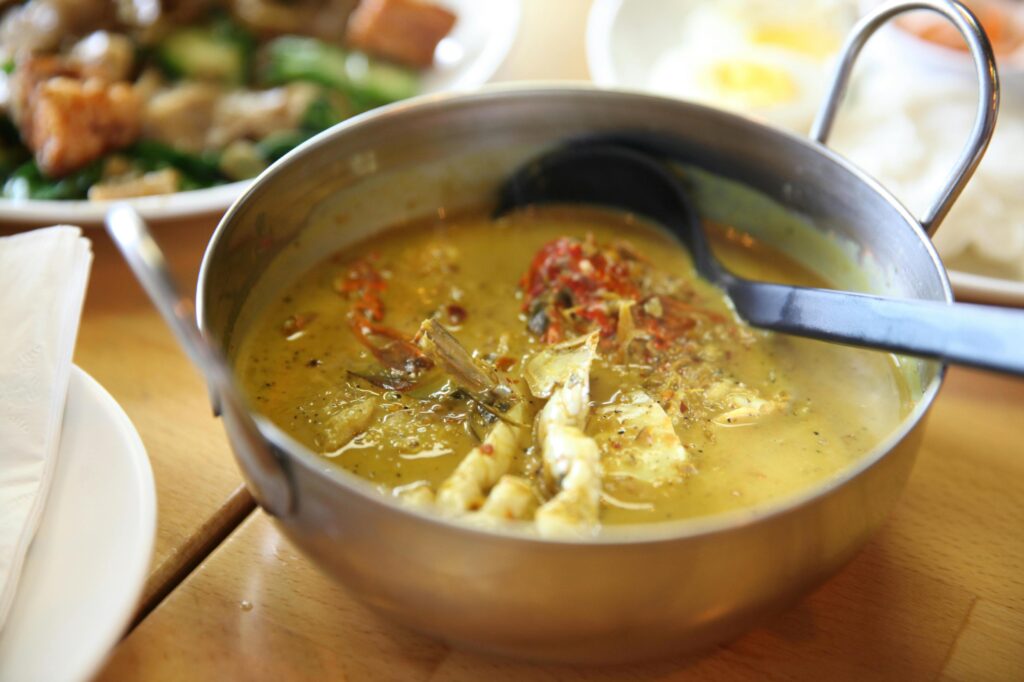
When you’re making Thai green curry at home, the curry paste you choose can make or break your dish. Not all store-bought curry pastes are created equal—some are packed with authentic Thai green flavors, while others can taste flat or overly salty. For the best results, look for a curry paste with real herbs and spices like green chilies, lemongrass, and kaffir lime leaves high on the ingredient list.
Trusted brands like Maesri and Aroy-D are favorites among Thai food lovers for their bold, balanced flavor and authentic kick. Avoid curry pastes with lots of additives or preservatives, and don’t be afraid to check online reviews to see which brands deliver that true green curry punch. With the right store-bought curry paste, you’re already halfway to an authentic Thai green curry experience.
Step-by-Step Green Curry Recipe
This easy Thai green curry recipe builds flavor in layers, so even with a store bought paste, you’ll end up with a fragrant, restaurant-worthy dish. You can use this method to make thai chicken curry or thai green chicken curry, and the recipe is easily adaptable for different proteins or vegetables.
Yields: 4 servings
Prep time: 15 minutes
Cook time: 25 minutes
Ingredients
-
1 can (13.5 oz) full fat coconut milk, unshaken
-
2–3 tbsp green curry paste (adjust for spice level)
-
1 lb boneless skinless chicken thighs, cut into bite-sized pieces
-
1 cup chicken broth (or vegetable broth for veggie version)
-
1 tbsp fish sauce (or soy sauce/vegan fish sauce)
-
1 tbsp palm sugar or coconut sugar
-
1 cup mixed vegetables (green beans, Thai eggplant, zucchini, red bell pepper, or snow peas)
-
A handful of fresh Thai basil leaves
-
1 fresh red chili, thinly sliced (optional garnish)
-
Steamed jasmine rice or brown rice, to serve
Instructions
-
Crack the Coconut Milk: Scoop the thick coconut cream from the top of the can into a wok or saucepan over medium heat. Let it bubble until the oil separates—this gives you that glossy, rich curry sauce.
-
Fry the Curry Paste: Add your green curry paste and stir-fry in the coconut oil for 2–3 minutes until insanely fragrant. This is where the magic starts.
-
Cook the Chicken: Toss in chicken thighs and stir until lightly browned and coated in the paste.
-
Build the Sauce: Pour in the remaining coconut milk and chicken broth. Bring to a gentle simmer (medium heat, not boiling).
-
Season: Stir in fish sauce and palm sugar. Taste—does it need more salt? More coconut sugar? Balance is everything.
-
Add Veggies: Toss in green beans, zucchini, or Thai eggplant. Cook 3–5 minutes until tender-crisp.
-
Finish: Turn off heat, stir in fresh Thai basil leaves, and squeeze in a splash of fresh lime juice for brightness.
-
Serve: Ladle over steamed jasmine rice or brown rice. Garnish with fresh cilantro and red chili slices if you like things extra spicy.
Adding Aromatics and Spices
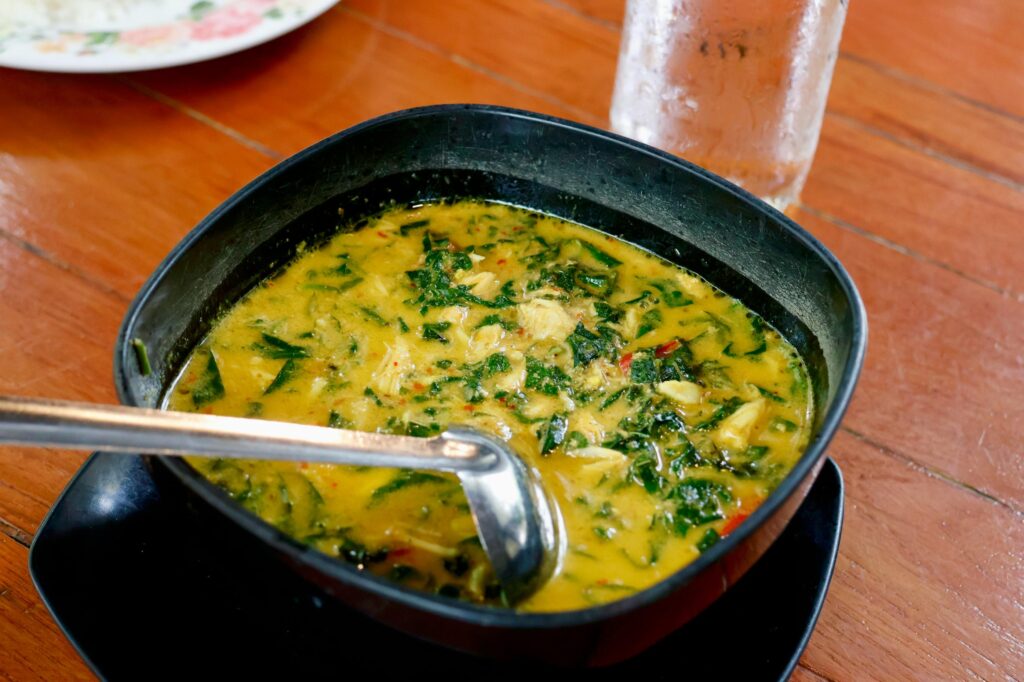
The secret to a truly aromatic Thai green curry lies in the blend of fresh herbs and spices. Thai basil, lemongrass, and galangal infuse the curry paste with bright, herbal notes, while cumin and coriander add warmth and depth. When making your curry, sauté these aromatics with the curry paste until fragrant—this step unlocks their essential oils and builds a complex flavor base. Don’t forget to toss in a handful of fresh Thai basil leaves at the end for that unmistakable anise aroma. Balancing these aromatics and spices is key: too much can overpower your curry, but just the right amount will have your kitchen smelling like a Thai street market.
Working with Protein and Vegetables
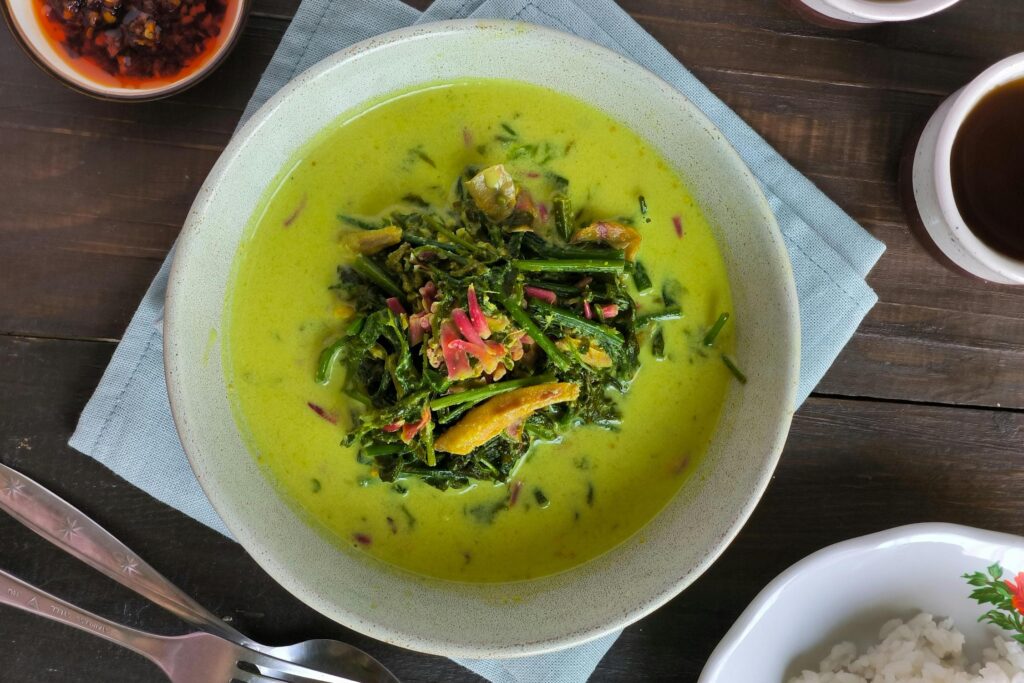
Thai green curry is endlessly adaptable, so you can mix and match proteins and vegetables to suit your taste. For tender, juicy results, add your protein—whether it’s chicken, shrimp, or tofu—after the curry paste has been fried and the coconut milk is simmering. Let it cook gently in the green curry sauce so it soaks up all those flavors.
When it comes to vegetables, think color and crunch: Thai eggplant, snow peas, and bell peppers are classic choices that add texture and sweetness. Add firmer veggies early so they have time to soften, and toss in delicate ones near the end to keep them crisp. This way, every bite of your Thai green curry is perfectly balanced and bursting with flavor.
Common Curry Mistakes (and How to Avoid Them)
-
Boiling Coconut Milk: It will split! Simmer gently after cracking.
-
Dumping Everything In: Flavor builds in stages. Fry the paste first—always.
-
Wrong Basil: Italian basil just won’t cut it. Thai basil or bust.
-
Skipping the Taste Test: Thai curry recipes are all about balancing flavors—adjust at the end with fish sauce, palm sugar, or lime juice.
Creative Twists on Thai Green Curry
-
Green Curry Chicken: Stick with boneless chicken thighs for a classic.
-
Seafood Curry: Add shrimp or firm white fish, finishing them in the last few minutes so they stay tender.
-
Veggie or Vegan: Use fried tofu, mushrooms, broccoli, or potatoes. Swap fish sauce for soy sauce or vegan fish sauce.
-
Fusion Fun: Try adding red bell peppers, Japanese eggplant, or even spinach for a colorful spin.
Tips for Finding Ingredients
-
Asian Grocery Stores: Your one-stop shop for kaffir lime leaves, shrimp paste, and authentic Thai curry paste.
-
Farmers’ Markets: Look for lemongrass, fresh Thai chilies, or even snow peas.
-
Online Retailers: Many stock Thai basil, coconut sugar, and curry pastes shipped straight from Thailand.
Why You’ll Fall in Love with Making Thai Curry
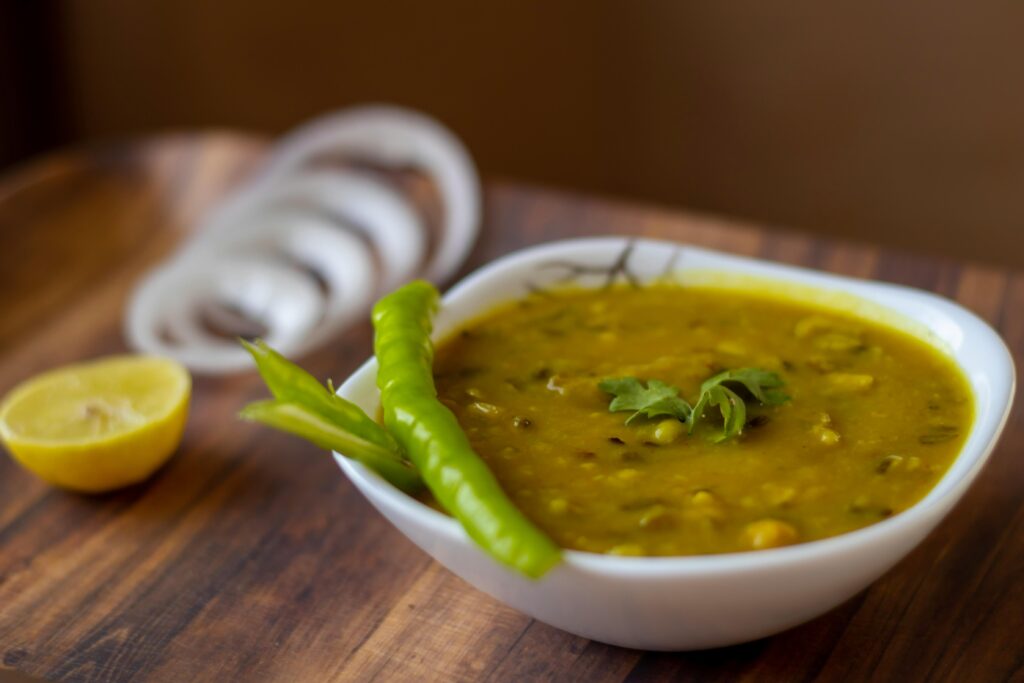
Once you learn the basics of how to make Thai green curry, you’ll see how versatile it is. It’s customizable, adaptable, and always a crowd-pleaser for lovers of spicy food. Plus, nothing beats that moment when you serve green curry bubbling hot, the coconut milk based sauce shimmering, with fresh Thai basil leaves wilting perfectly on top.
So, set up your curry night, pour more coconut milk into that wok, and embrace your inner Thai street food vendor. The journey from gloopy college curry to authentic Thai green curry chicken is shorter—and way more delicious—than you think.
Food journeys don’t stop in Thailand, though. If you love discovering dishes with deep cultural roots, you might also enjoy exploring Hidden Tapas Bars Barcelona: A Local’s Route to the City’s Secrets or learning about the heritage behind Pen Cai Delivery: Niangao Before Sugar – A Dish Older Than Its Modern Sweetness both show how tradition shapes flavor in totally different parts of the world.
💡 Now your turn: How do you like your green Thai curry—extra spicy, loaded with vegetables, or rich with more coconut milk? Drop your tips and review this recipe in the comments—I’d love to hear your curry secrets!