There was a time when I thought all meat on a stick was basically the same. When I first tried yakitori in Singapore, I walked into a smoky, bustling izakaya expecting a quick snack to soak up my cold beer. I ordered ten skewers at once, expecting generic barbecue sauce and tough meat. What arrived completely changed how I look at food.
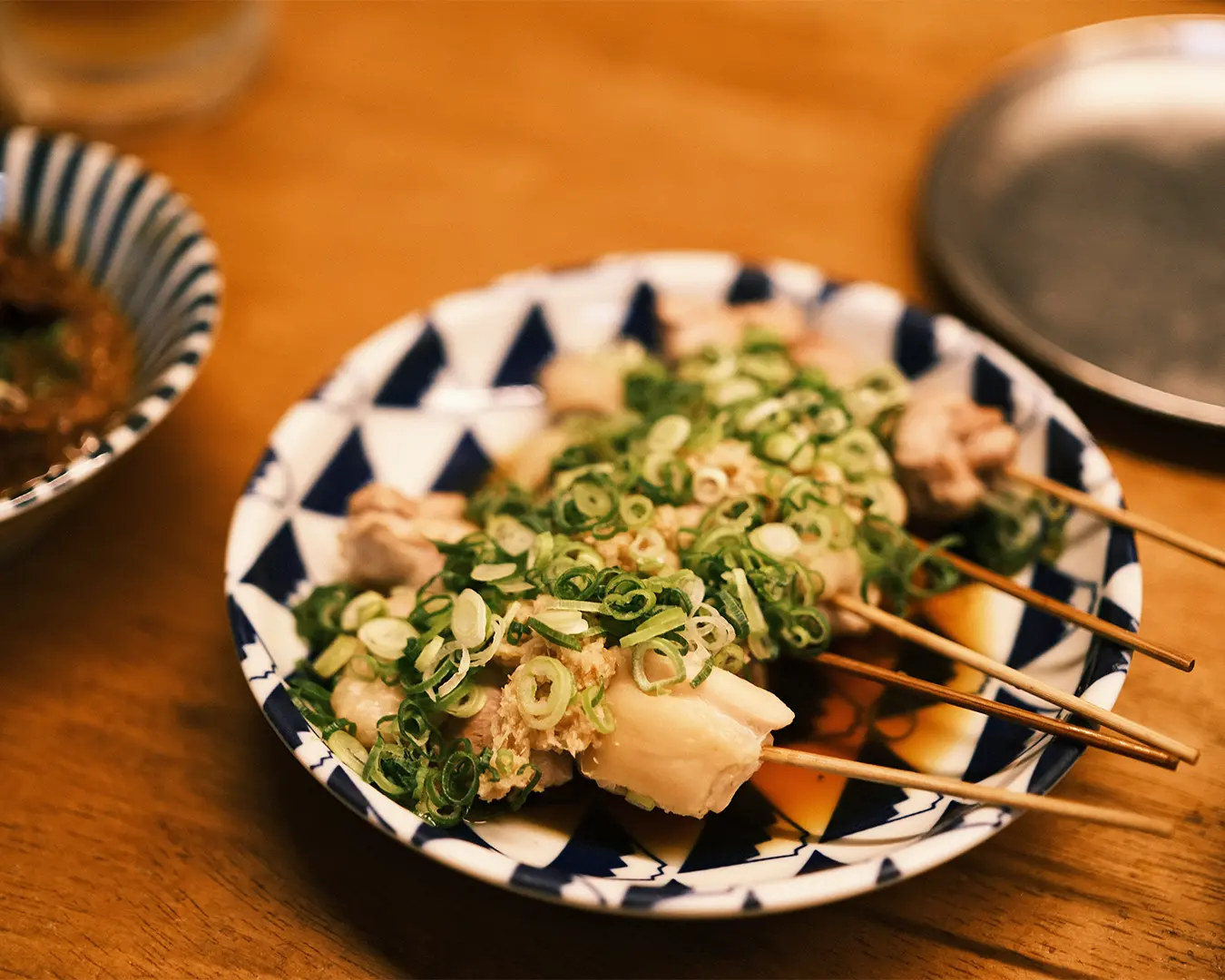
The chef handed me a single skewer of chicken thigh seasoned only with salt. It was impossibly juicy, carrying the deep, earthy aroma of pure charcoal grilled perfection. That single bite sent me down a rabbit hole of exploring Japan’s charcoal-grilled chicken culture right here in Singapore.
Yakitori has evolved from casual street food into a highly respected culinary art. Today, you can find everything from lively, affordable joints in Cuppage Plaza and East Plaza to deeply intimate omakase counters in Tanjong Pagar. If you want to understand the people, places, and traditions behind this incredible dish, pull up a chair. I am going to walk you through exactly how to experience authentic Japanese yakitori in Singapore without feeling intimidated.
What is Yakitori?
Many first-time diners assume yakitori simply means any grilled skewer. The actual definition is beautifully specific. “Yaki” means grilled, and “tori” means chicken. Authentic yakitori refers exclusively to Japanese skewered chicken grilled over charcoal.
A common misconception is the difference between yakitori and kushiyaki. I used to use the words interchangeably, which earned me a very polite correction from a chef. Yakitori specifically means chicken skewers. Kushiyaki refers to the broader world of grilled skewers, including pork, beef, vegetables, and seafood. Many restaurants in Singapore market everything as yakitori, but true purists focus almost entirely on the bird.
The Art of Charcoal Grilled Yakitori
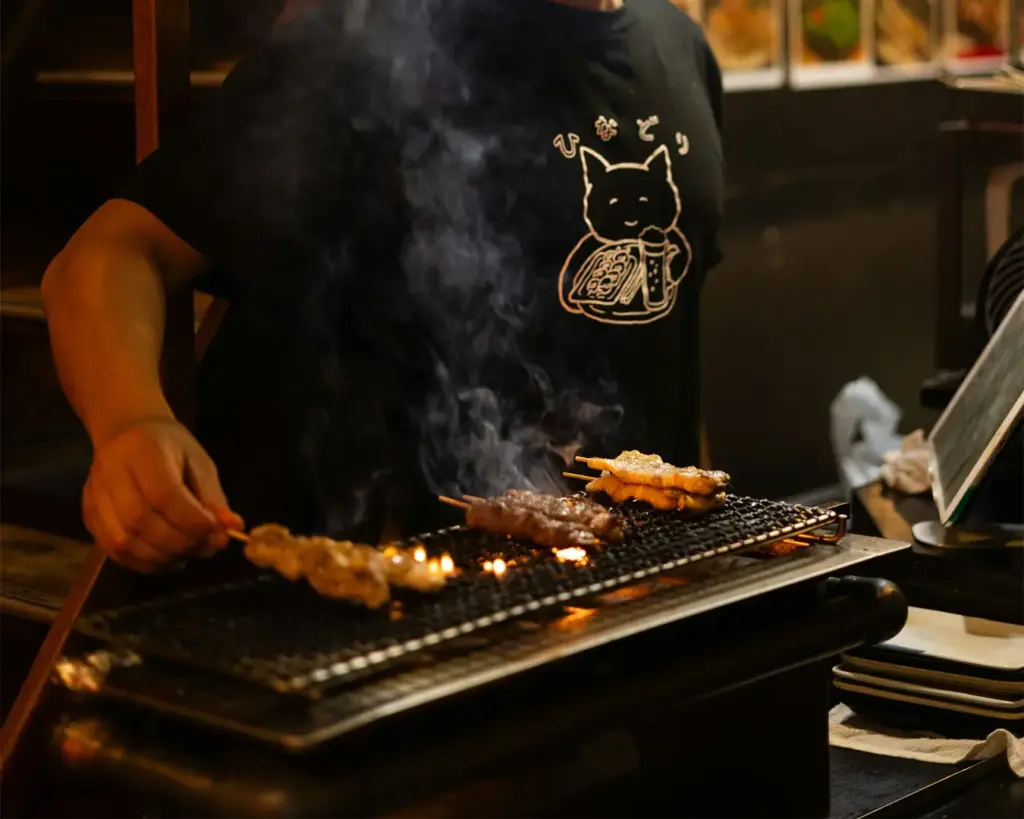
Authentic yakitori is not just barbecue. It is an exercise in extreme precision.
The Magic of Binchotan Charcoal
The secret behind the flavor is Kishu binchotan. This is a premium Japanese white charcoal that burns incredibly hot and clean. It does not produce flames that burn the meat. Instead, it emits an intense infrared heat that crisps the exterior while locking in the natural juices. The smoke from the dripping chicken fat, including the prized tail, hits the hot charcoal and envelops the meat, giving it that signature flavor.
Exploring the Cuts
I always tell friends that yakitori culture uses every single part of the chicken. When you visit a specialty spot, you will see cuts you never knew existed.
Momo (Thigh): The juicy, foolproof classic.
Kawa (Skin): Grilled until it resembles a crispy, savory potato chip.
Tebasaki (Wing): Often served butterflied for easy eating.
Tsukune (Meatball): A seasoned chicken meatball, usually dipped in raw egg yolk.
Reba (Liver) & Hatsu (Heart): Rich, metallic, and incredibly tender when cooked properly.
Nankotsu (Cartilage): A crunchy, textural delight that pairs perfectly with beer.
Tare vs. Salt
You usually have two seasoning choices. “Tare” is a sweet and savory soy-based glaze, while “shio” is just salt. I used to order everything with tare because it felt safe. But seasoned chefs actually judge a restaurant by its salt skewers. Salt reveals the true quality of the chicken and the exact skill of the griller.
Insider Knowledge: Always try the momo (thigh) or kawa (skin) with salt first. It lets the pure charcoal aroma shine through.
Yakitori in Singapore: From Cuppage Plaza to Omakase Counters
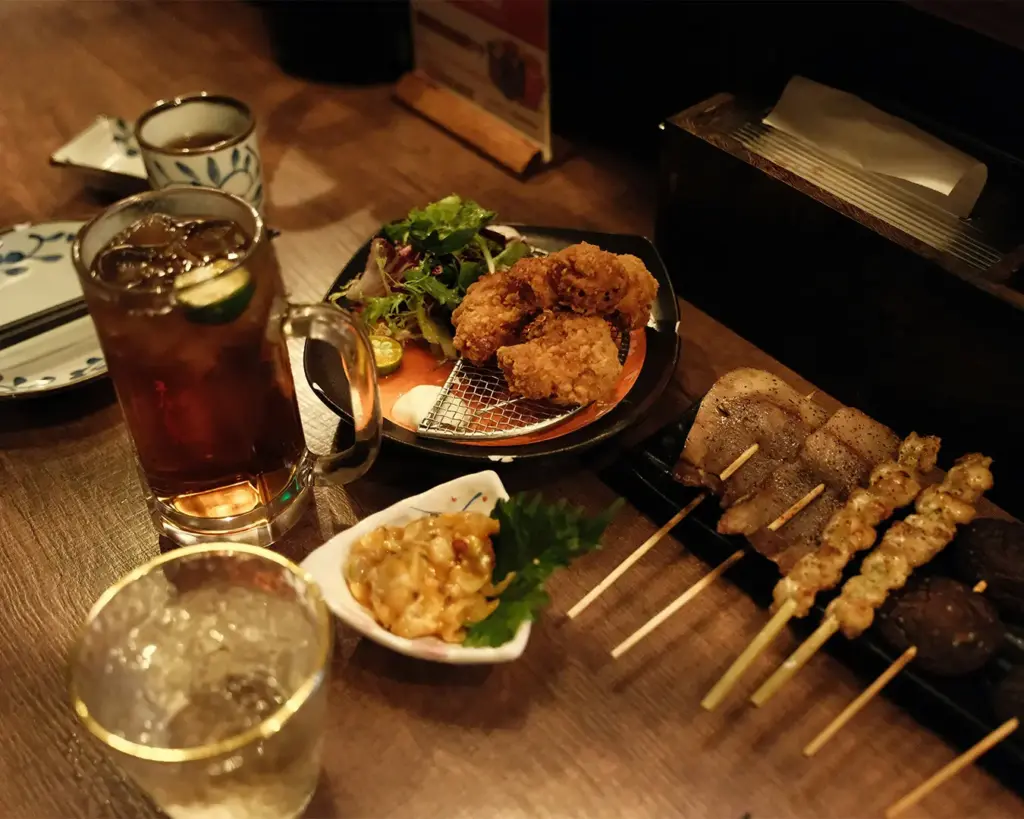
Singapore has fully embraced this culture. We love communal eating, small sharing plates, and after-work drinking. Yakitori fits our lifestyle perfectly.
The local scene ranges from casual to incredibly luxurious. In casual izakayas, such as those in Cuppage Plaza, you can order a plate of skewers, shout over the noise of the crowd, and share plates with friends. But the biggest recent shift is the rise of the yakitori omakase. These are quiet, chef-led tasting counters where you watch the master at work. Popular neighborhoods for these experiences include Tanjong Pagar, Robertson Quay, Orchard, East Plaza, and Duxton.
Local chains like TORI-Q have shown a strong commitment to quality and convenience, serving freshly grilled yakitori sticks at more than 20 outlets across Singapore, including at Takashimaya. Their website offers an extensive menu priced affordably to serve customers looking for quick, satisfying food. These guys truly play at a high level, maintaining a crew dedicated to perfection in every stick.
How to Enjoy Yakitori Like a Pro
Walking into a serious yakitori spot can feel overwhelming. Here is exactly how to navigate it.
Step-by-Step Dining
If you are at an à la carte restaurant, do not order your entire meal at once. Order in rounds of three or four skewers. The chefs grill them fresh, and you want to eat them the second they hit your plate. If you choose an omakase experience, you simply sit back and let the chef dictate the pacing.
Pairing with Drinks
Drinks are half the fun. I find that lighter, salt-seasoned skewers pair beautifully with a crisp, dry sake. For richer cuts glazed in tare, or fatty parts like the tail, a cold draft beer or a sharp whisky highball cuts right through the richness.
Etiquette for First-Timers
Eat the skewers straight off the stick. It is considered polite to eat them immediately while they are hot. Do not let them sit on your plate while you talk for twenty minutes. Most places provide a small wooden cup on the table for your empty bamboo sticks.
Common Mistakes to Avoid
I have made all of these mistakes so you do not have to.
Over-ordering Immediately
As mentioned, ordering twenty skewers at once is a rookie move. The first five will be hot and perfect. The last fifteen will be cold, rubbery, and sad. Order slowly. Enjoy the rhythm of the meal.
Ignoring the Organ Meats
I used to avoid chicken liver because I hated the dry, chalky version I had growing up. A chef eventually convinced me to try a medium-rare yakitori liver skewer. It was smooth, rich, and completely changed my mind. Give the unfamiliar cuts a chance.
Wearing Strong Perfumes
This is a major faux pas at premium counters. Heavy colognes and perfumes interfere with the delicate aroma of the binchotan smoke and the food. Keep your scents neutral so everyone can enjoy the meal.
Singapore-Specific Tips for Yakitori in Singapore
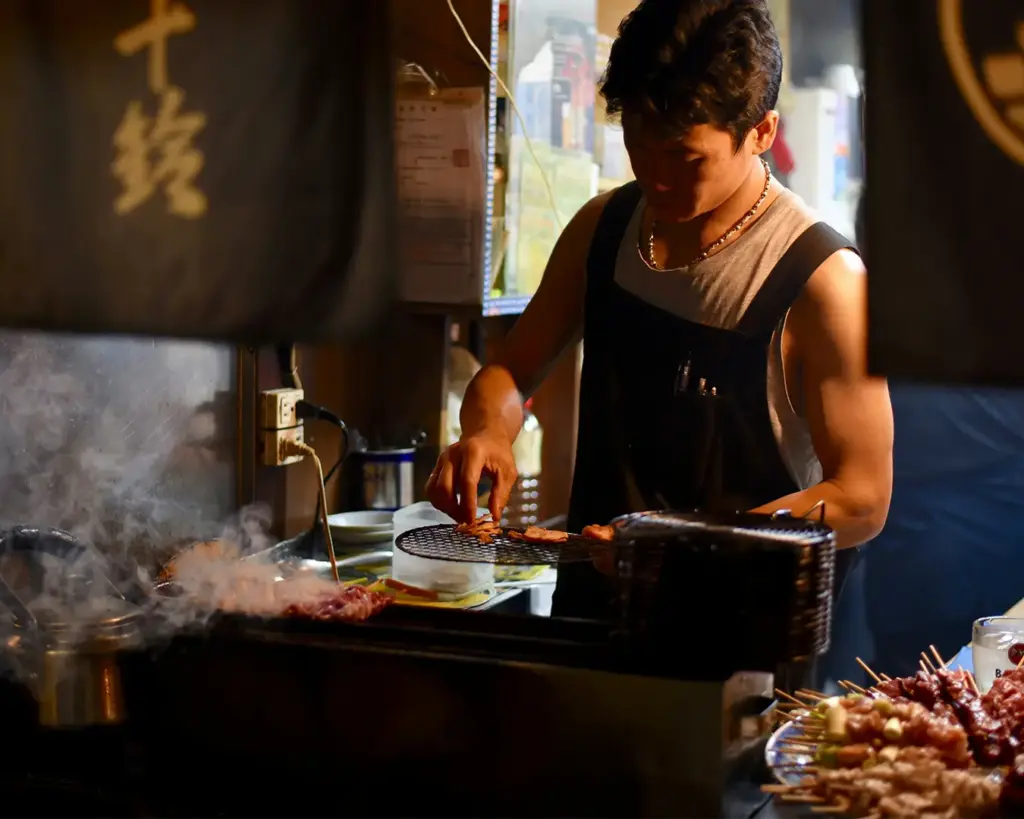
Dining out in Singapore requires a bit of practical planning.
Best Times to Visit
Yakitori places are incredibly popular on Friday nights and weekends for post-work dinners. You absolutely need to book 1 to 2 weeks in advance for good spots, and even earlier for premium omakase counters. A casual meal takes about 1.5 hours, while an omakase experience will easily take 2 to 3 hours.
What to Wear
Even with modern ventilation, you will likely leave smelling like delicious roasted meat. Wear breathable, smart-casual clothing. Leave your expensive silk jackets or dry-clean-only outfits at home.
Local Recommendations
If you are wondering where to start, I highly recommend checking out Shirokane Tori-Tama at Robertson Walk for a deep dive into rare chicken parts. Nanbantei Japanese Restaurant at Far East Plaza is a fantastic, nostalgic spot for beginners. Yakitori One and Torikami are also excellent choices to build your palate. For those who also love japanese ramen, these areas often feature great ramen outlets nearby, making for a perfect food day out.
FAQ Section
Is yakitori always expensive in Singapore?
Not at all. You can easily spend $20 to $50 per person at a casual izakaya. Mid-range specialty spots will cost around $60 to $120. Yes, the premium omakase counters can run from $150 to $300+, but you absolutely do not need to start there to get a great meal.
What if I accidentally order something strange?
Do not worry. Most chefs at specialty spots will guide you. Even the “strange” cuts like heart or cartilage are incredibly mild in flavor. Trying new textures is the best part of the journey.
Do I have to do an omakase?
No. Omakase is great because the chef controls the pacing and introduces you to new cuts, but plenty of top-tier restaurants allow à la carte ordering.
Savoring the Soul of Yakitori
Yakitori is so much more than just barbecue on a stick. It is a brilliant display of culinary restraint, focusing on fire, salt, and time. It invites you to slow down, share a drink with a friend, and appreciate the immense skill required to perfect something so wonderfully simple.
The next time you are looking for a great dinner in Singapore, skip the usual heavy restaurants. Book a seat at a charcoal grill, order a cold highball, and ask the chef for a simple chicken thigh seasoned with salt. I promise you will taste the difference.