Singapore has no shortage of places that understand how to look exclusive. Dim lighting, soft music, limited seats, polished service. Those details can create atmosphere, but they do not automatically create rarity. Real rarity usually comes from harder things: access, trust, provenance, and the fact that some products were never meant for broad circulation in the first place.
That is what makes Tea Room by Ki-setsu worth paying attention to. This is not just another quiet room selling a feeling of calm. It is a reservation-only tea concept built around the idea that certain leaves, certain makers, and certain objects retain their meaning precisely because they are not endlessly reproducible.
Why This Place Feels Different
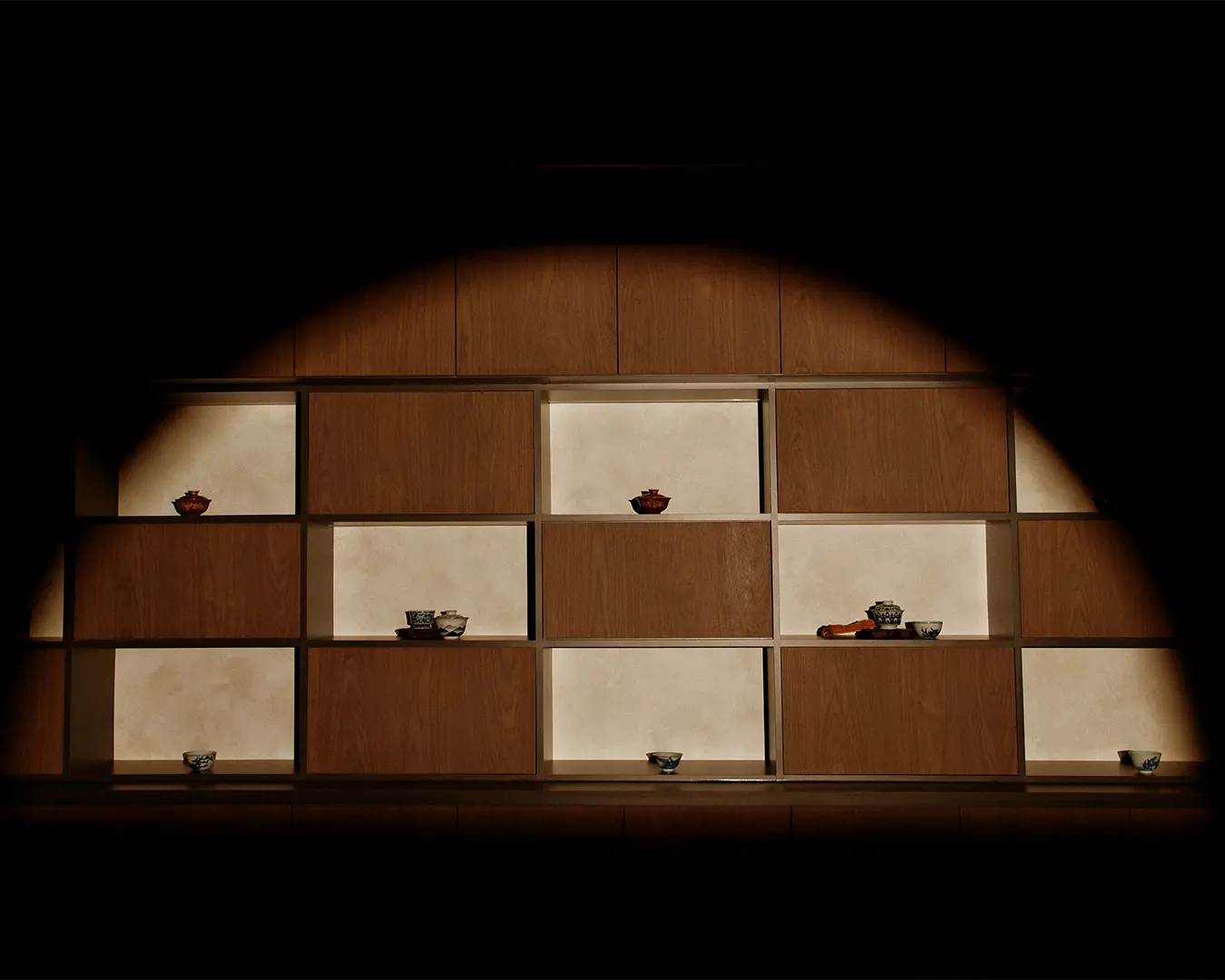
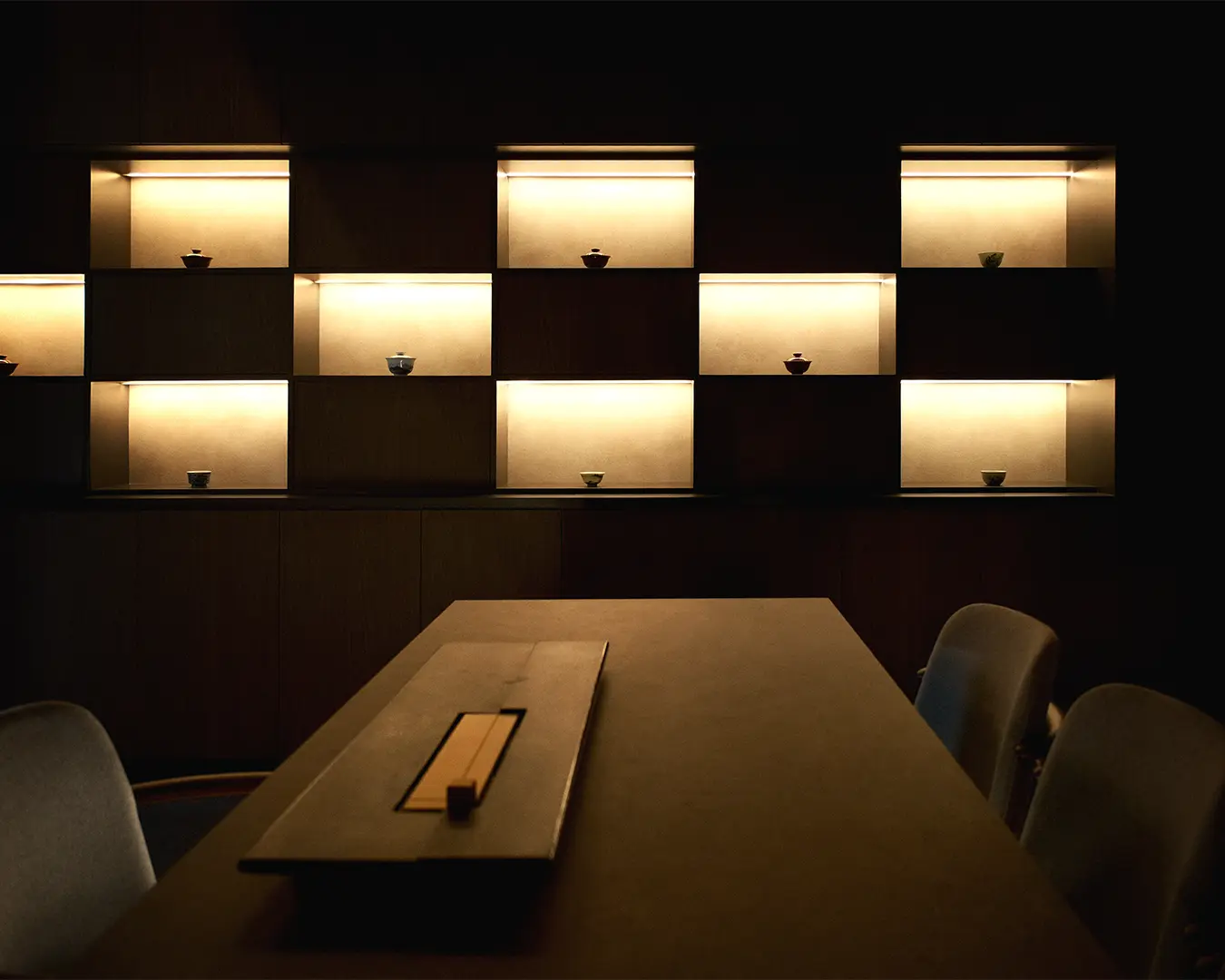
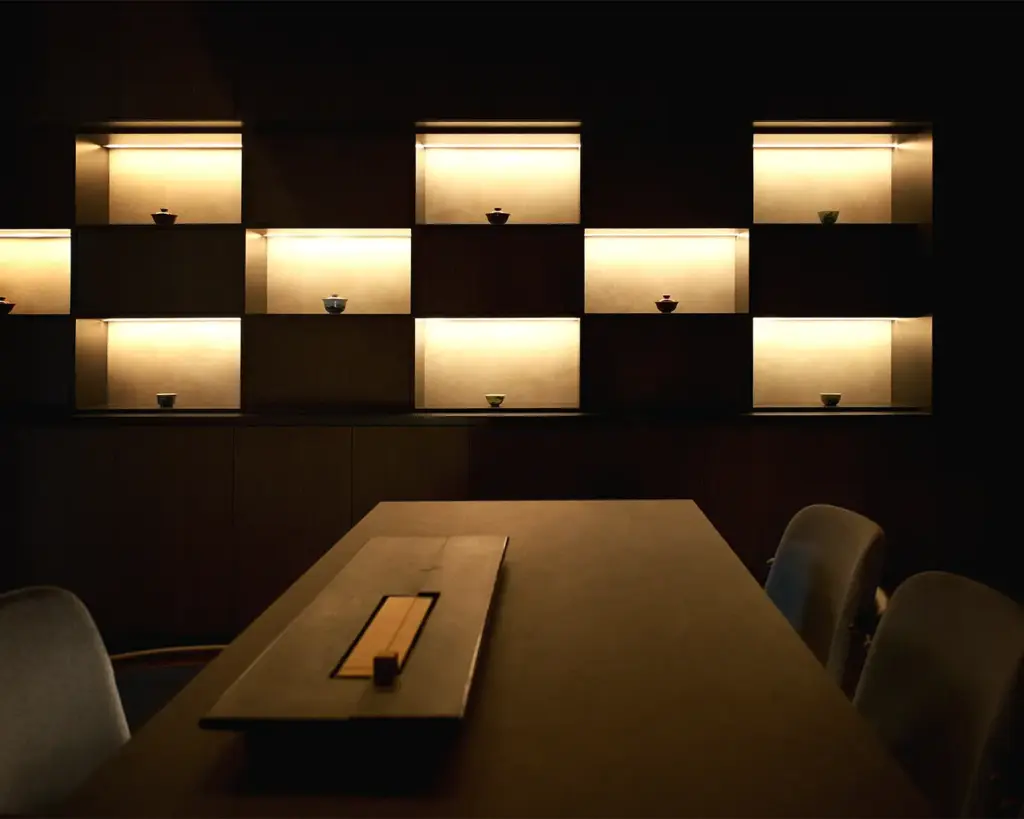
What stands out first is that the room does not behave like a typical tea retail business. It does not invite casual browsing. It does not depend on walk-ins. It does not position tea as a product to pick up quickly on the way elsewhere. Instead, it is structured around private tea sessions in a controlled setting, with the experience intentionally kept small and personal.
That difference matters. When a place removes the usual retail rhythm, it changes what the visitor is being asked to value. Here, the emphasis is less on volume and more on attention. Less on choice overload and more on curation. Less on collecting items for the sake of ownership and more on understanding why a particular tea or vessel matters.
The Real Story Starts With Provenance
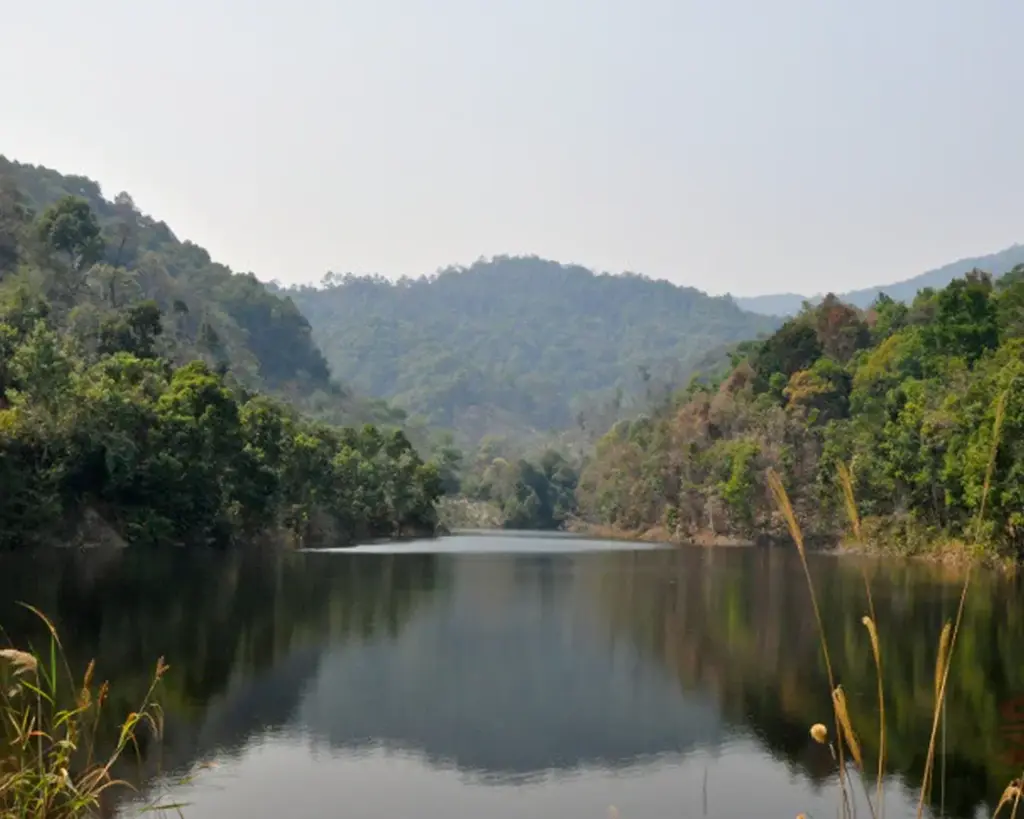
What gives the room its weight is not only atmosphere. It is origin.
The teas are tied to Bulang Mountain and Yiwu in Yunnan, two names that carry real significance for anyone who cares about tea beyond surface-level prestige. These are not generic references added for effect. They point to a deeper logic behind the room: that the leaf matters, the landscape matters, and the relationship between source and cup matters too.
That is what gives the concept substance. The teas are framed through hand selection, limited harvests, and a founder who travels personally to tea regions to build direct relationships with tea makers rather than relying on intermediaries. In other words, the rarity here does not read like a branding exercise. It reads like a supply reality. Some teas are scarce not because someone decided to call them premium, but because production is small, relationships are close, and the supply was never designed for wide distribution.
Scarcity Means More When It Feels Earned
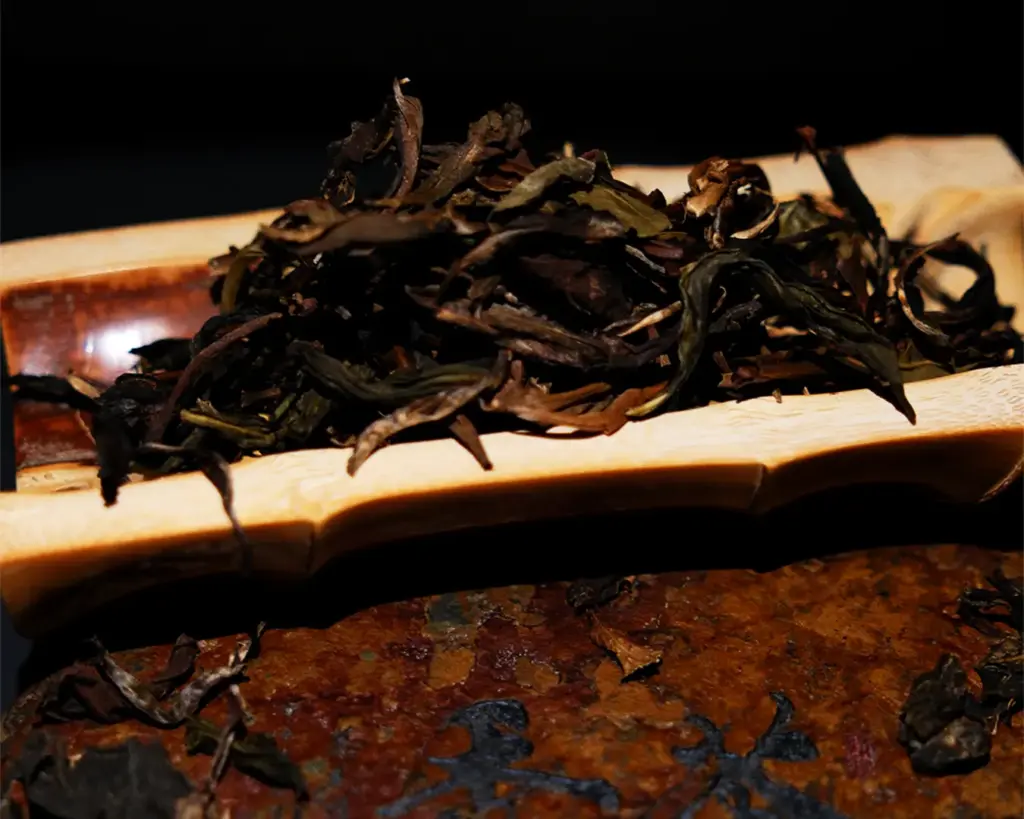
“Rare” is one of the most overused words in hospitality. It often appears where it has not been earned. But rarity lands differently when it grows out of actual constraints rather than marketing language.
That is the impression this room leaves behind. The leaves are limited. The seats are limited. The sessions are limited. Even the retail side is intentionally restrained. In another context, that might feel strategic. Here, it feels consistent with the broader philosophy of the space. Not everything worth seeking out is meant to be made endlessly available.
A room like this only works if its scarcity feels earned. Not staged, not inflated, not artificially withheld. Earned through sourcing practices, finite harvests, and the willingness to remain small when scale would be easier.
The Teaware Is Part of the Argument
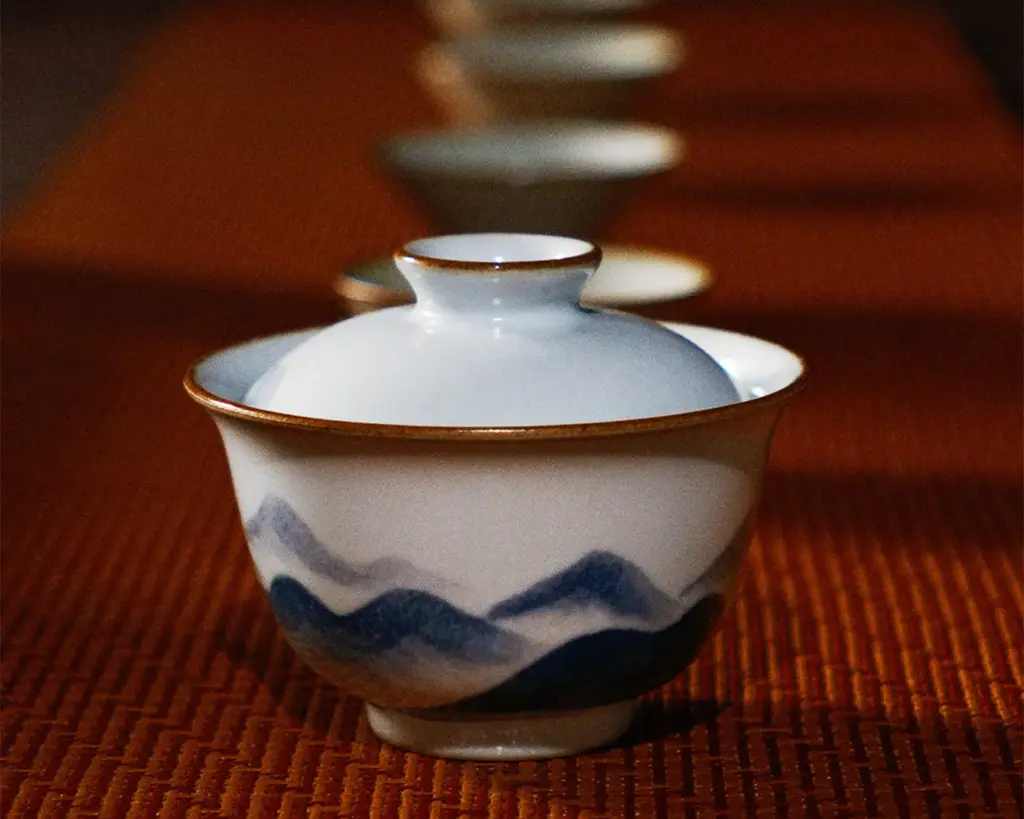
The tea is only half the story. The other half is the teaware.
Tea Room by Ki-setsu places unusual emphasis on cups and vessels sourced from Jingdezhen, with attention given to craftsmanship and wood-fired work. That is not a decorative side note. It tells us how the room wants to be understood. This is not tea served in beautiful cups because beautiful cups photograph well. It is tea served with the assumption that the vessel affects the experience, from heat retention to aroma to the pace at which a person drinks.
That matters because serious tea spaces are rarely built on leaf quality alone. They are built on systems of attention. What is poured, what it is poured into, how it is introduced, and how much space is given to the act of drinking all shape the experience. Once you understand that, the room’s emphasis on teaware stops feeling ornamental and starts feeling
A Chinese Tea House for People Who Care About Provenance
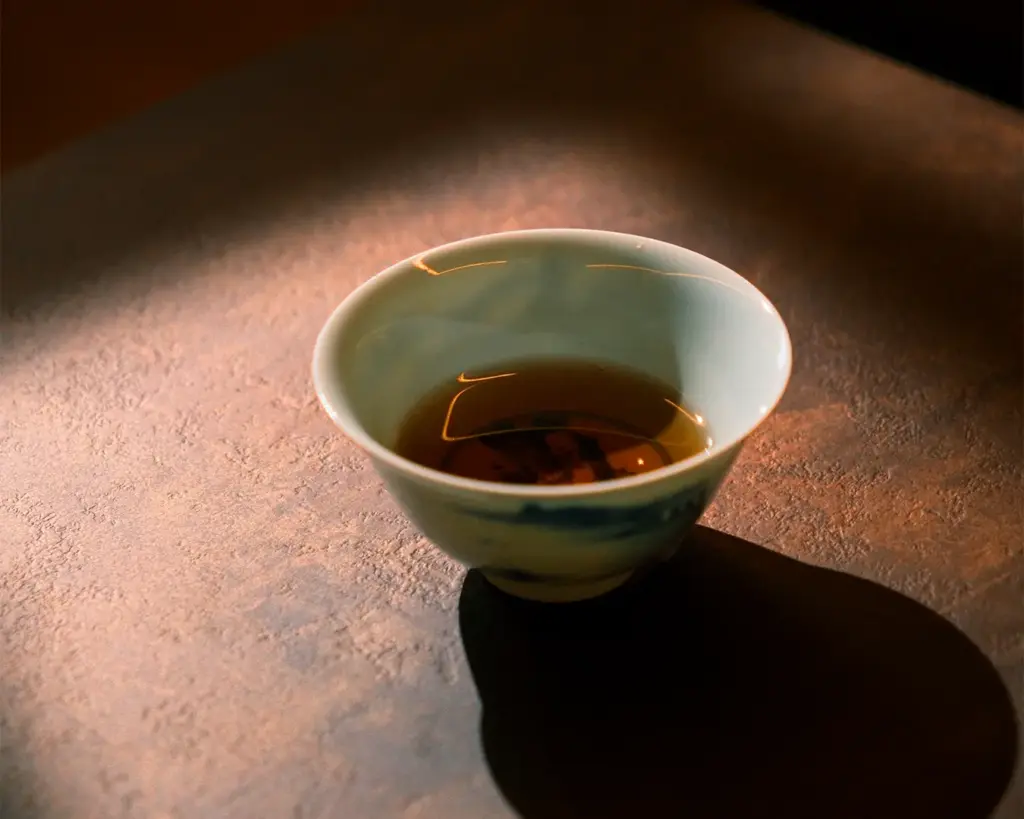
For readers looking for a chinese tea house in Singapore, the real question is not whether the room is quiet, private, or luxurious. Plenty of places can deliver those basics. The better question is whether the experience is built on something genuinely difficult to replicate.
The room’s strongest appeal is not that it feels exclusive. It is that the exclusivity seems to emerge from actual constraints: direct sourcing, selective relationships, finite tea lots, deliberate curation, and a teaware philosophy that goes beyond styling.
That makes Tea Room by Ki-setsu less interesting as a trend piece and more interesting as an editorial subject. It represents a kind of rarity that does not rely on spectacle. It relies on the quiet confidence of knowing that some things remain special because they were never
Final Thoughts
Tea Room by Ki-setsu works best when understood not as a secret hideaway or a polished wellness escape, but as a place built around selective access and careful attention. The privacy is part of the frame, but it is not the whole picture. What really gives the room its identity is the sense that both the teas and the teaware have been gathered with patience, knowledge, and a willingness to stay small.
In a city full of places designed to impress quickly, that slower kind of confidence feels surprisingly rare.
Explore more destination-led food stories at Wander Bites.