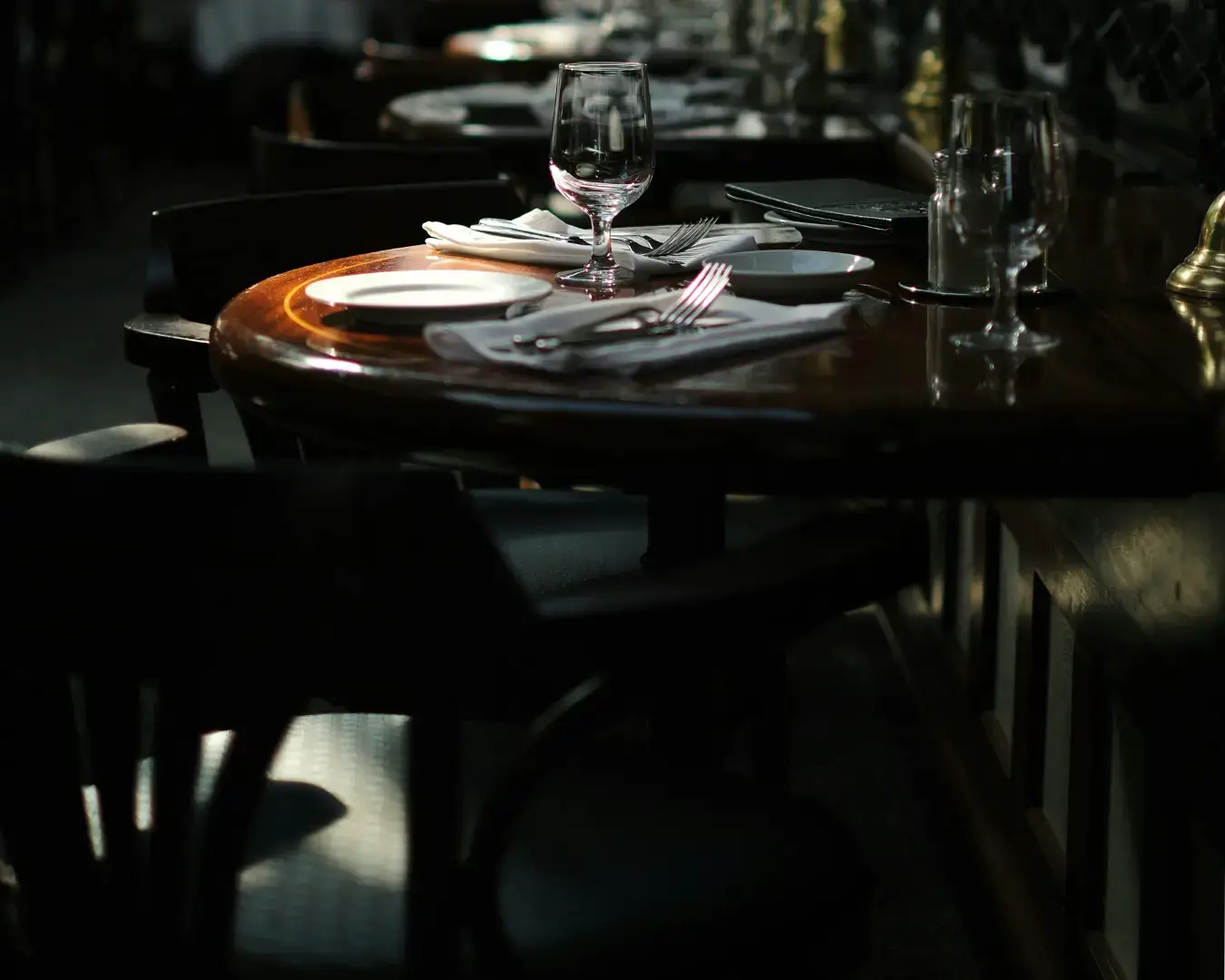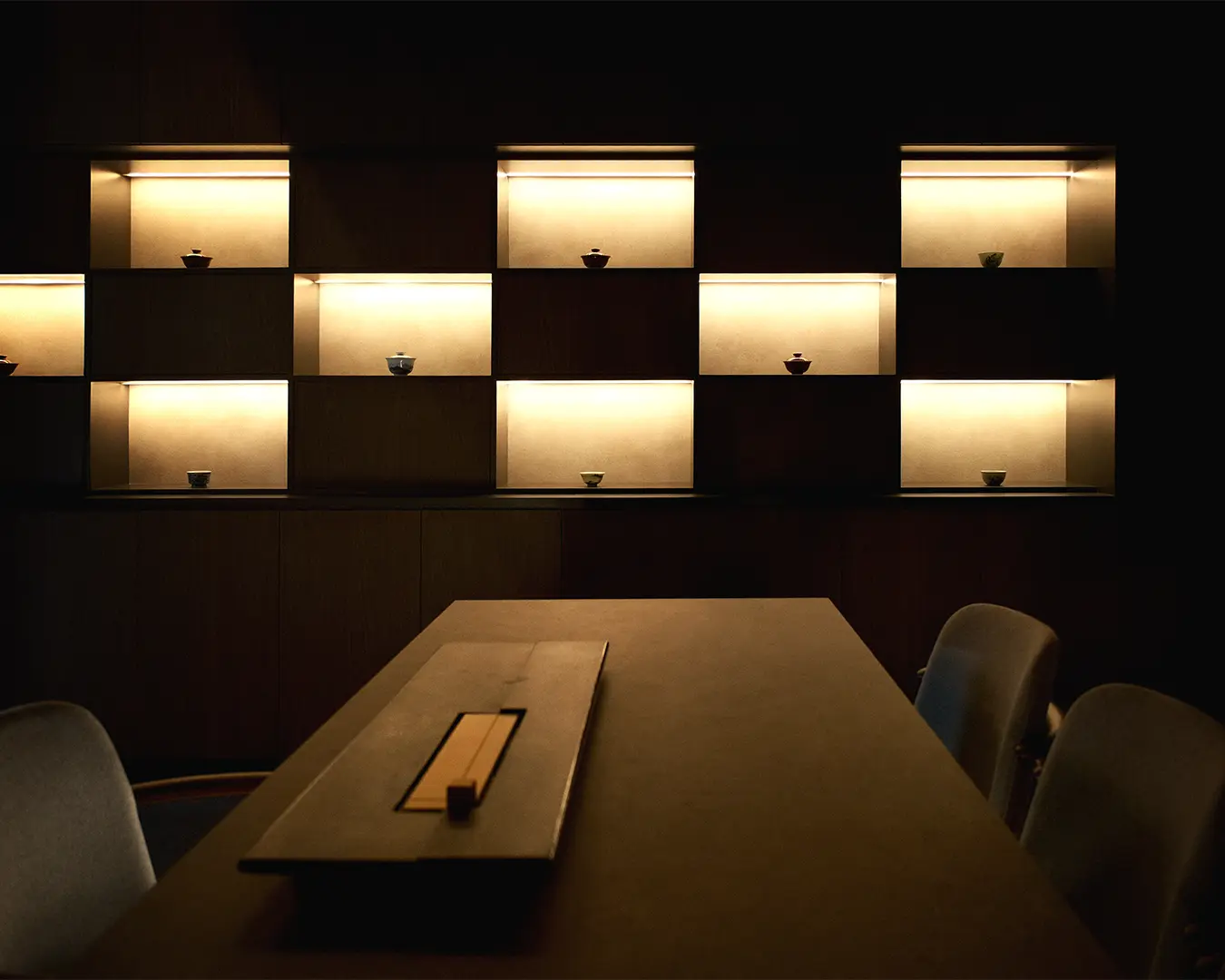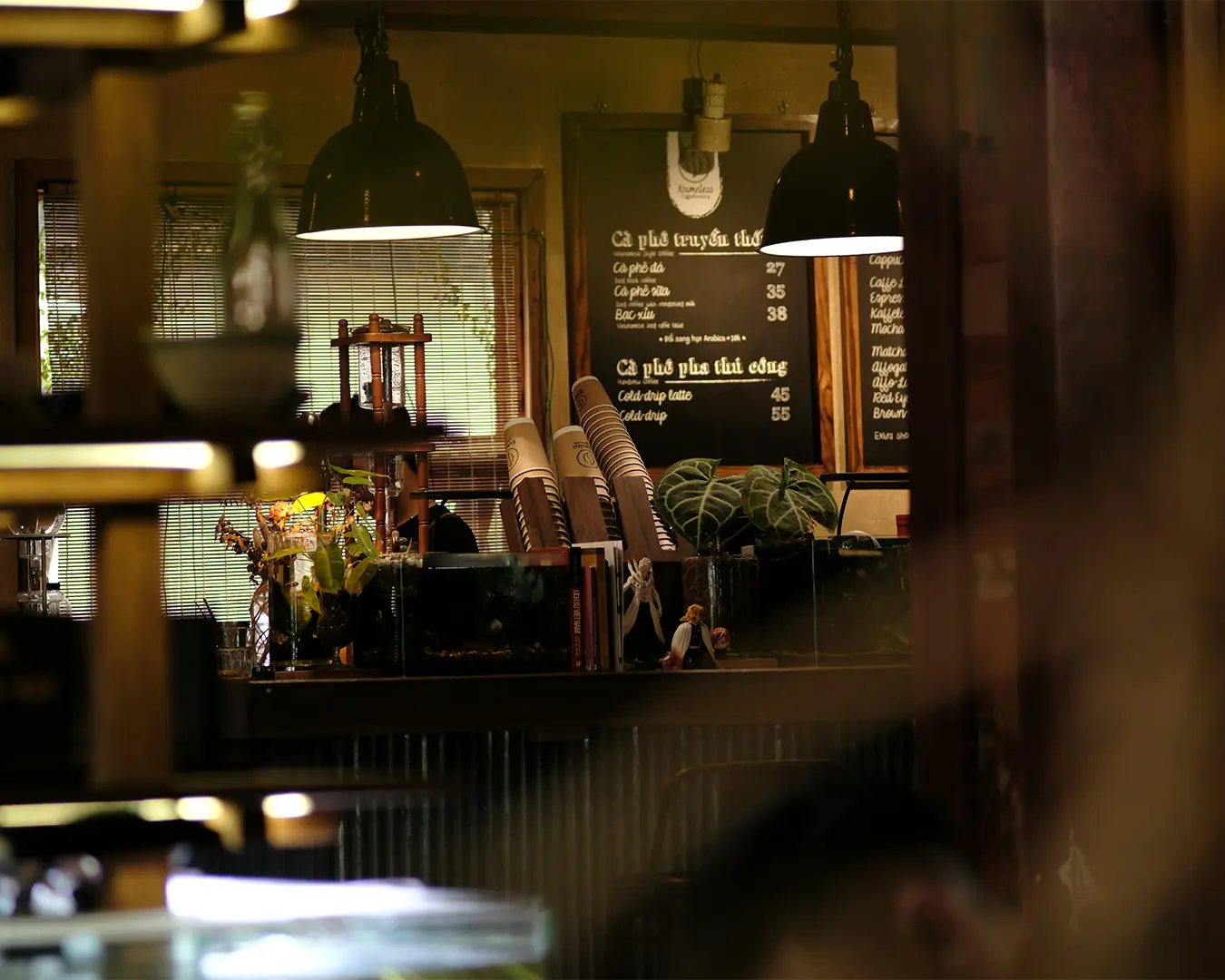
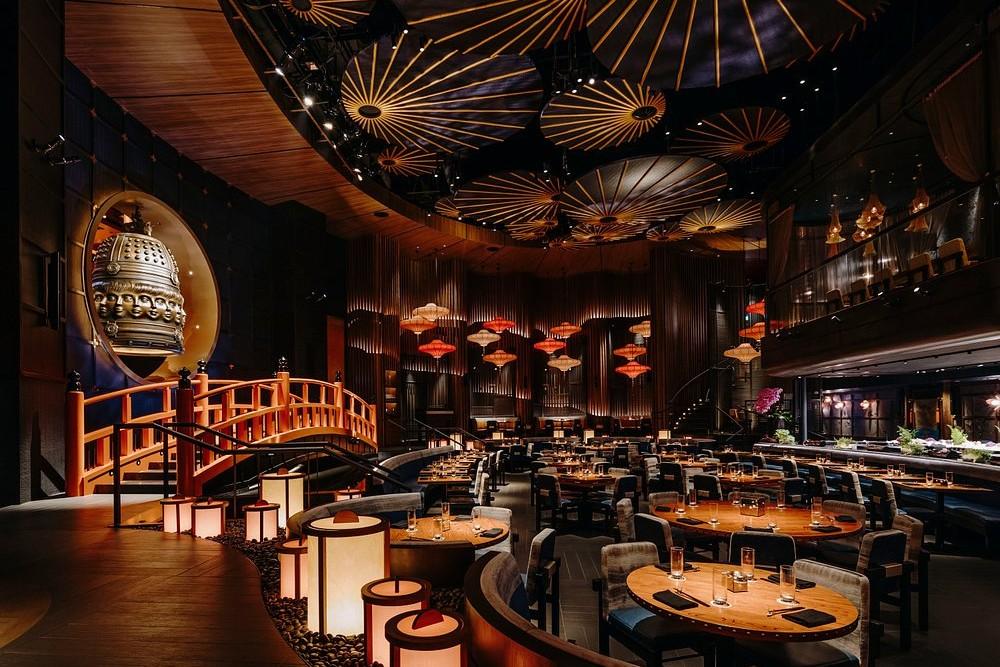
There is a specific kind of nervous energy that hits you right before a meal you’ve been dreaming about for months. It’s a mix of hunger, anticipation, and the quiet hope that the reality will match the fantasy. Standing outside the understated entrance of my first Michelin-starred destination in Singapore, I felt exactly that. I had traveled thousands of miles not just to see the Gardens by the Bay, but to taste the city itself.
Singapore has firmly established itself as a heavyweight in the global culinary arena since the Michelin Guide launched its inaugural local edition in 2016. What makes Singapore culinary tourism so compelling isn’t just the high concentration of stars; it’s the sheer diversity. Here, a three-star French dining room exists in the same ecosystem as a one-star hawker stall selling chicken rice for a few dollars. Before my journey, I explored exclusive interviews with Singapore’s Michelin-starred chefs, uncovering the passion and philosophy that would later transform each dining experience from a simple meal into a lasting memory.
Understanding Singapore's Unique Michelin Landscape
To truly appreciate Michelin-starred dining Singapore, you have to understand that the rulebook here is different. In most cities, the term “Michelin star” conjures images of white tablecloths, hushed tones, and bills that require a deep breath before signing. While Singapore certainly offers that level of opulence, it also democratized the guide in a way few other places have.
When the Red Guide arrived in 2016, it made headlines globally by awarding stars to street food vendors. This recognition validated what locals have known for generations: culinary excellence isn’t defined by the thread count of the napkins, but by the mastery on the plate. Today, the landscape ranges from ultra-modern Nordic-Asian fusion to traditional Peranakan heritage cuisine.
This variety is the city’s superpower. You can enjoy a $400 tasting menu one night and a $5 noodle dish the next, both carrying the same prestigious seal of approval. As revealed in singaporebestrestaurant’s Singapore Michelin Chefs: Behind the Stars – Exclusive Interviews with Singapore’s Michelin-Starred Chefs article, the city’s culinary success stems from honoring heritage while embracing innovation—a philosophy that defines every starred restaurant. Whether you are sitting on a plastic stool or a velvet banquette, the dedication to craft remains the constant thread.
Decoding the Stars: What Each Level Means for Travelers
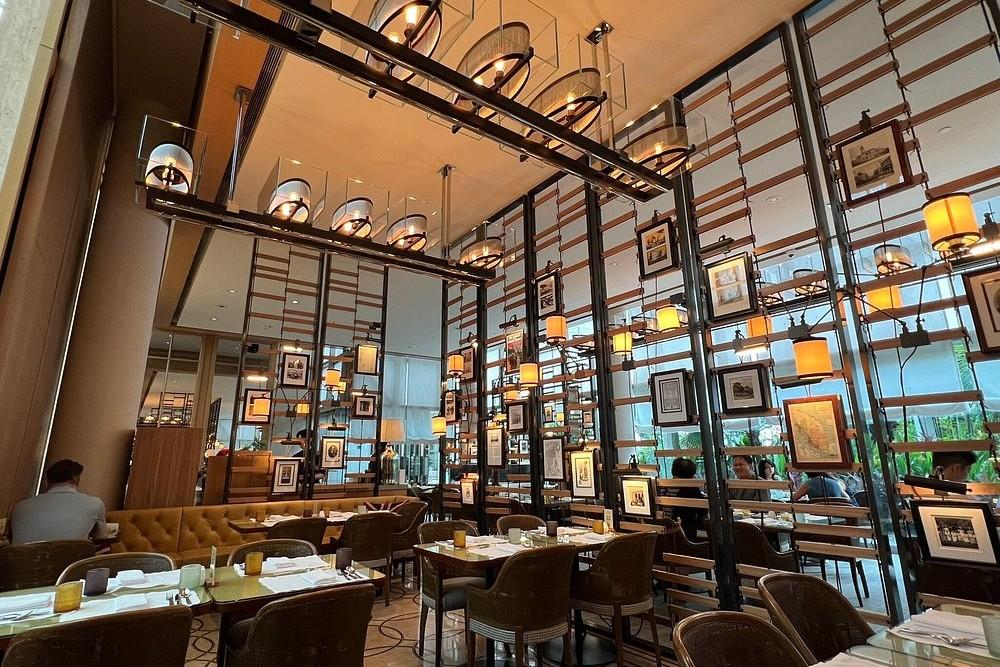
Navigating the best Michelin restaurants Singapore has to offer can be overwhelming if you don’t know what the stars actually signify for your travel itinerary. Michelin’s definitions are famously vague, but here is what they mean in practical terms for a visitor.
One Star: This denotes “high-quality cooking, worth a stop.” For a traveler, these are the backbone of your culinary itinerary. They are often more accessible, both in terms of reservations and price. In Singapore, this category is incredibly diverse, housing everything from elevated Cantonese dim sum houses to intimate modern Australian bistros. Expect excellent food, distinct personality, and often a more relaxed atmosphere than you might anticipate.
Two Stars: These restaurants offer “excellent cooking, worth a detour.” The leap from one to two stars is significant. Here, you begin to see a higher degree of refinement in service and wine programs. The personality of the chef becomes the central narrative of the meal. These are perfect for celebrating a milestone during your trip.
Three Stars: The pinnacle, signifying “exceptional cuisine, worth a special journey.” In Singapore, the three-star establishments are world-class destinations in their own right. They are theatrical, flawless, and immersive. A meal here isn’t just dinner; it is the main event of your day, often lasting three to four hours. If you plan to visit one, build your entire trip around that reservation.
Essential Booking and Visiting Tips for Travelers
The most common mistake travelers make is underestimating the demand. The Singapore fine dining guide is competitive, and reservations for top-tier venues open—and close—months in advance.
Timing Your Reservation: For three-star venues, look at the booking calendar 2-3 months out. For one and two-star spots, 3-4 weeks is usually sufficient, though weekends book faster. Set an alarm for when reservations go live (usually midnight Singapore time).
The Lunch Hack: If you want the Michelin experience without the heavy price tag, book lunch. Many top-tier restaurants offer lunch tasting menus that serve the same quality ingredients and technique at nearly half the price of dinner. It’s a fantastic way to sample more restaurants on a limited budget. Many chefs, in detailed interviews about their restaurants, emphasize that lunch service delivers identical culinary standards at significantly lower prices—insider knowledge that makes Michelin dining more accessible.
Dress Codes: Singapore is hot and humid, but don’t let that fool you into wearing shorts to dinner. Fine dining establishments strictly enforce “smart casual” or formal dress codes. For men, long trousers and covered shoes are non-negotiable. Pack a lightweight blazer just in case.
Dietary Needs: Singaporean chefs are generally accommodating, but notice is key. Mention allergies or restrictions at the time of booking, not when you sit down.
Tipping: Unlike in the West, tipping is not mandatory. A 10% service charge is automatically added to your bill at most restaurants. However, leaving a small cash tip for exceptional service is always appreciated.
Must-Try Michelin Experiences for Different Traveler Types
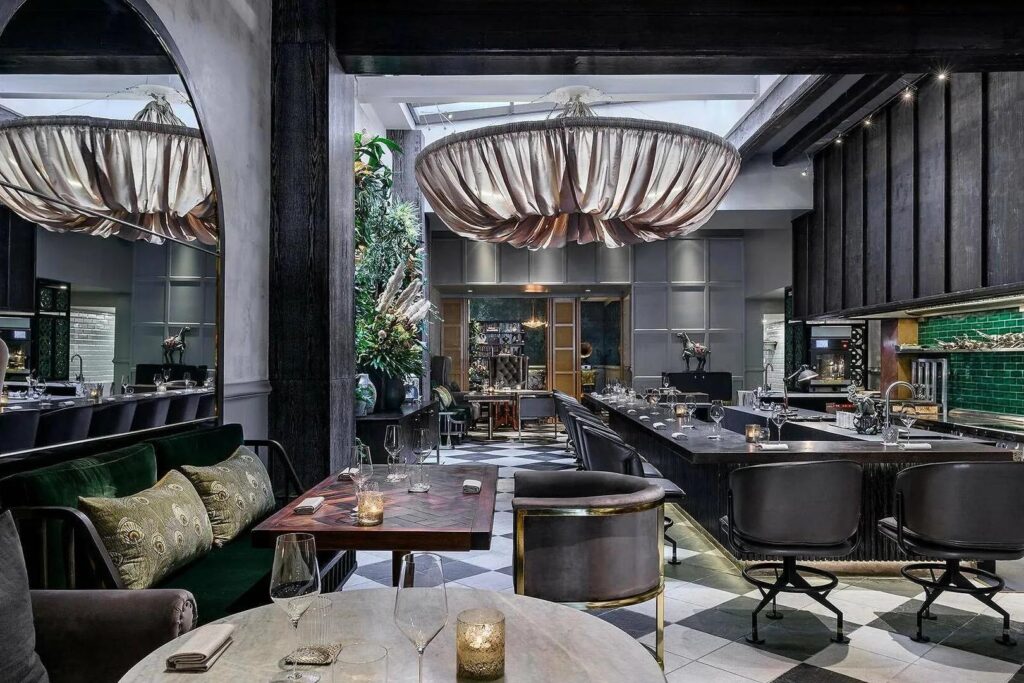
No Michelin Guide Singapore travel itinerary fits all. Here is how to match your dining to your travel style.
For the Fine Dining Purist:
If you crave classical precision, head to Les Amis or Odette. Les Amis is the temple of French haute cuisine in Asia, boasting one of the region’s most spectacular wine cellars. Odette, located in the National Gallery, offers a softer, more modern approach to French cuisine that feels light, floral, and deeply artistic.
For the Cultural Explorer:
You cannot leave without visiting a starred hawker stall. Hill Street Tai Hwa Pork Noodle is legendary for its bak chor mee (minced meat noodles). Be prepared to queue—sometimes for an hour or more—but the vinegar-laced, perfectly textured noodles are worth the wait in the humidity.
For the Adventurous Eater:
Look for Labyrinth. It redefines “Singaporean cuisine” by deconstructing local hawker classics and presenting them through a modern gastronomic lens. It’s challenging, fun, and deeply rooted in local terroir—perfect for those who want to taste the future of Singaporean food.
For the Special Occasion Seeker:
Zén offers a Nordic-Japanese experience that moves you through different floors of a shophouse for different courses. It is interactive, intimate, and undeniably special—ideal for an anniversary or celebration.
Conclusion: Beyond the Meal
Looking back on my trip, the meals I had were highlights, but they were also gateways. They connected me to the culture in a way that sightseeing never quite could. A Singapore Michelin restaurants tour isn’t just about eating expensive food; it is about witnessing the obsession with quality that permeates this island nation.
Whether you are slurping noodles on a plastic stool or slicing into pigeon at a white-clothed table, you are participating in Singapore’s national pastime. The stars are just signposts; the real joy is the journey between them. My advice? Book at least one “splurge” meal and commit to queueing for at least one hawker legend. Your palate will thank you. For those inspired to bring Southeast Asian flavors home, you may also enjoy The Secret to Authentic Thai Green Curry at Home.