
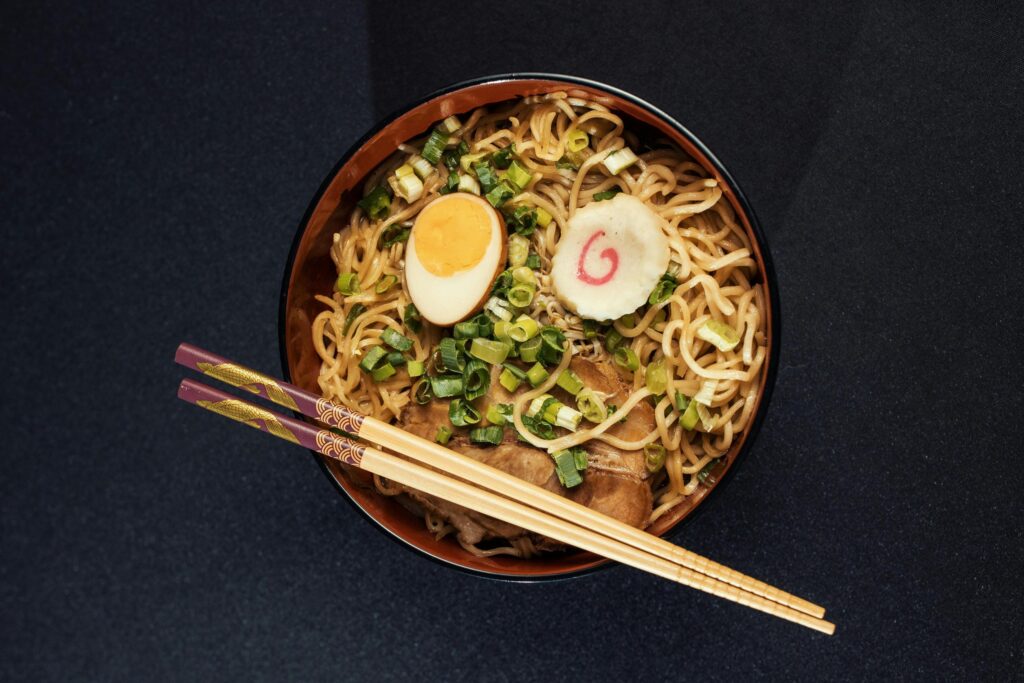
I remember the first time I tried to make “real” ramen at home. I’d just returned from Japan, still dreaming of silky tonkotsu ramen bowls from my favorite ramen shop. Armed with pork bones, fresh garlic, and blind optimism, I spent twelve hours over a large stock pot. The kitchen looked like a battlefield, and my “final broth” tasted… okay. Not bad, but nowhere near the luscious tonkotsu ramen broth I remembered.
That day, I learned: authentic ramen broth is a labor of love. Traditionally, it takes days of simmering chicken bones, pork fat, and aromatics to unlock its creamy texture and depth. But if you’re craving ramen noodle soup on a Wednesday night, you don’t have to surrender an entire weekend.
By using science, shortcuts, and clever Japanese techniques, you can craft a flavorful broth in a fraction of the time. This ramen recipe guide is your passport to quick ramen broth mastery.
A Bite-Sized History of Ramen Broth
Before diving into hacks, let’s slurp up a little history. Ramen noodle soup arrived in Japan in the late 19th century with Chinese immigrants alongside medicinal soups and various curries from different Asian regions.
. After World War II, cheap wheat flour imports fueled its boom, spawning regional legends like creamy tonkotsu broth in Fukuoka, thick soup curry in Hokkaido and miso-based ramen soup in Sapporo.
Today, a bowl of ramen is not just comfort food—it’s art, memory, and identity. From the silky pork flavor of Hakata tonkotsu ramen to the delicate balance of shoyu ramen, ramen broth is the canvas.
The Science of Ramen Broth Ingredients
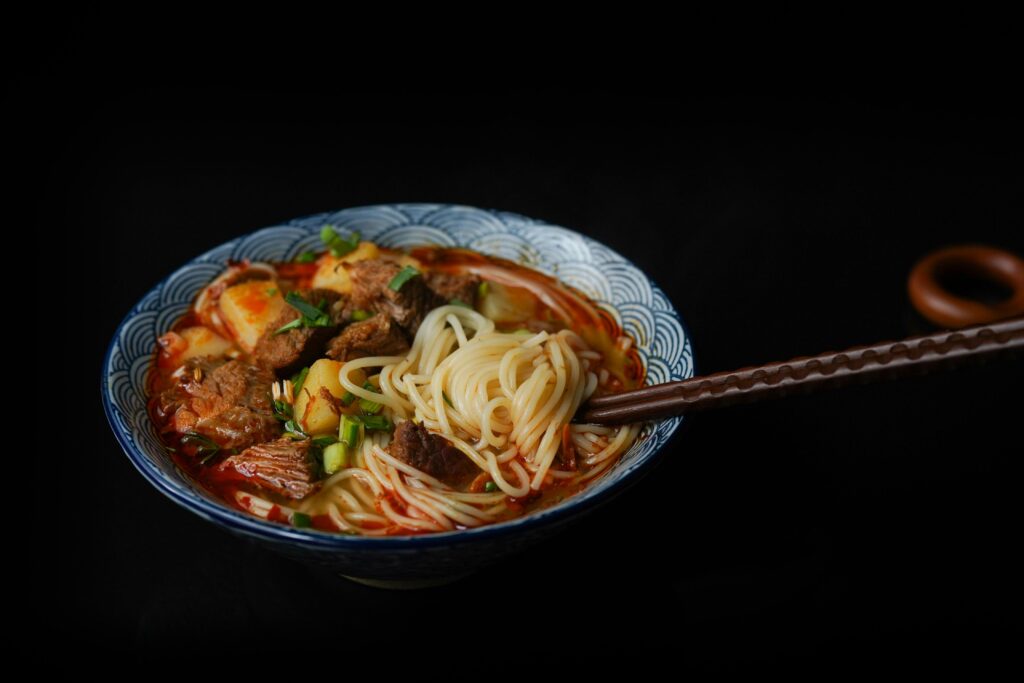
A quick ramen broth still needs to hit the three essential notes makes up the science of ramen soup irresistible:
:
- Umami: The savory backbone comes from kombu, shiitake mushrooms, bonito flakes, and fish sauce.
- Collagen & Fat: Pork leg bones, chicken carcass, or even duck fat release gelatin, giving broth its creamy texture.
- Aroma: Garlic and ginger, toasted sesame oil, chili oil, and green onions transform simple stock into a bowl that smells like heaven.
Seasoning is crucial for balance; kosher salt or Diamond Crystal kosher salt are preferred for their clean flavor and proper dissolution.
Traditional ramen shops coax this magic from a rolling boil and hours of patience. Many recipes call for simmering broth or aromatics over medium-high heat to develop depth of flavor. We’re going to pressure cook, infuse, and layer flavors to cheat time.
Pressure Cooker Ramen Broth Hack
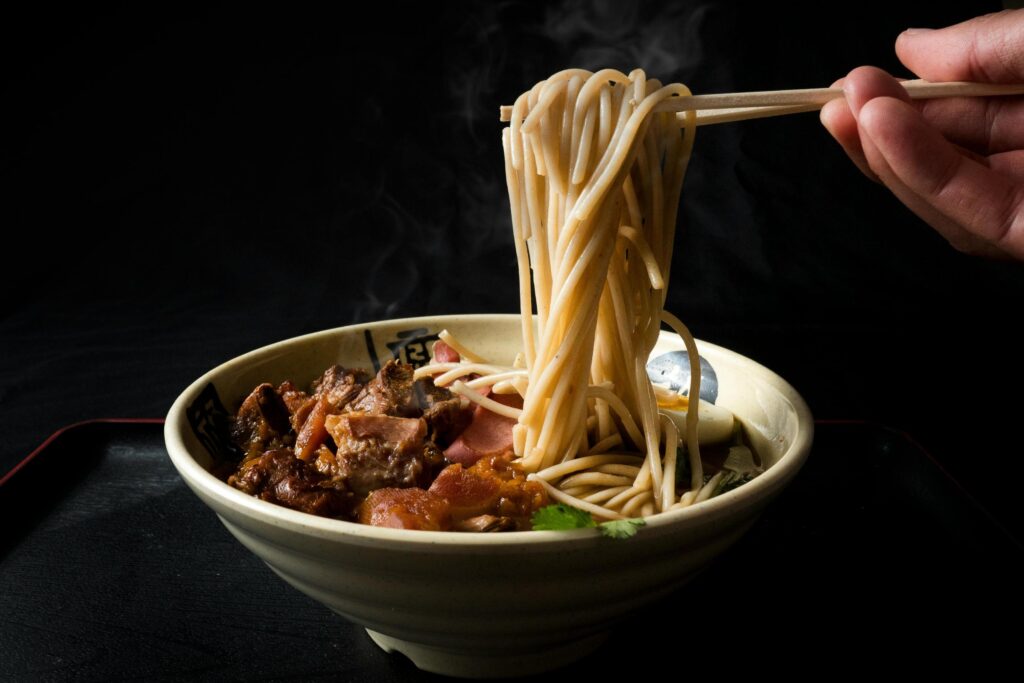
The pressure cooker (or instant pot) is the superhero of ramen broth hacks. By raising the boiling point, it extracts pork flavor, gelatin, and nutrients from pork bones and chicken bones in record time. What takes 12 hours in a large pot becomes 90 minutes of pressure cook sorcery.
The 90-Minute “Faux-nkotsu” Tonkotsu Broth
Ingredients:- 1 kg pork neck bones, trotters, or pork leg bones
- 500 g chicken backs, wings, or a chicken carcass
- 1 onion, halved
- 1 head fresh garlic, halved crosswise
- 2-inch ginger, sliced
- 2–3 green onions (white parts)
- Cold water
- Blanch the Bones: In a large stock pot, cover pork bones and chicken bones with cold water. Bring to a rolling boil for 10–15 minutes to remove scum. Drain, rinse.
- Pressure Cook: Transfer bones, onion, garlic and ginger into your pressure cooker. Add water to the max line.
- Cook: Pressure cook on high for 75–90 minutes.
- Strain: Use a fine mesh strainer to remove solids. For a creamier texture, blitz the cooled broth with an immersion blender.
Quick Ramen Broth with Chicken Stock
Sometimes you don’t even want 90 minutes. Enter the 20-Minute Double-Stock Miso Broth, a fast ramen recipe that layers chicken broth with a quick dashi. Ingredients:- 4 cups chicken stock (homemade or from your local grocery store)
- 4 cups dashi (kombu + dried shiitake mushrooms steeped in hot water, or instant dashi powder)
- 2–3 tbsp miso paste
- 1 tbsp mirin
- 1 tsp sesame oil
- Make Quick Dashi: Steep kombu and dried shiitake mushrooms in hot water 15–20 minutes. Remove solids.
- Combine Stocks: Mix chicken broth with dashi over medium heat.
- Temper Miso: Dissolve miso in a ladle of hot liquid, then whisk back into the pot.
- Finish: Add mirin and sesame oil. Do not bring to a boil—keep on medium low to protect miso’s aroma.
Alternative Broths for Every Craving
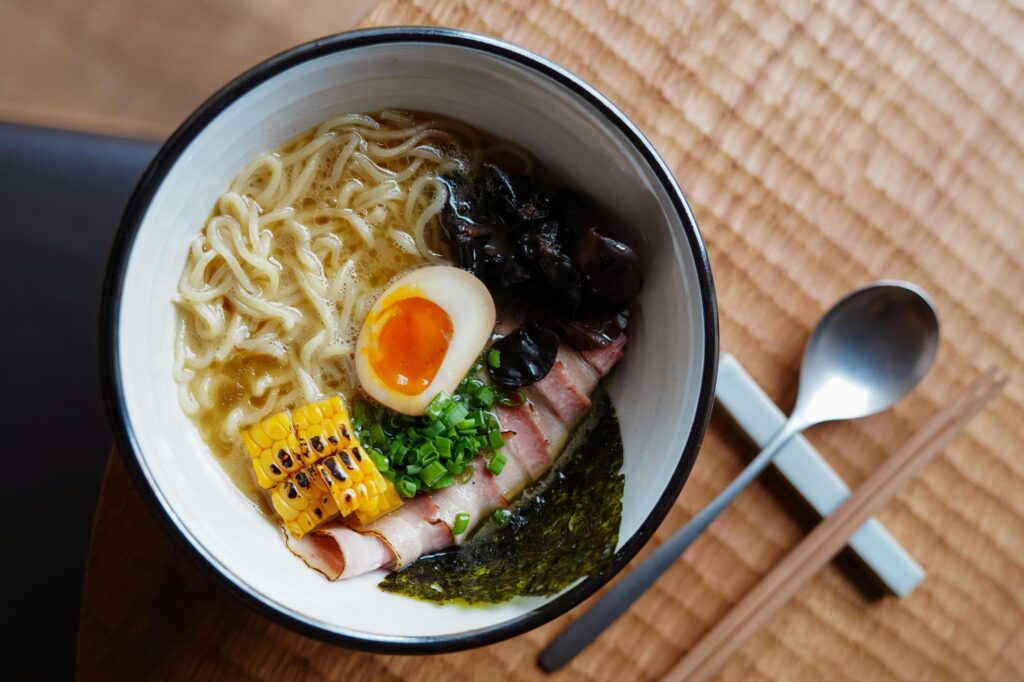
When it comes to ramen, the broth is the soul of the bowl. While the legendary tonkotsu ramen broth and classic shoyu ramen are hard to beat, there’s a whole world of alternative broths waiting to be explored—each one offering a unique twist on your ramen noodle soup experience.
Craving something lighter? A chicken broth-based ramen is your go-to. Simmer chicken bones with a handful of shiitake mushrooms, fresh green onions, and a splash of soy sauce for a clear, golden broth that’s both comforting and full of depth. This style is perfect for those who want a delicate yet flavorful soup, and it’s easy to build in a pressure cooker or instant pot for a quick weeknight fix. Looking for richness? Try a beef broth ramen. Simmer beef bones with broth ingredients like garlic, ginger, and a drizzle of sesame oil. Add a dash of chili oil or a few drops of fish sauce to amp up the umami. The result is a hearty, savory ramen broth that stands up to bold toppings and thick ramen noodles. Vegetarian or vegan? Don’t worry—ramen’s got you covered. A vegetable broth made with shiitake mushrooms, carrots, and kombu creates a light yet deeply savory base. Boost the flavor with soy sauce, toasted sesame oil, and a sprinkle of green onions. This broth is proof that you don’t need pork bones to achieve a satisfying ramen bowl. Feeling adventurous? Dive into seafood ramen. Simmer shrimp shells, scallops, or white fish with kombu and a generous handful of bonito flakes for a briny, ocean-inspired broth. A touch of fish sauce and a swirl of chili oil can take your ramen shop dreams to the next level. Craving heat? Spicy miso broth is your answer. Whisk miso paste, soy sauce, and chili oil into a base of chicken broth or vegetable stock. The result is a bold, spicy, and deeply satisfying ramen soup that’s perfect for chilly nights. No matter which broth you choose, the key is layering flavors and using quality ingredients. Whether you’re simmering in a large pot or letting your instant pot do the heavy lifting, don’t forget to finish your ramen bowls with classic toppings—soft boiled egg, sliced pork, green onions, and a sprinkle of sesame seeds. With so many broth options, every ramen night can be a new adventure, and your kitchen just might become your favorite ramen shop.The Secret Weapons of Any Bowl of Ramen
Shoyu Tare
The soul of shoyu ramen and the key to seasoning any broth. Shortcut Shoyu Tare:- ½ cup soy sauce
- ¼ cup mirin
- 2 tbsp sake
- 1–2 tsp diamond crystal kosher salt (or kosher salt)
- Optional: kombu or dried shiitake mushrooms
Aroma Oils
- Garlic and ginger oil: simmer minced garlic and sliced scallions in neutral oil until golden brown.
- Chili oil: spicy rayu with sesame seeds is a ramen shop classic.
- Toasted sesame oil: adds warm nuttiness.
Ramen Noodles, Toppings, and the Art of Assembly
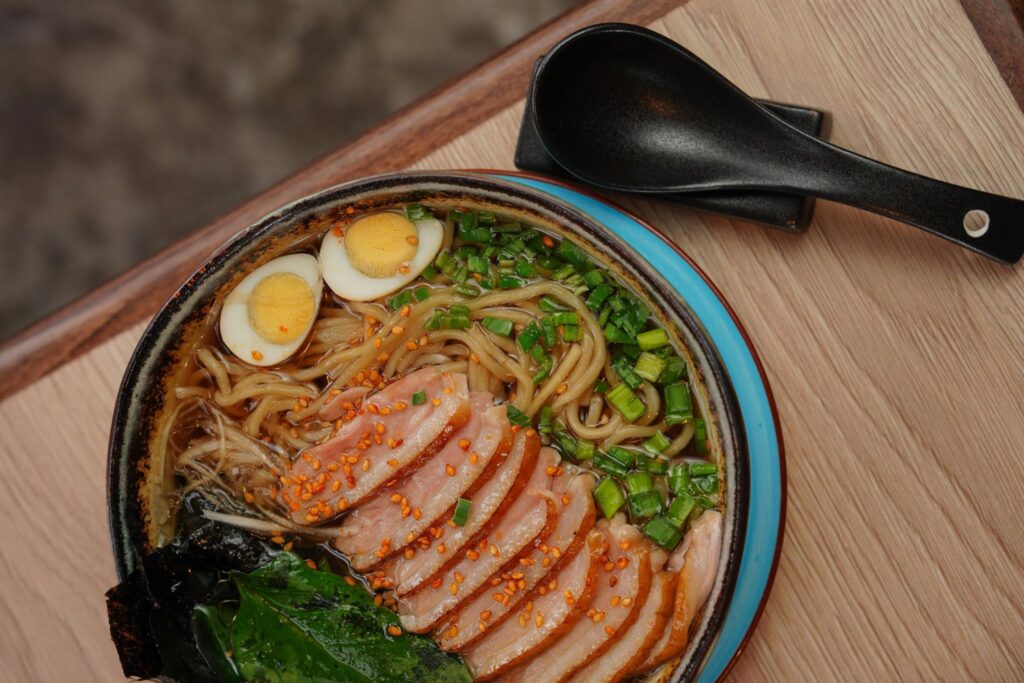
A flavorful broth deserves the right noodles and toppings.
- Noodles: Skip instant noodles with their flavor packet. Instead, cook noodles separately in boiling water. Fresh ramen noodles from an Asian grocery store are ideal, but high-quality dried work too. Cook noodles only 2–4 minutes to keep them springy. Once cooked, drain the cooked noodles and set aside until ready to assemble.
- Toppings: Build layers of flavor and color. Classic ramen eggs (ajitsuke tamago) with soft boiled egg centers, thinly sliced chashu pork, sliced scallions, bean sprouts, or sheets of nori transform your serving bowl into a masterpiece. To prepare a soft boiled egg, boil water, gently lower the eggs in, cook to your desired doneness, then cool in ice water for easy peeling. Divide the cooked noodles among serving bowls, ladle in the hot broth, and arrange your toppings. Sprinkle sesame seeds or a dash of white pepper for extra flair.
Common Ramen Recipe Mistakes to Avoid
- Boiling miso: kills flavor. Keep on medium heat.
- Cooking noodles in the broth: makes soup starchy. Always cook noodles in a separate pot.
- Skipping tare: broth ingredients alone won’t season your ramen soup. Add tare to the serving bowl before ladling in the hot broth.
- Overloading toppings: a bowl of ramen thrives on balance, not chaos.
Eat Ramen Like a Pro
When you finally serve immediately, prepare your favorite accessories for eating ramen, such as proper bowls, chopsticks, and spoons, to enhance the experience. Lean in, slurp loudly, and eat ramen with joy. That’s how you honor the craft—even if your broth only simmered 90 minutes in an instant pot instead of 18 hours in a ramen shop.
Final Thoughts: Ramen Hacks That Actually Work
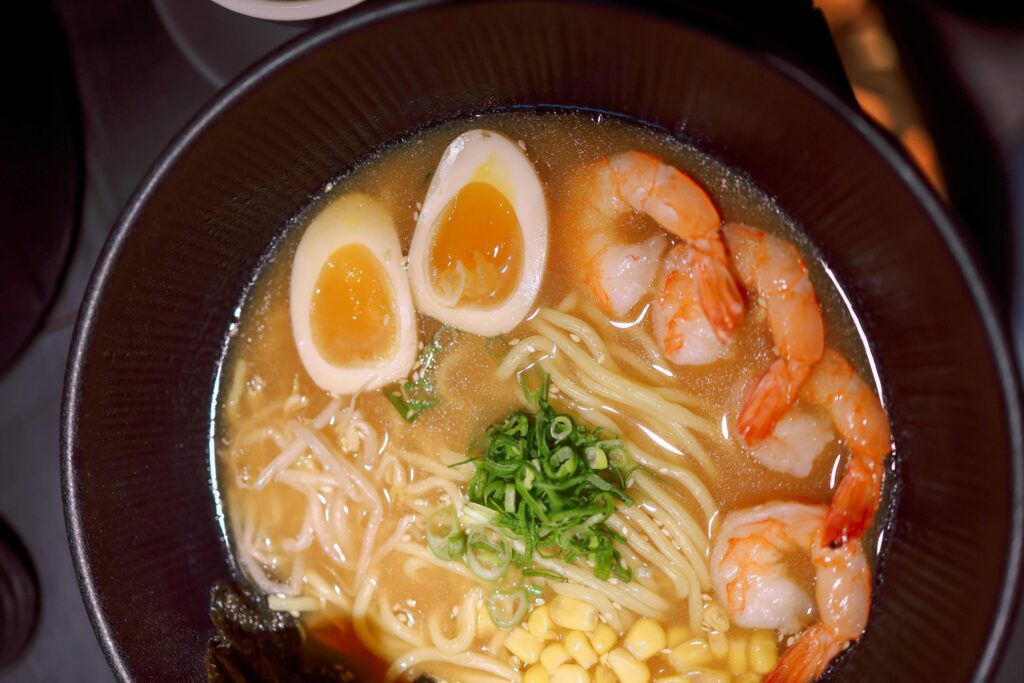
Making ramen noodle soup at home doesn’t have to mean lost weekends and towering dirty dishes. With pork broth shortcuts, chicken broth layering, and a trusty pressure cooker, you can create a flavorful soup with creamy texture in a fraction of the time.
So roll up your sleeves, grab pork bones, shiitake mushrooms, and your large pot—or instant ramen if that’s all you’ve got. Experiment with shoyu tare, chili oil, and ramen eggs. Build bowls that rival your favorite ramen shop. Because the truth is, your next unforgettable bowl of ramen is just a few clever hacks away.