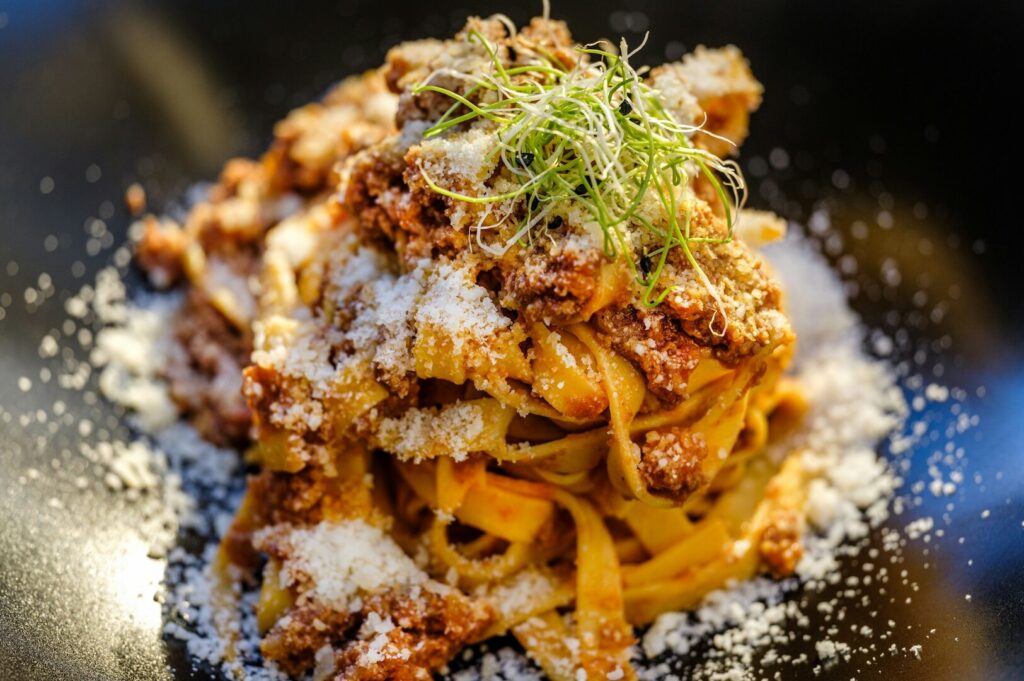
I once thought I knew pasta. Then I went to Italy. My first real taste of this humbling education was in a small, family-run trattoria in Bologna. I ordered the tagliatelle al ragù, expecting the familiar spaghetti with meat sauce I grew up with. What arrived was a revelation: silken, golden ribbons of fresh egg pasta, made from hand rolled pasta dough using wheat flour and eggs, coated in a rich meat ragù that clung to every strand. It wasn’t just food; it was a story on a plate, a taste of history and culinary heritage. It was the most authentic pasta I had ever eaten, truly memorable and like eating at home. That meal ignited a pilgrimage, a quest to understand why a dish so simple could be so profoundly different from one town to the next.
Why Pasta Is Never “Just Pasta” in Italy: A Culinary Heritage
The dramatic variation in pasta across Italy is a direct reflection of the country’s history and geography. Before Italy was unified in 1861, it was a collection of city-states, kingdoms, and duchies, each developing its own distinct culture. This fierce local pride, known as campanilismo (a loyalty to one’s own bell tower, an Italian word), is still alive and well in the kitchen.
The divide is most apparent between northern Italy and southern Italy.
Northern Italy: Historically wealthier and with a cooler climate suitable for raising livestock and growing soft wheat, northern Italy is the home of fresh egg pasta (pasta alla fresca). Think of the delicate, golden doughs of Emilia Romagna, rolled thin and transformed into fresh tagliatelle, agnolotti del plin, ravioli, and gnocchi, often made with potatoes, which are a staple in many northern regions. These pasta doughs are typically made from flour, eggs, and water, hand rolled to create thin pasta that is perfect for rich meat sauces and light broths. In central Italy, a specialty is spaghetti alla chitarra, known for its unique square shape and traditional preparation using a chitarra tool.
Southern Italy: The hot, arid climate of the south is perfect for growing durum wheat. This hard wheat, when milled into semolina flour and mixed with just water, creates a sturdy dough that can be extruded into myriad shapes and dried, creating pasta secca. This tradition gave the world shapes like spaghetti, penne, rigatoni, and orecchiette (little ears), designed to be preserved and pair perfectly with the region’s vibrant tomato sauces, simple tomato sauce, olive oil, seafood, and chunky sauces like wild boar ragù. Tomatoes are a key ingredient in many southern Italian pasta dishes, contributing to their distinctive flavor and authenticity.
A Pilgrim’s Guide to Regional Italian Pasta and Italian Food Specialties from North to South
The air in the Peloponnese during autumn carries a scent you’ll never forget—damp earth, woodsmoke, and the sharp, green fragrance of freshly crushed olives. This is the season of the Greek olive harvest, or liomazoma. Families, friends, and neighbors gather to collect the fruit that has sustained them for millennia, with olives carefully harvested using traditional, artisanal methods passed down through generations. Joining in isn’t just another holiday activity—it’s a hands-on dive into olive culture, a celebration of rural Greek life, and your chance to discover how the world’s most beloved olive oil comes to life.
Imagine yourself in a grove of centuries-old trees, their silver-green leaves shimmering against a clear blue sky. Nets stretch beneath the branches, harvesters gently rake the fruit free, and laughter mixes with the sound of olives dropping like rain. This is not a show you watch—it’s a really immersive food experience, deeply rooted in the country’s culture and traditions, where you become part of the olive’s journey from tree to table.
The Roots of Olive Groves and Greek Olive Oil
The story of the olive in Greece is older than many myths. Cultivation here dates back more than 6,000 years. For the ancient Greeks, the olive tree was Athena’s sacred gift—symbolizing peace, wisdom, and prosperity. Its oil lit lamps, healed wounds, flavored food, and crowned Olympic champions. Today, the olive groves stretch across the Peloponnese in a patchwork of green, especially in Kalamata, Messinia, and Laconia. The region features centuries-old olive groves, highlighting the historical and cultural significance of its longstanding agricultural traditions. Small-scale producers maintain groves where olive trees dot the hillsides, often passed down as part of each family’s own farming tradition. Visiting during harvest season means stepping into an unbroken chain of culinary traditions that link the modern Peloponnese agritourism scene with the rituals of ancient Greece.
Timing the Olive Harvest
The traditional olive harvest in Greece runs from late October through January, with each stage offering its own flavor adventure:
- Early Harvest (October–November): Farmers carefully pick unripe olives to produce agourelaio, a vivid green extra virgin olive oil bursting with grassy notes, peppery spice, and antioxidants.
- Main Harvest (November–December): The busiest period, when olives ripen and the oil smooths out into liquid gold.
- Late Harvest (January): The season closes with larger yields, softer flavors, and slightly higher acidity.
For visitors, November is often perfect: cooler temperatures, buzzing groves, and an atmosphere of celebration. After the olives are harvested, the fresh olive oil is typically ready to be tasted within a few weeks.
A Day in the Olive Groves
Joining the olive harvest means rolling up your sleeves. The day begins in a traditional olive grove, a setting rich in cultural heritage and local history. Nets are spread under the olive trees, followed by the rhythmic combing of branches using simple wooden poles or modern electric rakes. Rural women, men, and children all lend a hand. Once the nets are full, olives are gathered, sorted by hand, and packed into burlap sacks. It’s repetitive, physical, and surprisingly fun. Between trees, you’ll share jokes, sneak bites of mouth-watering local produce, and maybe even sip a little wine. By the time the sun dips behind the stunning mountains, you’ll feel like part of a timeless tradition.
Traditional Olive Harvest vs Modern Tools
Our journey begins in central Italy and winds its way down to the sun-baked shores of Sicily.
Emilia Romagna: The Rich Heart of Fresh Pasta and Agnolotti del Plin
Known as the “breadbasket of Italy,” Emilia Romagna is the undisputed capital of fresh egg pasta and traditional pasta recipes. This is where pasta-making is a revered art form, passed down by the sfogline, the skilled women who roll pasta by hand.
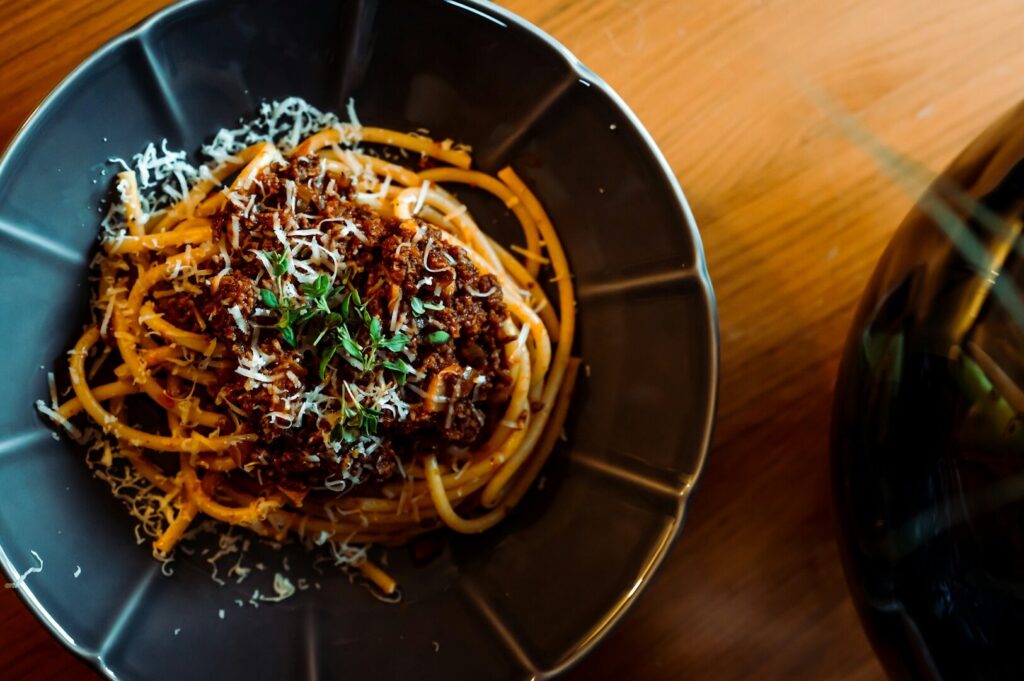
Tagliatelle al Ragù (Bologna): This is the real “spaghetti Bolognese.” Silky fresh tagliatelle, made from wheat flour and eggs and rolled thin, is the perfect vehicle for a true meat ragù, a slow-cooked rich meat sauce of mixed meats (often beef and pork), soffritto, wine, and a touch of milk or cream. The sauce clings beautifully to the pasta, delivering more sauce with every bite.
Agnolotti del Plin (Piedmont/Emilia Romagna): Tiny, pinched pasta parcels filled with savory meat and greens, traditionally served with butter and sage or a light broth. These hand rolled pasta shapes are a perfect example of regional Italian pasta artistry.
Lasagne alla Bolognese (Bologna): Layers of delicate spinach-pasta sheets are baked with ragù, creamy béchamel sauce, and Parmigiano Reggiano. It’s a world away from the heavy, ricotta-laden versions found elsewhere.
Where to Experience It: For a truly authentic meal, visit Trattoria da Me in Bologna, where you can taste the love in every bite. For a hands-on experience, consider a pasta-making class with a local sfoglina.
Lazio: Bold Italian Food Flavors and the Iconic Cacio e Pepe
The cuisine of Rome and its surrounding region, Lazio, is bold, rustic, and deeply satisfying. Here, simple ingredients are transformed into powerful, iconic dishes. This is the land of pecorino cheese and guanciale (cured pork jowl).
Cacio e Pepe (Rome): The ultimate minimalist masterpiece. It contains just three ingredients: thin pasta (usually tonnarelli or spaghetti), pecorino cheese, and black pepper. The magic lies in creating a creamy, emulsified sauce using the starchy pasta water, a dish traditionally served at the dinner table to great acclaim.
Carbonara (Rome): Another Roman icon. The creamy sauce is made from raw eggs, pecorino, and abundant black pepper, tossed with hot pasta and crispy guanciale. Authentic carbonara never, ever contains cream.
Amatriciana (Rome/Amatrice): A robust tomato sauce enriched with guanciale and a kick of chili, traditionally served with bucatini (a thick, hollow spaghetti).
Where to Experience It: Head to Roscioli Salumeria con Cucina for an exceptional carbonara or try Felice a Testaccio for a classic cacio e pepe that is famously finished at your table.
Campania and Central Italy: The Birthplace of Dried Pasta and Good Food
The region around Naples, particularly the town of Gragnano, is considered the birthplace of commercial dried pasta production. The sea breezes and sunny hills provided the perfect natural conditions for air-drying pasta made from semolina flour.
Spaghetti alle Vongole (Naples): A simple, elegant dish that tastes of the sea. Spaghetti is tossed with tiny, sweet clams, garlic, white wine, chili, and parsley, all brought together with olive oil.
Pasta al Ragù Napoletano (Naples): Unlike Bolognese ragù, the Neapolitan version is a rich, tomato-based sauce where large cuts of meat are simmered for hours until meltingly tender. The meat is often served as a second course, with the pasta dressed in the deeply flavorful sauce.
Where to Experience It: Any seaside trattoria in Naples will serve a fantastic spaghetti alle vongole. For an immersive experience, a day trip to Gragnano allows you to visit historic pasta factories and see traditional pasta drying techniques.
Puglia: The Land of Hand-Formed Pasta and Cime di Rapa
In the “heel” of Italy’s boot, you’ll find a tradition of beautiful, hand-formed pasta shapes made from durum wheat and water.
Orecchiette con le Cime di Rapa (Bari): The signature dish of Puglia. “Little ears” of pasta are perfectly shaped to cup the slightly bitter, garlicky sauce made from cime di rapa (turnip greens), also known as broccoli rabe. It’s a true taste of rustic, regional Italian food that is typically served with a drizzle of olive oil.
Cavatelli con le Cozze (Taranto): Small, shell-like pasta shapes are paired with fresh mussels in a light tomato and garlic sauce.
Where to Experience It: In the old town of Bari (Bari Vecchia), you can see local women sitting outside their homes, expertly shaping orecchiette by hand. You can even buy a bag to take home.
Sicily: An Island of Intense Flavors and Pasta alla Norma
Sicilian cuisine is a vibrant tapestry woven from the threads of its many historical conquerors—Greek, Arab, Norman, and Spanish influences are all present.
Pasta alla Norma (Catania): A tribute to Catania’s most famous son, the composer Vincenzo Bellini. This dish features pasta (often macaroni or twisted pasta) tossed with a rich tomato sauce, fried eggplant, salted ricotta (ricotta salata), and fresh basil.
Pasta con le Sarde (Palermo): A truly unique dish that embodies Sicily’s Arab-influenced cuisine. It’s a complex, sweet-and-savory mix of fresh sardines, wild fennel, pine nuts, raisins, and saffron, typically served with bucatini.
Pasta with Shaved Truffles (Sicily and Northern Italy): In some northern regions, fresh pasta dishes are elevated with the addition of shaved truffles, adding an earthy luxury to traditional food.
Where to Experience It: Trattoria La Pentolaccia in Catania is renowned for its Pasta alla Norma. For an adventure, visit a bustling fish market in Palermo to see the fresh sardines destined for this iconic dish.
Tips for Your Pasta Pilgrimage: From Northern Italy to Southern Italy, Enjoy Good Food and Italian Culinary Heritage
-
Eat Locally: Order the regional specialty. Don’t look for carbonara in Bologna or tagliatelle al ragù in Sicily. Trust the local traditions.
-
Look for “Fatto a Mano”: This means “made by hand” and is a sign of fresh, high-quality pasta dough and traditional pasta shapes.
-
Pasta Is a First Course: In Italy, pasta is a primo, or first course, served in a smaller portion than what many are used to. This leaves room for the secondo (meat or fish course).
-
No Extra Cheese, Please: Trust the chef. If a dish arrives without grated cheese on the side (especially seafood pastas), it’s for a reason. Don’t ask for it.
-
Plan a Themed Trip: Focus your culinary travel on one or two regions to fully appreciate their unique offerings without rushing.
Your Journey Awaits: A Regional Guide to Pasta alla Italian Food from North to South
A pasta pilgrimage through Italy is more than just a culinary vacation; it’s a journey into the heart of Italian culture. It’s about understanding that a simple dish of flour and water (or eggs) can tell a profound story about a place and its people. It’s a path paved with unforgettable flavors, warm hospitality, and the joy of discovery.
So, pack your fork and your appetite. Choose a region, book a table at a local trattoria, and prepare to be humbled and amazed. What regional Italian pasta dish are you most excited to try? Share your dream pasta destination in the comments below!